

Range hood--period kitchen
15 years ago
Sort by:Oldest
Comments (7)
Related Stories
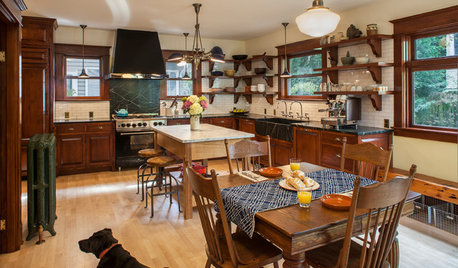
KITCHEN DESIGNKitchen of the Week: Period Details Keep History Alive in Portland
Modern functionality and doubled square footage bring a 1910 kitchen into the present while respecting its past
Full Story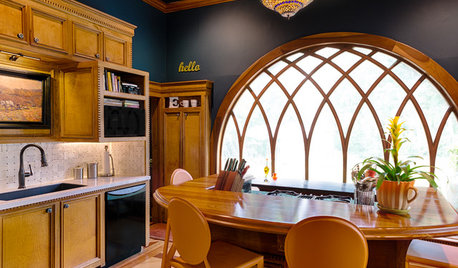
KITCHEN DESIGNKitchen of the Week: Preserving Period Charm in Atlanta
Additions and updates to this kitchen respect the past while meeting the owner's needs in the present
Full Story
KITCHEN APPLIANCESWhat to Consider When Adding a Range Hood
Get to know the types, styles and why you may want to skip a hood altogether
Full Story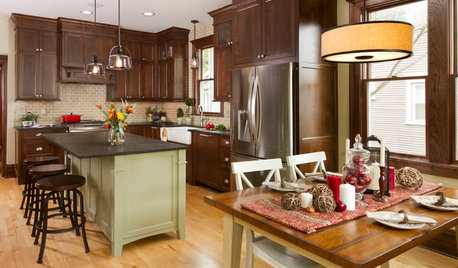
KITCHEN MAKEOVERSRoom of the Day: A Period-Appropriate Kitchen for a Tricky Style
Restoring a kitchen in a Minnesota Foursquare uncovers secrets and captures the spirit of the original
Full Story
SHOP HOUZZShop Houzz: Up to 60% Off Range Hoods and Kitchen Appliances
Update your kitchen with a new stove, range hood and wine fridge
Full Story0
5 Stunning Modern Range Hoods
Today's kitchen range hoods can look like sleek sculptures. Here's what to look for when you go shopping for one
Full Story
KITCHEN DESIGNWood Range Hoods Naturally Fit Kitchen Style
Bring warmth and beauty into the heart of your home with a range hood crafted from nature's bounty
Full Story
SHOP HOUZZShop Houzz: Bestselling Range Hoods and Vents
Shop our most popular range hoods and vents to modernize your kitchen
Full Story0
HOUSEKEEPINGHow to Clean Your Range and Oven
Experts serve up advice on caring for these kitchen appliances, which work extra hard during the holidays
Full Story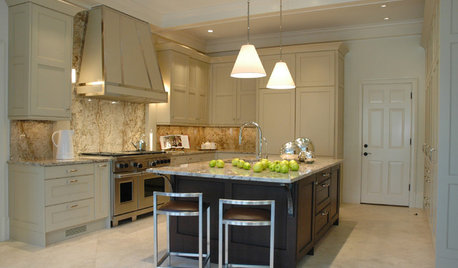
KITCHEN DESIGN8 Industrial-Luxe Kitchen Hood Styles
Make a Statement with Show-Stopping Metal Range Hoods
Full Story
eandhl
Caddidaddy55
Related Professionals
Cincinnati Kitchen & Bathroom Designers · Gary Kitchen & Bathroom Designers · Bemidji Kitchen & Bathroom Designers · Show Low Kitchen & Bathroom Designers · Selma Bathroom Remodelers · Emporia Bathroom Remodelers · Murfreesboro Bathroom Remodelers · Peoria Bathroom Remodelers · Sioux Falls Bathroom Remodelers · Elizabethtown Kitchen Remodelers · Winston-Salem Kitchen Remodelers · Abilene Kitchen Remodelers · Fort Worth Kitchen Remodelers · Alexandria Kitchen Remodelers · Ithaca Kitchen Remodelersantiquesilver
marcolo
antiquesilver
jgopp
kaseki