

Vent Hood Question
16 years ago
Sort by:Oldest
Comments (2)
Related Stories
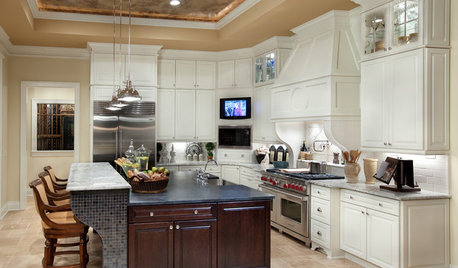
REMODELING GUIDESPlanning a Kitchen Remodel? Start With These 5 Questions
Before you consider aesthetics, make sure your new kitchen will work for your cooking and entertaining style
Full Story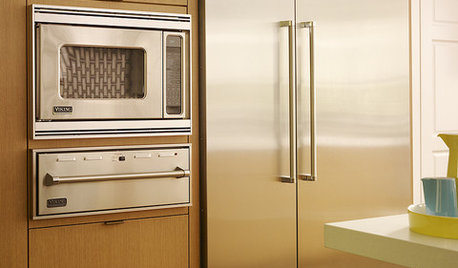
KITCHEN DESIGNA Cook’s 6 Tips for Buying Kitchen Appliances
An avid home chef answers tricky questions about choosing the right oven, stovetop, vent hood and more
Full Story

DOORS5 Questions to Ask Before Installing a Barn Door
Find out whether that barn door you love is the right solution for your space
Full Story
GREEN DECORATING8 Questions to Help You See Through Green Hype
With the ecofriendly bandwagon picking up some dubious passengers, here's how to tell truly green products and services from the imposters
Full Story
KITCHEN DESIGNHow to Choose the Right Hood Fan for Your Kitchen
Keep your kitchen clean and your home's air fresh by understanding all the options for ventilating via a hood fan
Full Story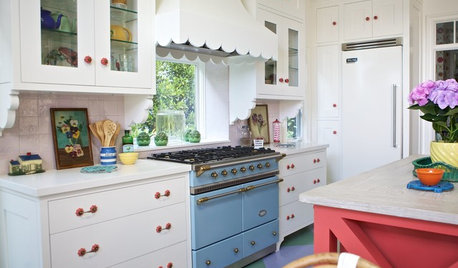
KITCHEN APPLIANCESThe Many Ways to Get Creative With Kitchen Hoods
Distinctive hood designs — in reclaimed barn wood, zinc, copper and more — are transforming the look of kitchens
Full Story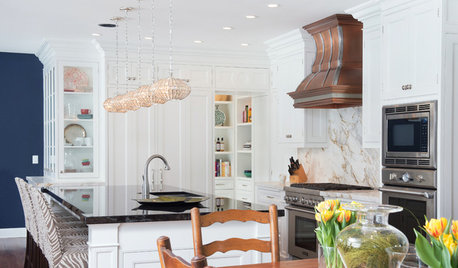
KITCHEN DESIGNWhat to Know When Choosing a Range Hood
Find out the types of kitchen range hoods available and the options for customized units
Full Story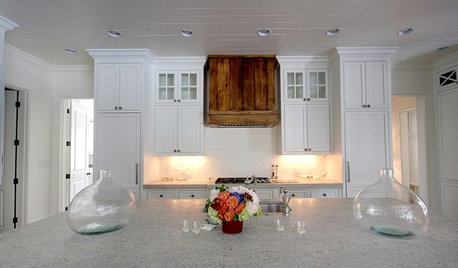
KITCHEN DESIGNWood Range Hoods Naturally Fit Kitchen Style
Bring warmth and beauty into the heart of your home with a range hood crafted from nature's bounty
Full Story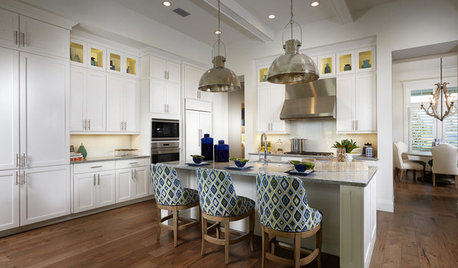
SHOP HOUZZShop Houzz: Large Kitchen Appliance Sale
Save up to 25% on modern ovens, ranges, cooktops, hoods, vents and more
Full Story0

dcrb
kaseki
Related Professionals
Louisville Kitchen & Bathroom Designers · Florence Kitchen & Bathroom Designers · San Antonio Kitchen & Bathroom Designers · Huron Kitchen & Bathroom Designers · Vincennes Bathroom Remodelers · Niles Bathroom Remodelers · York Bathroom Remodelers · Baton Rouge Kitchen Remodelers · Jacksonville Kitchen Remodelers · Newport News Kitchen Remodelers · Fort Dodge Kitchen Remodelers · Greenfield Kitchen Remodelers · Trenton Kitchen Remodelers · Marinette Kitchen Remodelers · Palm Desert Kitchen Remodelers