

Central vs. ductless?
15 years ago
Sort by:Oldest
Comments (4)
Related Stories
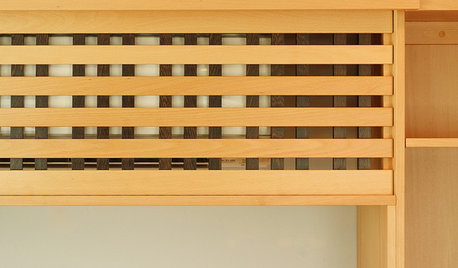
DECORATING GUIDES10 Ways to Hide That Air Conditioner
Feeling boxed in designing around your mini-split air conditioner? Try one of these clever disguises and distractions
Full Story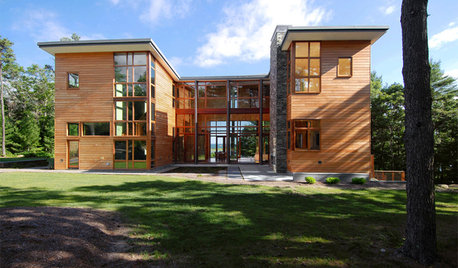
ARCHITECTUREDesign Workshop: Give Me an ‘H’
Look to modern versions of an H-shaped medieval floor plan for more privacy and natural light
Full Story
FLOORSIs Radiant Heating or Cooling Right for You?
Questions to ask before you go for one of these temperature systems in your floors or walls (yes, walls)
Full Story
MORE ROOMSMore Living Space: Converting a Garage
5 things to consider when creating new living space in the garage
Full Story
FUN HOUZZTechnicolor Solutions to 3 Popular Home Peeves
Imagination runs wild in these illustrated solutions for Houzzers' home dilemmas
Full Story
COMMUNITYTwo Homes Focus on Community
Energy-efficient houses in New Zealand adopt a neighborly point of view
Full Story
GREEN BUILDINGOff the Grid: Ready to Pull the Plug on City Power?
What to consider if you want to stop relying on public utilities — or just have a more energy-efficient home
Full Story
BATHROOM WORKBOOKStandard Dimensions and Measurements for a Primary Bath
Create a luxe bathroom that functions well with these key fixture dimensions and layout tips
Full Story

ionized_gw
weedmeister
Related Professionals
Fayetteville General Contractors · Jacksonville General Contractors · Miami General Contractors · Huntington General Contractors · Saginaw General Contractors · Vancouver General Contractors · Covington Home Remodeling · West Plains Home Remodeling · Oshkosh Home Remodeling · Butte Home Remodeling · Cambridge Bathroom Remodelers · Spring Bathroom Remodelers · Danbury Bathroom Remodelers · Plymouth Bathroom Remodelers · Platteville Bathroom Remodelersdavid_cary
ionized_gw