

Professional painters - please help
19 years ago
Sort by:Oldest
Comments (2)
Related Stories
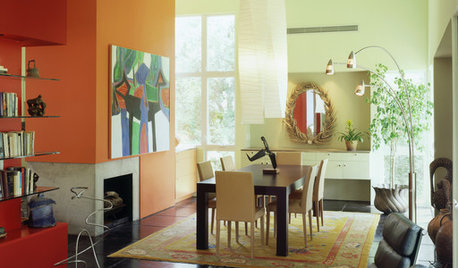
WORKING WITH PROSHow to Work With a House Painter
A professional house painter may be your best friend for refreshing rooms. Here's what you need to know to get the best result
Full Story
HOME OFFICESQuiet, Please! How to Cut Noise Pollution at Home
Leaf blowers, trucks or noisy neighbors driving you berserk? These sound-reduction strategies can help you hush things up
Full Story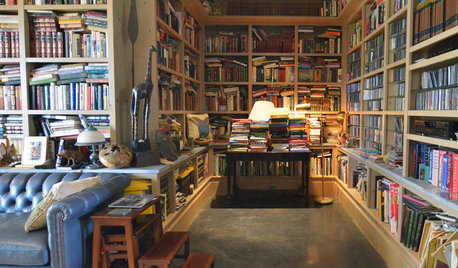
HOUZZ TOURSMy Houzz: Oregon Landscape Inspires a Painter’s Dream Home and Studio
Acres of unspoiled land and abundant natural life surround this special live-work space in eastern Oregon
Full Story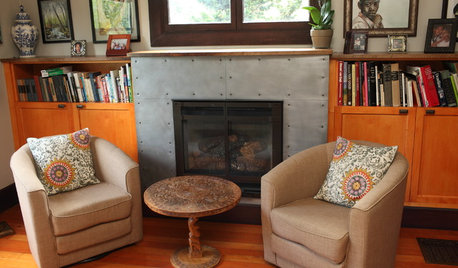
HOUZZ TOURSMy Houzz: Personalized Style in a Portland Painter’s Live-Work Home
Empty nesters bring DIY touches and industrial-style creativity to their 1908 Oregon house
Full Story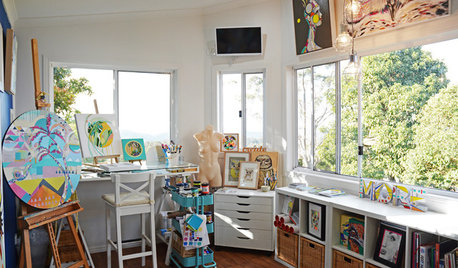
STUDIOS AND WORKSHOPSStudio Tour: A Painter’s View From on Top of the World
This colorful artist’s space in Australia sits up high and opens up to inspiring views of the Queensland rainforest
Full Story
WORKING WITH PROS6 Reasons to Hire a Home Design Professional
Doing a construction project without an architect, a designer or a design-build pro can be a missed opportunity
Full Story
SELLING YOUR HOUSEHelp for Selling Your Home Faster — and Maybe for More
Prep your home properly before you put it on the market. Learn what tasks are worth the money and the best pros for the jobs
Full Story
SELLING YOUR HOUSE5 Savvy Fixes to Help Your Home Sell
Get the maximum return on your spruce-up dollars by putting your money in the areas buyers care most about
Full Story
COLORPick-a-Paint Help: How to Create a Whole-House Color Palette
Don't be daunted. With these strategies, building a cohesive palette for your entire home is less difficult than it seems
Full Story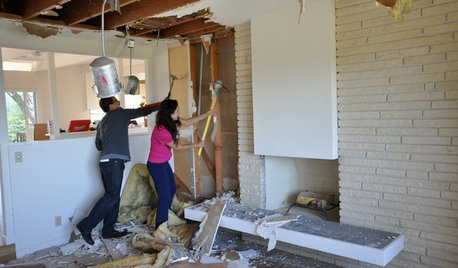
REMODELING GUIDESWisdom to Help Your Relationship Survive a Remodel
Spend less time patching up partnerships and more time spackling and sanding with this insight from a Houzz remodeling survey
Full Story
Michael
brucerussell
Related Professionals
Hot Springs Interior Designers & Decorators · Elizabethtown Interior Designers & Decorators · Brainerd Interior Designers & Decorators · Jamestown Interior Designers & Decorators · Marinette Interior Designers & Decorators · Lewiston Interior Designers & Decorators · Cornwall Interior Designers & Decorators · Rocky Mount Bathroom Remodelers · Athens Bathroom Remodelers · Zanesville Bathroom Remodelers · Davenport Bathroom Remodelers · Kenosha Bathroom Remodelers · Ontario Bathroom Remodelers · Pullman Kitchen & Bathroom Designers · London Kitchen & Bathroom Designers