

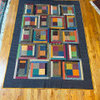
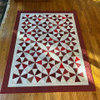
The non-1/4-inch seam
19 years ago
Sort by:Oldest
Comments (7)
Related Stories

THE HARDWORKING HOMECES 2015: Inching Toward a Smarter Home
Companies are betting big on connected devices in 2015. Here’s a look at what’s to come
Full Story
CONTEMPORARY HOMESHouzz Tour: Sleek and Neat in Toronto
Clean lines and generous hidden storage give a renovated home for 4 a more spacious look without a bit of clutter
Full Story
KITCHEN ISLANDSWhat to Consider With an Extra-Long Kitchen Island
More prep, seating and storage space? Check. But you’ll need to factor in traffic flow, seams and more when designing a long island
Full Story
FARM YOUR YARDGrow a Kitchen Garden in 16 Square Feet
Got a sunny 4-by-4 space? You can make meals more interesting with your own vegetables and herbs
Full Story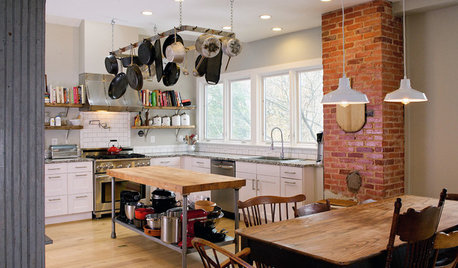
KITCHEN DESIGNNew This Week: 4 Kitchens That Embrace Openness and Raw Materials
Exposed shelves, open floor plans and simple materials make these kitchens light and airy
Full Story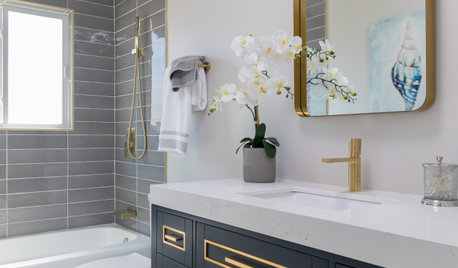
BATHROOM DESIGN4 Designer Secrets to a Luxurious Bathroom Look
Give your bathroom a finished feel with a few splurges and budget-stretching moves
Full Story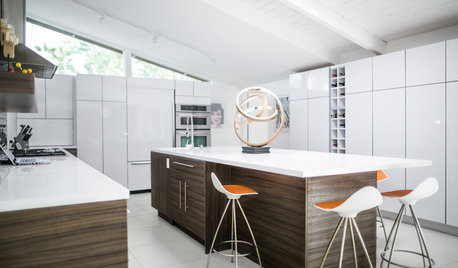
KITCHEN ISLANDS4 Great Kitchens With Workhorse Islands
In these modern, contemporary, French country and industrial spaces, the kitchen island pulls it all together
Full Story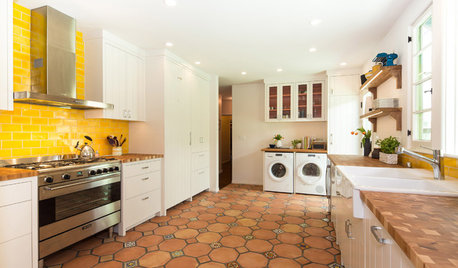
KITCHEN DESIGNNew This Week: 4 Surprising Backsplash and Countertop Pairings
Make your kitchen workspace stand out with colored ceramic tile, back-painted glass, butcher block and more
Full Story
SMALL KITCHENSThe 100-Square-Foot Kitchen: One Woman’s $4,500 DIY Crusade
Teaching herself how to remodel, Allison Macdonald adds function, smarter storage and snazzier materials
Full Story
ORGANIZING4 Questions to Help You Organize Your Favorite Photos
Organize your keeper photos with a system that's just right for you, whether it's in the cloud or you can hold it in your hand
Full Story
Sponsored

jennifer_in_va
grammyp
Related Professionals
Chattanooga Furniture & Accessories · Dallas Furniture & Accessories · Pittsfield Furniture & Accessories · New York City Furniture & Accessories · Mansfield Furniture & Accessories · Cherry Hill Interior Designers & Decorators · Toms River Interior Designers & Decorators · Charlottesville Interior Designers & Decorators · Montréal Interior Designers & Decorators · York Interior Designers & Decorators · Starkville Flooring Contractors · Muskegon Flooring Contractors · Williamsport Flooring Contractors · Fresno Flooring Contractors · Wenatchee Flooring Contractorsteresa_nc7
gillian_41
mexicomarti
glassquilt
jennOriginal Author