

Wood Glaze Emergency
19 years ago
Sort by:Oldest
Comments (5)
Related Stories
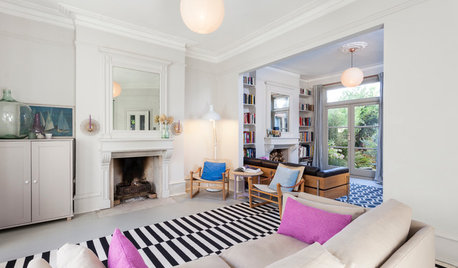
DECORATING GUIDESMy Houzz: Light Emerges in a Dark Victorian House
A designer freshens up her family’s period home by opening rooms to sunlight and decorating it in light, bright colors
Full Story
LIFEHow to Prepare Your House for Emergencies
Knock on wood you won't have any big mishaps at home, but it's important to be ready. Our checklist can help
Full Story
LIFEYour First-Aid, Emergency and Medical Supply Checklist
Don’t wait until you need them to stock your first-aid kit and emergency stash. Here’s what to get and where to keep it
Full Story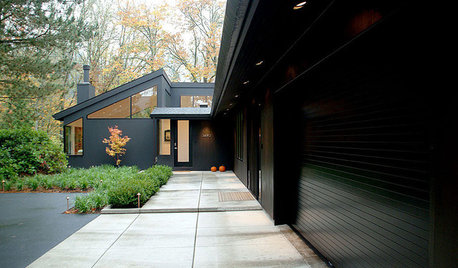
EXTERIORSHome Noir: Black Exteriors Emerge From the Shadows
People are darkening their doorsteps more and more around the U.S. — but is the trend a bright idea?
Full Story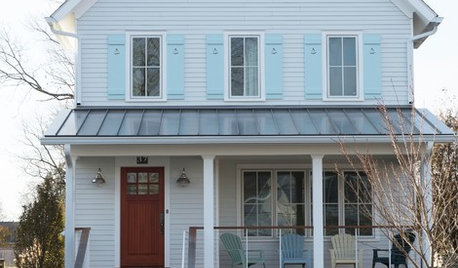
DISASTER PREP & RECOVERYHouzz Tour: Modern Farmhouse Emerges From Hurricane Sandy Devastation
A homeowner loses her cottage but gains a new energy-efficient, low-maintenance home
Full Story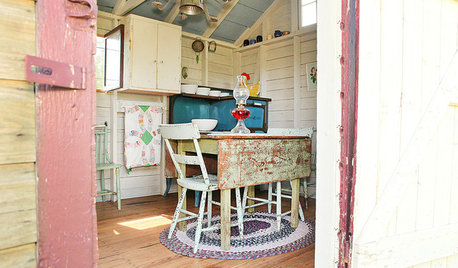
HOUZZ TOURSMy Houzz: A Backyard Getaway Emerges From a Grain Shed
Cozy and brimming with country charm, this snug antiques-filled hideout encourages quiet pastimes
Full Story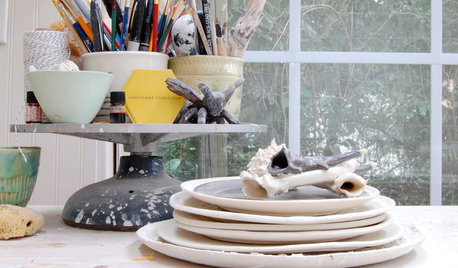
OUTBUILDINGSStudio Tour: From Old Shed to Sunny Ceramics Workshop
Elegant porcelain antlers and more now emerge from an Atlanta outpost where critters once roosted
Full Story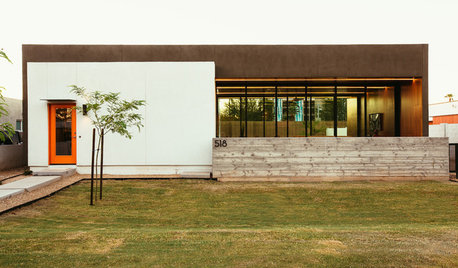
INSIDE HOUZZMeet Our Future of Architecture Winners
Houzz and the AIA team up to showcase emerging talents in residential architecture
Full Story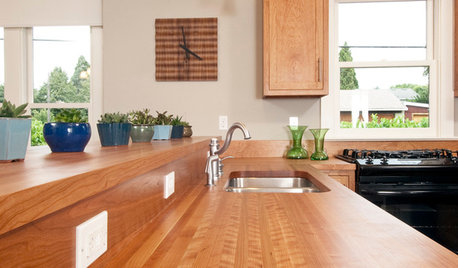
KITCHEN DESIGNWonderful Wood Countertops for Kitchen and Bath
Yes, you can enjoy beautifully warm wood counters near water sans worry (almost), with the right type of wood and sealer
Full Story
REMODELING GUIDESWhen to Use Engineered Wood Floors
See why an engineered wood floor could be your best choice (and no one will know but you)
Full Story
kmealy
furnone
Related Professionals
South Sioux City Cabinets & Cabinetry · Middletown Cabinets & Cabinetry · Bridgeport Cabinets & Cabinetry · Great Falls Cabinets & Cabinetry · Longview Cabinets & Cabinetry · Vancouver Cabinets & Cabinetry · Asheville Carpenters · New Braunfels Carpenters · Boise Carpenters · Crestview Flooring Contractors · Port Saint Lucie Flooring Contractors · Sebring Flooring Contractors · Frederick Flooring Contractors · Fort Wayne Flooring Contractors · Lake Havasu City Flooring Contractorskmealy
michie1Original Author
kmealy