

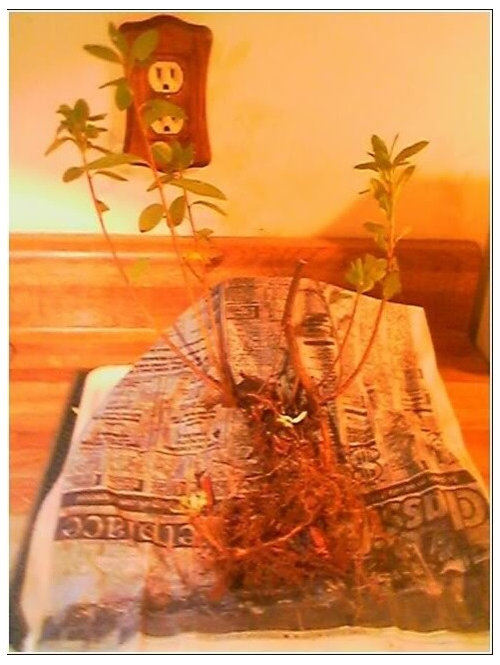
Layered Azalea Bush
20 years ago
Sort by:Oldest
Comments (9)
Related Stories
GARDENING GUIDESLayer on the Textures for a Lush Garden Look
If your landscape feels flat, consider creating depth and interest with the color, shape and feel of your plants
Full Story
PLANTING IDEASDesigning With Conifers: Layers of Texture for Your Garden
Sharp and prickly or fine like ferns, richly textured conifers bring unexpected interest to the landscape
Full Story
GARDENING GUIDESGreat Design Plant: Northern Bush Honeysuckle, a Bronze Beauty
It helps control erosion and takes sun or shade. The butterflies love it. But the best part of this shrub may be the vivid foliage
Full Story
CONTAINER GARDENSPatio-Perfect Berry Bushes Like You’ve Never Seen
Small enough for pots but offering abundant fruit, these remarkable bred berries are a boon for gardeners short on space
Full Story
FALL GARDENING5 Fall Fruits You Can Grow in Containers
Brighten your porch or patio with a potted pomegranate, kumquat, blueberry bush or another great fall fruit
Full Story
GARDENING GUIDESGreat Design Plant: Buddleja Marrubiifolia
Beautiful color, soft texture and the ability to thrive in the extreme temperatures of the Southwest make woolly butterfly bush a winner
Full Story
GARDENING GUIDESGreat Design Plant: Hibiscus Syriacus ‘Sugar Tip’
As pretty as a party dress, ‘Sugar Tip’ has layers of pink that catch the eyes of butterflies
Full Story
MONTHLY HOME CHECKLISTSYour March Checklist for a Smooth-Running Home
Prep your home for spring by shedding its winter layers and bringing in nature and fresh colors
Full Story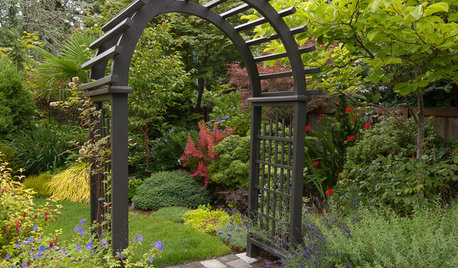
PLANTING IDEASGreat Garden Combo: 9 Plants for an Intriguing Entrance
Layer trees, flowers and shrubs around an archway to create the feeling of a year-round doorway to adventure
Full Story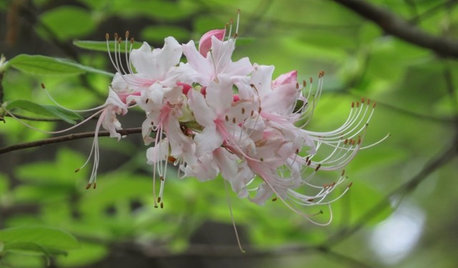
GARDENING GUIDESGreat Design Plant: Rhododendron Canescens
Have a damp, shady spot in your garden that needs a lift? This Southern U.S. native may be the solution
Full Story
More Discussions
terrybOriginal Author
merrygardens
Related Professionals
Raleigh Landscape Architects & Landscape Designers · Honolulu Landscape Architects & Landscape Designers · Selma Landscape Contractors · New Orleans Landscape Contractors · Champaign Landscape Contractors · Harrisburg Landscape Contractors · Seattle Landscape Contractors · London Landscape Contractors · Emporia Architects & Building Designers · Joplin Architects & Building Designers · Meridian Architects & Building Designers · Nashua Architects & Building Designers · Olean Architects & Building Designers · Oxnard Architects & Building Designers · San Luis Obispo Architects & Building DesignersterrybOriginal Author
merrygardens
terrybOriginal Author
merrygardens
terrybOriginal Author
merrygardens
geoforce