

Black/Brown Stem
11 years ago
Sort by:Oldest
Comments (5)
Related Stories
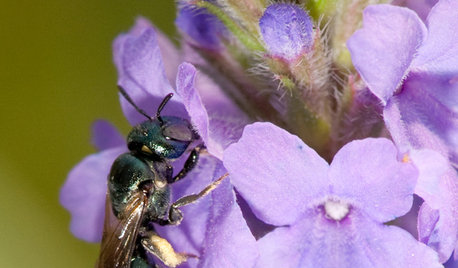
GARDENING GUIDESSmall Carpenter Bees Are Looking for a Home in Your Plant Stems
Provide flowers and nesting sites in your garden for this beautiful, tiny, metallic blue wild bee — your plants will thank you
Full Story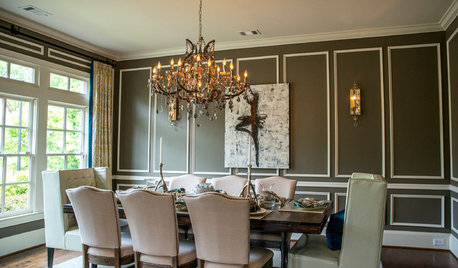
BLACKHow to Decorate With Brown, Black — or Both
Black is best for engineered materials; brown works great for textures — and more designer tips for working with these two classic colors
Full Story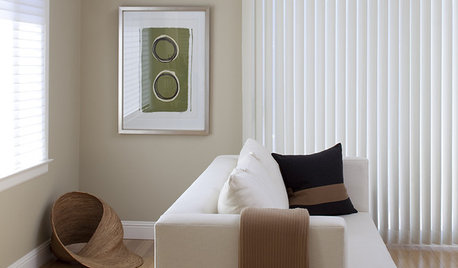
BROWNBeige to Almost Black: How to Pick the Right Brown
Warm your home with paint the color of lattes, espresso and chocolate
Full Story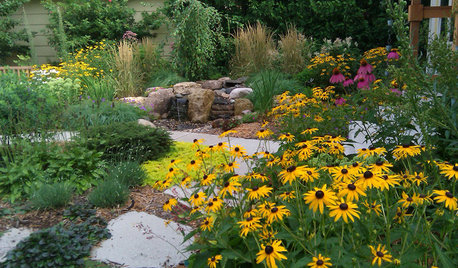
FLOWERSRudbeckia Mania: Go Beyond Black-Eyed Susan in the Garden
Branch out from typical nursery fare, with lesser-known Rudbeckia species that have delightfully unexpected features
Full StoryGARDENING GUIDESGreat Design Plant: Black-Eyed Susan
Plant seeds this fall for rich swaths of golden blooms in the garden come summer
Full Story
BROWNColor Guide: How to Work With Brown
It's all over nature and the decorating world too. From light latte to dark walnut, there's a brown for everyone
Full Story
COLORWhy You Should Give Brown a Chance
If 'blech' is your first response to brown, you're missing out on the opportunity for a warm-looking room that appeals to both sexes
Full Story
CURB APPEALWhen to Paint Your House Brown
Nature loves brown, from rich soil to sunlit sand, and so do home exteriors with a traditional or Craftsman bent
Full Story
GREENColor Combinations: Brown and Green
Take Your Cue from Nature for the Most Classic Color Combination of All
Full Story
HOLIDAYSA Violet, Brown, Bronze and White Holiday
7 Great Reasons to Deck the Halls With Unconventional Colors
Full Story
Sponsored
lucky123Original Author
Karin
Related Professionals
Owensboro Landscape Architects & Landscape Designers · Westminster Landscape Architects & Landscape Designers · Oneonta Landscape Architects & Landscape Designers · Scranton Landscape Architects & Landscape Designers · Leamington Landscape Architects & Landscape Designers · Texarkana Landscape Contractors · Clarksburg Landscape Contractors · Providence Landscape Contractors · Yuba City Landscape Contractors · Durango Landscape Contractors · Eugene Landscape Contractors · El Dorado Architects & Building Designers · Manhattan Architects & Building Designers · Superior Architects & Building Designers · Olympia Architects & Building Designerslucky123Original Author
Sans2014
lucky123Original Author