

Reason for undulating concrete basement floor?
11 years ago
Sort by:Oldest
Comments (4)
Related Stories
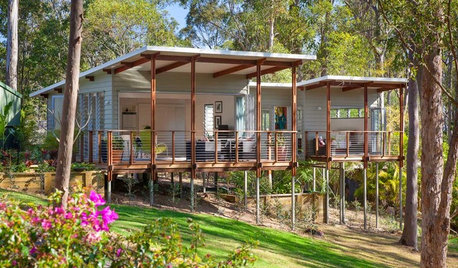
ARCHITECTUREStilt Houses: 10 Reasons to Get Your House Off the Ground
Here are 10 homes that raise the stakes, plus advice on when you might want to do the same
Full Story
FLOORS5 Reasons Vinyl Flooring Might Be Right for You
This increasingly popular flooring material has some very real benefits
Full Story
REMODELING GUIDES11 Reasons to Love Wall-to-Wall Carpeting Again
Is it time to kick the hard stuff? Your feet, wallet and downstairs neighbors may be nodding
Full Story
ARCHITECTUREDesign Workshop: Reasons to Love Narrow Homes
Get the skinny on how a superslim house footprint can work wonderfully for your site, budget and quality of life
Full Story
SAVING WATER6 Reasons Why You Should Save Your Rainwater Now
Collect and store during the rainy season so you’ll have water ready for irrigation when you need it
Full Story
COLORNew Reasons to Love and Decorate With Yellow
Learn some of this controversial color’s history and associations — you might just see it in a different light
Full Story
MOST POPULAR10 Reasons to Get Rid of More Clutter
From a calmer mind to a more workable closet, the benefits of streamlining are just a few trash bags away
Full Story
FLOORSKnow Your Flooring: Concrete
Concrete floors have a raw and elegant beauty that can be surprisingly warm
Full Story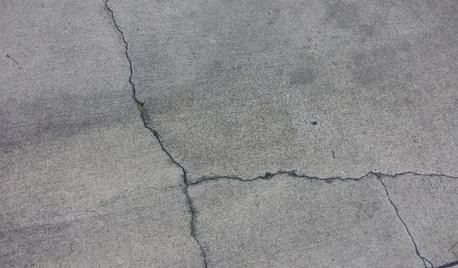
CONCRETEWhy Concrete Wants to Crack
We look at the reasons concrete has a tendency to crack — and what you can do to help control it
Full Story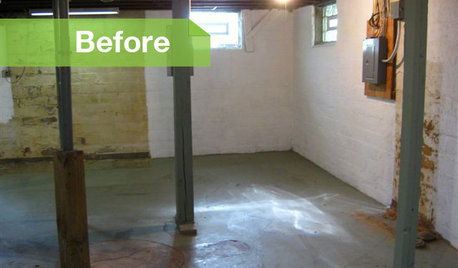
BASEMENTSBasement of the Week: Modern Style Converts an Empty Concrete Box
From raw wasteland to fab living, sleeping and storage space, this snazzy basement now covers all the angles
Full Story

glennsfc
quahogOriginal Author
Related Professionals
Gulfport Flooring Contractors · Tulsa Flooring Contractors · Corpus Christi Flooring Contractors · Fort Worth Flooring Contractors · Marquette Flooring Contractors · Bozeman Flooring Contractors · Enid Tile and Stone Contractors · Orangeburg Tile and Stone Contractors · Pueblo Tile and Stone Contractors · Great Falls Tile and Stone Contractors · Victoria Tile and Stone Contractors · Peoria Kitchen Remodelers · Lebanon Kitchen Remodelers · Brattleboro Kitchen Remodelers · Sanford Kitchen Remodelersglennsfc
User