

Leaking roof due to antique bricks?
11 years ago
Sort by:Oldest
Comments (2)
Related Stories

LIGHTINGDecorating With Antiques: Set the Stage With Lighting
Complete a vintage scene or create contrast with lamps, sconces and chandeliers that have traveled through time
Full Story
BRICKGreat Materials: Common Brick Stacks Up Style
So basic and yet so incredibly versatile, bricks can dress home exteriors, walls, roofs and more. Here's how to bring out their best
Full Story
HOUZZ TOURSMy Houzz: Honoring the Past in an 1891 Queen Anne
Antiques and respectful renovations give a home in Oregon old-world charm and modern-day comforts
Full Story
ECLECTIC HOMESMy Houzz: Color and Texture Fill an Eclectic Pittsburgh Row House
Moroccan touches join exposed brick, salvaged materials and scads of books in this home for a creative couple
Full Story
HOUZZ TOURSHouzz Tour: Gracious Hacienda Mansion in Mexico
Exquisite local craftsmanship, a thermal-spring pool and sleeping quarters for 16 make for an ideal retreat in San Miguel
Full Story
MOST POPULARSo You Say: 30 Design Mistakes You Should Never Make
Drop the paint can, step away from the brick and read this remodeling advice from people who’ve been there
Full Story
ARCHITECTURERoots of Style: Does Your House Have a Medieval Heritage?
Look to the Middle Ages to find where your home's steeply pitched roof, gables and more began
Full Story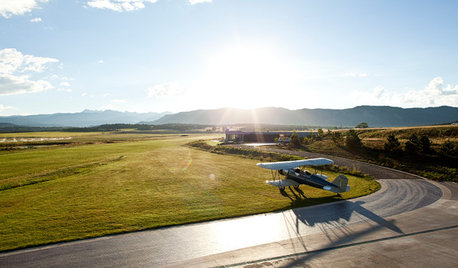
HOUZZ TOURSHouzz Tour: A Modern Mountain Home Takes Off With Its Own Airstrip
In Colorado, a glass and concrete home hugs a former hayfield that’s now a launching pad for antique planes
Full Story
GREEN BUILDINGSalvaged Materials Triumph as All-Stars of Sustainability
When you save manufacturing energy and have a beautifully crafted home to boot, it's a win-win situation
Full Story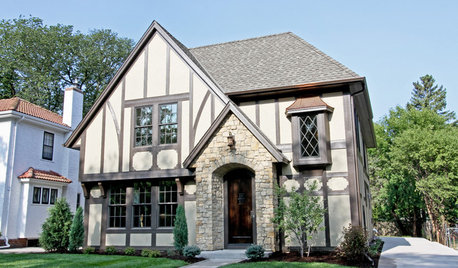
ROOTS OF STYLERoots of Style: The Indelible Charm of American Tudors
Rich details and an intimate scale give this English-inspired architectural style memorable character and flexibilty
Full Story
worthy
yellowducky
Related Professionals
Washington Architects & Building Designers · Emporia Architects & Building Designers · Great Bend Architects & Building Designers · Enid Architects & Building Designers · Manchester Architects & Building Designers · Chula Vista Architects & Building Designers · Raleigh Design-Build Firms · Wichita Falls Design-Build Firms · Fort Wayne Design-Build Firms · Evanston Design-Build Firms · Bronx Design-Build Firms · Birmingham Home Builders · Chillicothe Home Builders · Muncie Home Builders · Coldwater Home Builders