Software
Houzz Logo Print
chickencoupe1

Thyme (common) Slaughter

11 years ago

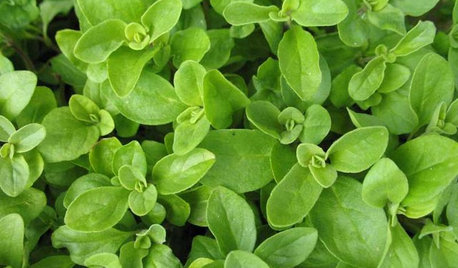
I'm getting ready to kill it. It is up about 1/2" tall with its cute little seedling leaves. There are about 12 of them in an 8oz styro cup. They always get slaughtered right at this point. I know it doesn't much like water. But they're so small and their soil dries completely out! I use a spray bottle and mist it, but I never know how much. So, either kill it by over watering or kill it by not watering. I just have no idea how to transplant this weirdo.

of course, the internet says "easy to grow" Ha!

Comments (18)

  • 11 years ago

    Sow the thyme seeds in a regular plant flat and not in cups. You need them in shallow containers so you can bottom water them and let the water wick up from the bottom. If you have to use cups, use the little paper 3-oz size bathroom cups. Cut the bottoms off, line them up in a flat-bottomed plant flat with no holes in its bottom, and fill them with the growing mix. (I often use disposable silver aluminum roasting pans or cake pans when I use up all my flats.) Fill the paper cups with a sterile soil-less seed-starting mix to which you've added some sand. Or, buy a small bag of cactus-growing mix at a big box store like Lowe's or Home Depot or a nursery. It drains better than regular sterile soil-less mix. Bottom water them only and not too much or you'll likely lose them to damping off.

    Or, wait until the weather warms up and direct sow the seeds (via surface sowing, uncovered, just barely pressed into the soil, in the best-drained soil you have. They don't need much water and if they get it, it will kill them. I deliberately plant thyme at outer garden edges near the fence line in a area where there are no drip irrigation lines. I don't want it watered as often as most other garden plants or it will die. That's doubly true in clay soil, even when it is well-amended.

    The easiest way to grow thyme is to purchase a plant and then raise more plants from cuttings from your mother plant. It is a lot less aggravating than dealing with persnickety baby thyme plants that need moisture but then attempt to die when you give it to them.

  • 11 years ago

    Oooh. Thank you. I just bought a small bag of Cactus mix for those other plants ....... that I'm certain to kill, soon, but I'll direct so these little Thyme stinkers. Tired of killing them. I have other things to murder in my priorities.


  • 11 years ago

    Robert, When I water thyme seedlings from the top, they damp off every time. When I bottom water they don't. It always is interesting to me that different folks can get different results from the same methods. I should add that when I add sand, I add a lot and it drains terribly well so that the upper area, where the tiny roots of the tiny plants are, is pretty darn dry all the time. I leave them so dry the plants almost wilt. I've been accused by friends of "never" watering my thyme plants, but I swear that I do sometimes water them. Just not very often. I find it easier to grow thyme in containers year-round than in the ground, Even my sandy soil at the west end of the garden holds too much moisture for them about 10 months out of the year, with the two good months being July and August in a dry year. Thyme has probably given me more trouble, survival-wise, than anything else except maybe rhubarb, which surely does not like our heat here. I grow it anyway.

    Bon, I love the cactus mix for starting seeds of all the Mediterranean herbs that don't like being wet...feet, bodies, foliage, etc. I add even more sand to it because, for me, that's given me the best results with picky things like lavender, which isn't hard (just slow) to germinate, but which then is picky about not being too wet. I have better success with Spanish lavenders than with those that originated in cooler climates and I think that is because our summer weather is something they understand and can tolerate.

  • 11 years ago

    Dawn, could I grow Rhubarb in a large container? Thinking east side of the house? I have trouble with thyme, too. Good to know about catus mix.

  • 11 years ago

    I think its true 2 people can do the same thing and get different results! I too am trying to grow thyme. it came up very easy but I can tell the soil I used is not the best and maybe dries crusty. I am going to transplant half today and see what happens. hopefully not death...

  • 11 years ago

    I also have an oscillating fan. I find I have very little damping off if I have just a slight breeze blowing. I probably have 5 or 6 fans in my greenhouse to keep air moving constantly.

    I know it gets below 50* in there at night.

    I have started adding more sand to my container mixes also. I buy the all purpose sand as it has better drainage qualities then the play sand.

    I also hold back on the fertilizer so it doesn't get leggy. Usually if anything gets a lot of new growth before the stems can support it, it seems to increase the chance of damping off.

  • 11 years ago

    Awesome. That answers a couple questions that popped into my head as I was tending to the seedlings about when to feed and why I'm not seeing any dampening off, yet.


  • 11 years ago
    last modified: 11 years ago

    chickencoupe, I do feed but I use a diluted water soluble . I put a little on then I mist it with plain water. I don't like to leave the fertilizer on the young tender leaves. I have had it burn the leaves if the sun pops out and it gets too warm too quick. At least it seems to happen if I don't mist afterwards.

    I think the air movement is the most important as far as preventing damping off. That may be the reason I get away with top watering since the fan dries the foliage and surface of the soil.

  • 11 years ago

    I got one lavender up so far! I was about to dump it and start something else. That took a long time I will look at my notes to see. I am learning ever so slowly it seems.

  • 11 years ago

    Amy, I believe you could. My problem with rhubarb is not so much the winter cold (although I suppose a very wet winter might kill it in clay soil....just a guess though) as it is the summer heat. Once we're hitting 95-100+ degrees every day, the rhubarb just fades away and dies. At first, I thought it was only going dormant in the extreme heat (I had it in the sandy/silty/loamy soil at the west end of the front garden in morning sun/afternoon shade) and would leaf out again in autumn, winter or spring, but nope, it was dead. I started my current rhubarb plants from purchased roots, of the kind you often see at TSC this time of year, with 2 or 3 in a bag. I put them in 1 gallon pots to let them grow and establish for a few months and then moved them up to bigger pots. They are superbly happy in a molasses feed tub. Because I had a greenhouse, I moved the tub to the greenhouse, which still gets somewhat cold at night as it is unheated. Most cold nights the greenhouse stays roughly 10-12 degrees warmer than the outside air as I have tons of buckets and jugs of water in there serving as solar collectors. I've been surprised how warm it can stay. Even on an 18-20 degree night, the greenhouse will stay right around or just below freezing. I think rhubarb would be fine outdoors here in winter in a container, but I haven't tried it yet. In our early years here, I had rhubarb survive three years, year-round, in the ground, but those were some very warm winters. I have had to work so hard to keep rhubarb alive in the summer that I merely moved it to the greenhouse out of an abundance of caution. Tim grew rhubarb in Pennsylvania in the 1970s as a teenaged gardener, so I cannot imagine it wouldn't survive winters in the ground here. I am not sure if gophers or voles would eat it. I think they might.

    Robert, I have one fan in my guest room where I start seedlings on the light shelf, and it might not make enough air movement. I have a big fan (one of those big round things on wheels than you can roll around) I use in the greenhouse. It makes enough wind to blow my plants all the way to Florida if I turn it up too high, but I keep it on low most of the time. I don't have much damping off issues at all ever (and, Lordy, Lordy, I hope I didn't just jinx myself) but when it happens it usually is with finicky Mediterranean type herbs. I have thought about trying to raise them in pure sand as seedlings, but then I'd have to feed them earlier and I don't feed until plants are a pretty decent size. You know how it is....when their appearance tells me they are hungry, then I'll finally feed them. I do think that feeding plants too early or watering them too much contributes to legginess, along with warm temperatures, and also to damping off. In my early years of raising plants from seed, I watered too much, too often, and fed too early and likely too often and I have cut way, way back on that over the years, with significantly happier, healthier plants as a result.

    Kim, Lavender from seed will teach you patience like just about nothing else. It is just the slowest thing around. It might easily take 30 days to get more than just a couple of seedlings to sprout.

    Y'all, There is a large, Identified Flying Object up in the sky today. It arose from the east at sunrise and is shining up in the sky. I am so excited. I had to move all my tomato plants and flats of flowering annuals indoors before the snowstorm last week and again this week and they are too big to be indoors, too tall for the light shelf, and getting leggy from sitting on the breakfast room table and leaning towards the window to bask in the cloudy, snowy skies. Once the temperatures hit the low 30s, I'll put the flats of cool-season annuals back outside. I might even move them back to the greenhouse once we hit the mid-20s. The tomato plants might have to content themselves with the breakfast room table one more day as we are only expected to make it into the 30s today, but I might move them to the greenhouse around noon for a few hours of some sunlight (the greenhouse has 50% shadecloth on it).

    A gradual warming trend begins today. I hope we just had the last blast of winter weather, but who knows? Our ground is so wet that it is ridiculous. We still had mud and puddles from last week's storms, and then we got light rain all day long before we finally started getting sleet and then snow last night. I'd like to think that we soon can start doing more gardening outdoors instead of inside greenhouses and houses, but guess we'll have to wait and see what Mother Nature has planned for us next before we get our hopes up too much.

    Today I am potting up more seedlings. My tallest tomato plants, from seeds started on Super Bowl Sunday, are getting too tall for the light shelf and need to move out to the greenhouse soon---maybe by the end of the weekend. Once those are out there, then the seedlings I'm potting up today will have a proper place on the light shelf instead of on the floor beside it.

    There's not a lot going on in the garden outdoors yet, but the guest room looks like a garden right now.

  • 11 years ago

    Dawn, all my Minnesota relatives grow Rhubarb. Rhubarb likes cold. I didn't think it grew here at all, but saw roots for sale last year. I got seeds to try this year. Who knows may not get anyrhing. But I am thinking about setting up an area on the east side of the house for some plants that aren't heat lovers.

  • 11 years ago

    I know it likes cold but I underestimated how much it hates heat. : ) I just never figured out if it died out over the winter because something like gophers was eating it, or if summer actually killed it (though we sometimes had foliage still in fall), or if our soil stayed too wet in combination with our wintertime temperatures. Some plants that tolerate wet, cold soil in winter only tolerate wet, cold, well-drained soil....not perpetually wet, never-draining clay in winter. I see that a lot with some of the wildflowers here---they will thrive if winter was cold and dry but there will be a whole lot fewer of certain kinds if winter was cold and wet. The types of wildflowers that come back in any given year can be predicted, after a few years of observation, based on how wet the clay soil was....and not just in winter, but even in the summer time. I've learned never to get too attached to a given wildflower variety because some of them only grow well (or at all) in clay in drier years and virtually disappear in wetter years only to return the next time we have a dry year again.

    I've raised rhubarb (both VIctoria and Glaskins Perpetual) from seed and from roots. From seed it is a lot slower to size up so it takes a couple more years before it gets big enough for you to harvest it, kind of like asparagus if grown from seed. That means the trick is to get your seed-grown plants through the summer so they can live long enough to get large enough to harvest in another year or two. If you harvest from a seed-grown plant in its first or maybe second year here, it won't come back because it lost too many stalks too young to make it through the winter I guess. By the third year I have harvested from seed-grown plants without having the poor thing die like it does if harvested the first or second year Or, there's another way.....

    From seed sown indoors in January (or indoors in the fall and overwintered in the greenhouse or indoors), and transplanted into the ground in late March or early April, I have used it as an annual, letting it grow as long as possible before harvesting all of it. How do I know when to harvest the young, tender stalks (obviously they're all young and tender at that age)? Well, at my house, it generally starts to show heat-stress in early July if it is in morning sun only and that's when I harvest it all. If I wait a couple of more weeks, the heat kills it. When grown as a short-lived annual, you have to harvest before the heat makes the stalks start going limp and droopy. Growing it as an annual this way has given us enough for several pies and enough to freeze for future pies (which I don't eat, but which Tim does). In full sun, it begins to decline even earlier here, usually in early June, although it just depends on when we start hitting the mid-90s. One year we hit the 90s in February for a day or so and then in April for a few days, and the rhubarb plants were not impressed with that early heat. I think last year would have been a great year for annual rhubarb because we had a fairly cloudy, cooler-than usual summer, with pretty decent rain, at least in the months of June and July. I wasn't growing any as an annual last year though.

    Rhubarb is so much trouble that I"m not sure it is worth the bother, but Tim really likes it so that is why I grow it. Rhubarb is a little bit of his childhood, from a childhood where 85 degrees is considered a hot summer day. I can't fix the weather to give him the kind of summer heat he remembers so I just try to grow rhubarb for him.

    During our early years here when we had rhubarb plants survive and produce for several consecutive years, I was sure we had growing rhubarb in zone 7b all figured out, so I bought a cookbook called "The Joy of Rhubarb". That likely was a jinx as it was the last year we had an easy crop of rhubarb. Since then, we've had to fight for every stalk and there hasn't been much joy associated with the process either. Now that it is surviving and doing well in containers, maybe the joy of rhubarb will return.

  • 11 years ago

    I grew up eating a lot of rhubarb pie in Wis, Ill, and Pa. I would love to make one for my mom but I cant eat it anymore. I never thought to try to grow it but people here talk about it. might give it a try next year.

  • 11 years ago

    Growing as an annual is a possibility. Rhubarb makes me think of my childhood, too. Strawberry rhubarb pie, cobbler, jam. It's really not pretty cooked, LOL. My cousins used to give it to me raw, just to see how I would react. Also makes me think of my aunts cucumbers in brine in the fridge and wilted lettuce salads.

  • 11 years ago

    Strawberry rhubarb pie is exactly what Tim likes. lol.

  • 11 years ago

    I'm growing rhubarb as an annual this year, rows of Victoria seed, harvesting most as skinny stems, and seeing if I can establish some longer-lived roots that way. I first read of doing that years ago in the Morgan County Seed catalog, (a Missouri Mennonite-run company that caters to small commercial growers- it had interesting tips here and there) and I never felt I had space for that.

    But I've grown tired of buying roots that rot in my hot red clay, and am so tired of missing out on strawberry rhubarb pie, so this year is the year to try.

    Who knows, the year may be a cool cropper!

  • 11 years ago

    I hope you'll keep us posted on how it works for you. I found it worked pretty well as an annual, but I have grown mine at the west end of our mostly clay garden. The west end has some sandy-silty soil that then gradually becomes more clayey as you go east. It has been a great place for annual rhubarb, carrots and potatoes. Now that pine voles have found the veggie garden and have been eating carrots and potatoes the last few years, I had to move them to a hardware cloth-lined bed. I'm still growing the annual rhubarb there, though, until they start eating it and force me to stop.