

Quiet and effective Range Hood?
11 years ago
Sort by:Oldest
Comments (5)

Related Stories

KITCHEN APPLIANCESWhat to Consider When Adding a Range Hood
Get to know the types, styles and why you may want to skip a hood altogether
Full Story
5 Stunning Modern Range Hoods
Today's kitchen range hoods can look like sleek sculptures. Here's what to look for when you go shopping for one
Full Story
HOME OFFICESQuiet, Please! How to Cut Noise Pollution at Home
Leaf blowers, trucks or noisy neighbors driving you berserk? These sound-reduction strategies can help you hush things up
Full Story
LANDSCAPE DESIGNDesign Your Landscape for Peace and Quiet
Block unwanted noise with plantings, barriers and water features for a more soothing outdoor experience
Full Story
UPHOLSTERYSeeking a Quiet, Relaxed Spot? Try Upholstering Your Walls
Upholstery can envelop an entire room, a framed panel or a single wall. See some design options and learn what to expect
Full Story
DECORATING GUIDESNeed Peace and Quiet? Muted Colors Tone Things Down
Subtle hues can be perfect for large rooms and to balance out bolder colors in a home
Full Story
TASTEMAKERSA Designer Edits — and Adds — for Dramatic Effect
Interior designer Nancy Braithwaite’s new book shows how it’s possible to edit rooms of all styles to create their best look
Full Story
BUDGET DECORATING8 Cost-Effective Ways to Get a High-End Look
Don’t discount that expensive material yet. By using a small amount in a strategic way, you can get a luxurious look without the expense
Full Story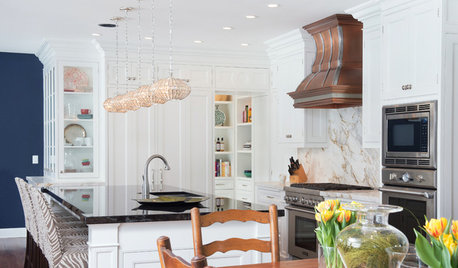
KITCHEN DESIGNWhat to Know When Choosing a Range Hood
Find out the types of kitchen range hoods available and the options for customized units
Full Story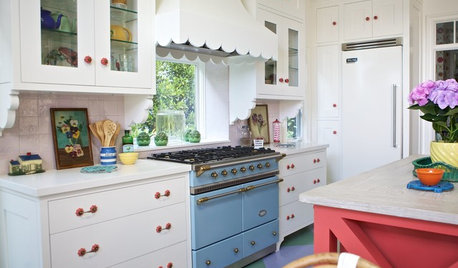
KITCHEN APPLIANCESThe Many Ways to Get Creative With Kitchen Hoods
Distinctive hood designs — in reclaimed barn wood, zinc, copper and more — are transforming the look of kitchens
Full Story
kaseki
AnneOriginal Author
Related Professionals
Wilmington Kitchen & Bathroom Designers · College Station Kitchen & Bathroom Designers · Lynchburg Kitchen & Bathroom Designers · Oxnard Kitchen & Bathroom Designers · Dickinson Kitchen & Bathroom Designers · Mobile Bathroom Remodelers · Carbondale Bathroom Remodelers · Hannibal Bathroom Remodelers · Dallas Bathroom Remodelers · Hartford Bathroom Remodelers · Pittsfield Bathroom Remodelers · Beatrice Bathroom Remodelers · Pittsburgh Bathroom Remodelers · Davenport Kitchen Remodelers · Orange County Kitchen Remodelersattofarad
kaseki
feisty68