

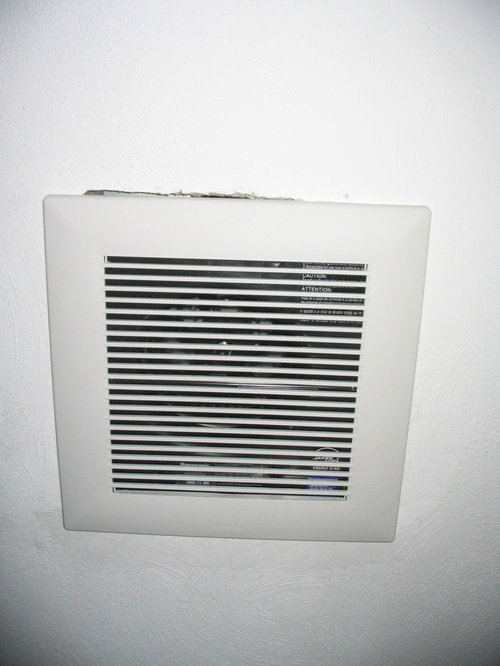
Eliminating slim gap between bath fan & ceiling
11 years ago
last modified: 11 years ago
Featured Answer
Sort by:Oldest
Comments (15)
 11 years ago
- 11 years ago
Related Professionals
Kissimmee Home Remodeling · Evansville Home Remodeling · Fredericksburg Home Remodeling · Virginia Beach Home Remodeling · Rockford Home Remodeling · Alexandria Home Remodeling · Las Cruces Home Remodeling · Brooklyn Kitchen Remodelers · Potsdam Kitchen Remodelers · Indianapolis Bathroom Remodelers · Baton Rouge Bathroom Remodelers · Cherry Hill Bathroom Remodelers · Monroe Bathroom Remodelers · San Bernardino Bathroom Remodelers · Stockton Bathroom Remodelers PRO11 years ago
 11 years agolast modified: 11 years ago
 PRO11 years ago
- 11 years agolast modified: 11 years ago
- 11 years ago
- 11 years ago
- 11 years ago
- 11 years ago
- PRO11 years ago
- 11 years ago
- PRO11 years agolast modified: 11 years ago
- PRO11 years ago
Related Stories

BATHROOM DESIGNDaring Style: Bedroom and Bath, All In One
Loft-Like Open Plans Remove the Master Bath Wall. Is This Look for You?
Full Story
KITCHEN OF THE WEEKKitchen of the Week: Fans of Traditional Style Go For a ‘Mad Men’ Look
The TV show inspires a couple to turn their back on the style they knew and embrace a more fun and funkier vibe in their kitchen
Full Story
KITCHEN DESIGNHow to Choose the Right Hood Fan for Your Kitchen
Keep your kitchen clean and your home's air fresh by understanding all the options for ventilating via a hood fan
Full Story
KITCHEN APPLIANCESLove to Cook? You Need a Fan. Find the Right Kind for You
Don't send budget dollars up in smoke when you need new kitchen ventilation. Here are 9 top types to consider
Full Story
BATHROOM DESIGNFloor-to-Ceiling Tile Takes Bathrooms Above and Beyond
Generous tile in a bathroom can bounce light, give the illusion of more space and provide a cohesive look
Full Story
BATHROOM WORKBOOKStandard Dimensions and Measurements for a Primary Bath
Create a luxe bathroom that functions well with these key fixture dimensions and layout tips
Full Story
COLOR11 Reasons to Paint Your Ceiling Black
Mask flaws, trick the eye, create drama ... a black ceiling solves a host of design dilemmas while looking smashing
Full Story
BATHROOM MAKEOVERSWasted Space Put to Better Use in a Large Contemporary Bath
Bad remodels had managed to leave this couple cramped in an expansive bath. A redesign gave the room a luxe hotel feel
Full Story
BATHROOM DESIGNRoom of the Day: A Master Bath Embraces the River View
Stone columns, rich walnut trim and attention to the smallest details create a private, relaxing pavilion
Full Story
EVENTS5 Color and Style Trends for Kitchens and Baths in 2019
See top looks on display at the Kitchen & Bath Industry Show and the International Builders’ Show
Full Story




kudzu9