

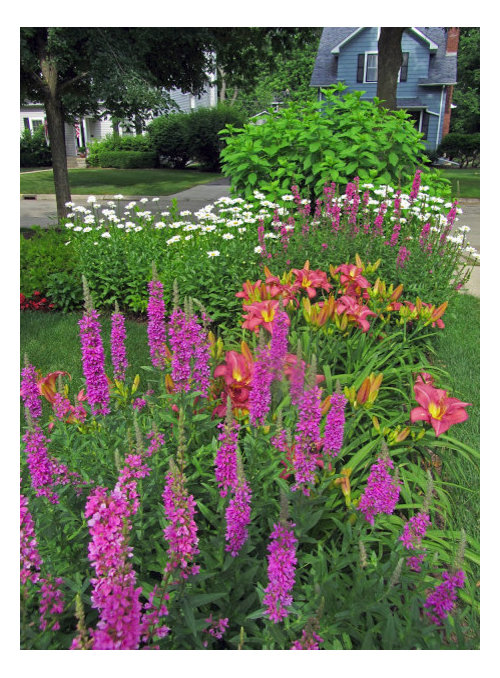
Plant identification needed - please see photo
11 years ago
Featured Answer
Sort by:Oldest
Comments (6)
 11 years ago
 11 years ago
Related Professionals
Savannah Landscape Architects & Landscape Designers · Madison Landscape Architects & Landscape Designers · Louisville Landscape Architects & Landscape Designers · Fort Wayne Landscape Architects & Landscape Designers · Little Rock Landscape Contractors · Enid Landscape Contractors · Eau Claire Landscape Contractors · Superior Landscape Contractors · Wheeling Landscape Contractors · San Luis Obispo Landscape Contractors · Enid Architects & Building Designers · Traverse City Architects & Building Designers · Garden City Architects & Building Designers · Great Falls Architects & Building Designers · Cody Architects & Building Designers 11 years ago
 11 years ago
- 11 years ago

Related Stories
LANDSCAPE DESIGNSee a Lush Australian Garden That Needs Little Water
Highly self-sufficient and sustainable, this oasis near Sydney offers something special around every corner
Full Story
LIVING ROOMSCurtains, Please: See Our Contest Winner's Finished Dream Living Room
Check out the gorgeously designed and furnished new space now that the paint is dry and all the pieces are in place
Full Story
GARDENING GUIDESGreat Design Plant: Silphium Perfoliatum Pleases Wildlife
Cup plant provides structure, cover, food and water to help attract and sustain wildlife in the eastern North American garden
Full Story
OUTDOOR KITCHENSHouzz Call: Please Show Us Your Grill Setup
Gas or charcoal? Front and center or out of the way? We want to see how you barbecue at home
Full Story
GARDENING GUIDESGreat Design Plant: Ceanothus Pleases With Nectar and Fragrant Blooms
West Coast natives: The blue flowers of drought-tolerant ceanothus draw the eye and help support local wildlife too
Full Story
PETSWe Want to See the Most Creative Pet Spaces in the World
Houzz is seeking pet-friendly designs from around the globe. Get out your camera and post your photos now!
Full Story
EVENTSDesign Calendar: Where to Go and What to See in April 2016
Tour modern homes, peruse handmade furniture and stroll native-plant gardens this month
Full Story
HOUSEPLANTSMother-in-Law's Tongue: Surprisingly Easy to Please
This low-maintenance, high-impact houseplant, also known as snake plant, fits in with any design
Full Story
SUMMER GARDENINGHouzz Call: Please Show Us Your Summer Garden!
Share pictures of your home and yard this summer — we’d love to feature them in an upcoming story
Full Story
HOME OFFICESQuiet, Please! How to Cut Noise Pollution at Home
Leaf blowers, trucks or noisy neighbors driving you berserk? These sound-reduction strategies can help you hush things up
Full Story
gardengal48 (PNW Z8/9)