

MR16 vs GU10
11 years ago
Featured Answer
Sort by:Oldest
Comments (13)
 11 years ago
- 11 years ago
Related Professionals
Lafayette Interior Designers & Decorators · Tupelo Interior Designers & Decorators · Riverside Interior Designers & Decorators · Santa Maria Interior Designers & Decorators · Santa Rosa Interior Designers & Decorators · Richmond Furniture & Accessories · Rolla Furniture & Accessories · Muskogee Furniture & Accessories · Burlington Furniture & Accessories · Wausau Furniture & Accessories · Denver Furniture & Accessories · Redding Furniture & Accessories · Kahului Furniture & Accessories · Cookeville Kitchen & Bathroom Designers · Lawrenceburg Kitchen & Bathroom Designers- 11 years ago
- 11 years agolast modified: 11 years ago
- 11 years ago
- 11 years ago
- 11 years ago
- 11 years ago
- 11 years agolast modified: 11 years ago
- 11 years ago
- 11 years ago
- 11 years ago
Related Stories
DECORATING GUIDES16 Lounges Go Wild for Science at San Francisco's Exploratorium
See the imaginative designs concocted and let us know which style formula works best for you
Full Story
FURNITURE16 Favorite Chairs from High Point Market
Finds from the world's largest furnishing show: Big patterns, chic lines, and a chair worthy of the Starship Enterprise
Full Story
GARDENING AND LANDSCAPINGHouzzers Say: 16 Outdoor Must-Haves
See what 16 exterior features you may want to put on your home remodeling checklist
Full Story
FUN HOUZZWorld of Design: 16 Fun Homes That Encourage Play
What does a fun home look like? These 16 very different properties around the world are designed with enjoyment in mind
Full Story
HEALTHY HOME16 Ideas for a Healthy, Feel-Good Home
Making these small tweaks and bigger shifts at home can help you thrive everywhere you go
Full Story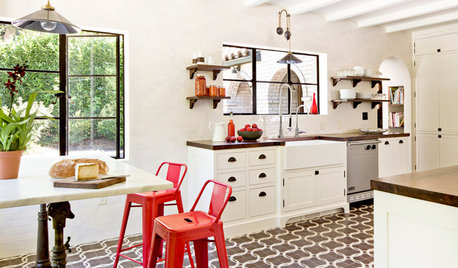
KITCHEN DESIGN16 Scrumptious Eat-In Kitchens and What They Want You to Serve
Whether apple-pie cheerful or champagne sophisticated, these eat-in kitchens offer ideas to salivate over
Full Story
EVENTSDesign Calendar: Feb. 24–March 16, 2012
Visit David Stark's pop-up Wood Shop, the Philadelphia International Flower Show and more
Full Story0
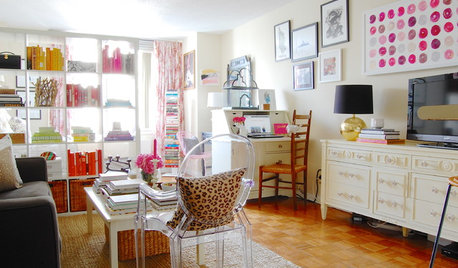
LIFEHave the Kids Left Home? 16 Things to Consider
‘An empty nest is not an empty heart’ and other wisdom for when the household changes
Full Story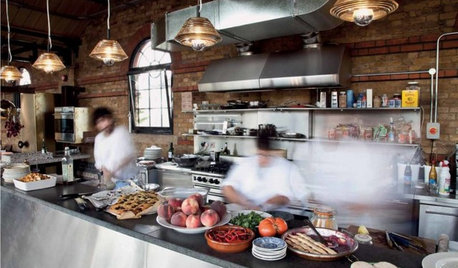
KITCHEN DESIGN16 Practical Ideas to Borrow From Professional Kitchens
Restaurant kitchens are designed to function efficiently and safely. Why not adopt some of their tricks in your own home?
Full Story
HOLIDAYS16 Creative Ways to Hide Easter Eggs
Crack of dawn on Sunday not your ideal thinking time? Just follow our creative egg-hiding ideas and pretend Peter Cottontail did the work
Full Story
Don