

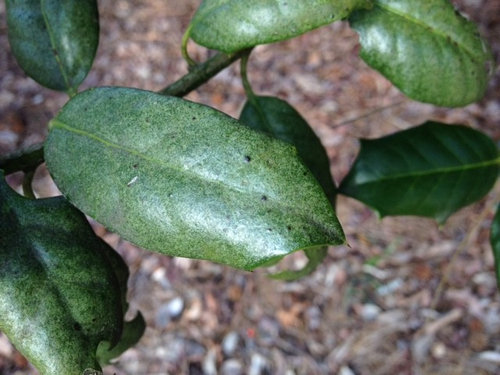
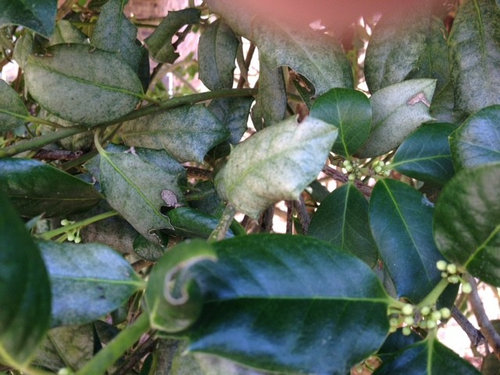
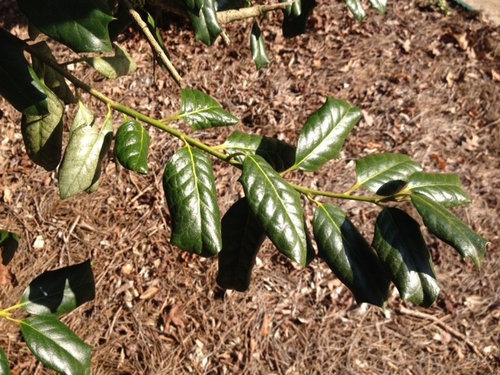
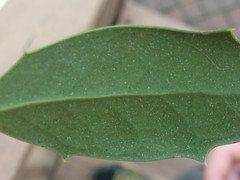
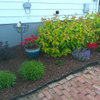
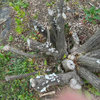
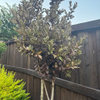
light green/gray discoloration on Nellie Stevens
11 years ago
Featured Answer
Sort by:Oldest
Comments (11)
 11 years ago
- 11 years ago
Related Professionals
Philadelphia Landscape Architects & Landscape Designers · Aiken Landscape Architects & Landscape Designers · Gloucester Landscape Architects & Landscape Designers · Lebanon Landscape Architects & Landscape Designers · Gainesville Landscape Contractors · Terre Haute Landscape Contractors · Oneonta Landscape Contractors · Cleveland Landscape Contractors · Miami Home Builders · Corpus Christi Home Builders · Houston Home Builders · Victoria Home Builders · Buffalo Home Builders · Huron Home Builders · Bend Home Builders 11 years agolast modified: 11 years ago
- 11 years ago
- 11 years ago
- 11 years ago
- 11 years ago
- 11 years ago
- 11 years ago
- 11 years ago
Related Stories
DECORATING GUIDESCool Color Palettes: Enviable Green and Blue Spaces
Freshen up tired interiors with dewy to inky hues that harmonize even as they help each other stand out
Full Story
ARCHITECTUREBuilding Green: How to Plan Your Site for Healthier Living
Learn the many ways to create a more eco-friendly environment on your land
Full Story
WINDOW TREATMENTSA Surefire Way to Prevent Sun Damage Indoors
Why let light ruin your furniture, floors and artwork, when the solution could be as simple as applying high-quality window film?
Full Story
HOUSEKEEPINGHow to Keep Your White Spaces Looking Great
Brighten up your white walls, floors and furniture with these cleaning and maintenance tips
Full Story
GREEN BUILDINGZero Net Energy: A Hardworking-House Term to Know
Homes that consume only as much energy as they produce by renewable means are a goal for builders. Learn what ZNE means for you
Full Story
GARDENING GUIDESSoutheast Gardener's December Checklist
Don't hang up your shears and gloves all month: 8 ways to keep your green thumb from freezing over
Full Story
HOUSEPLANTSGet a Dash of the Rain Forest With Madagascar Dragon Tree
This living decoration reaches up to 15 feet, has minimal needs and adapts to different light levels — just steer clear of fluoride
Full Story
LIVING ROOMS15 Decorating Moves to Take Your Living Room to the Next Level
These tricks with furniture, lighting, color and accessories go a long way toward making a space fashionable and comfortable
Full Story
COLORFUL KITCHENSKitchen of the Week: A Midcentury Marvel in Santa Barbara
Globe lights, pegboard and walnut evoke 1950s flair — and you'll love the indoor-outdoor breakfast bar
Full Story
HOUZZ TOURSMy Houzz: Creative Salvaging in the Canadian Countryside
Lighting from X-ray shades, a wine-barrel table, suitcases as props ... this couple repurposes with enthusiasm and style in equal measure
Full Story
oleandergirl