

YIKES!!!
11 years ago
Sort by:Oldest
Comments (5)

Related Stories
LIFEYou Said It: ‘Yikes, Tough Crowd’ and Other Quotes of the Week
Some of our favorite quotes this week came straight from the Comments section. See the stories and have your own say
Full Story

SMALL SPACESDownsizing Help: Where to Put Your Overnight Guests
Lack of space needn’t mean lack of visitors, thanks to sleep sofas, trundle beds and imaginative sleeping options
Full Story

BATHROOM DESIGNTake a Seat at the Vanity
Get Ready for Your Day at One of These Dressing Tables
Full Story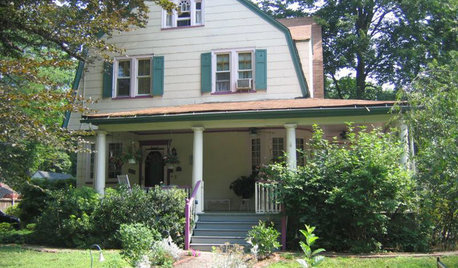
EXTERIORS13 Dramatic Exterior Paint Makeovers by Houzzers
See real-life before and afters of home fronts transformed with paint, in wide-ranging colors and styles
Full Story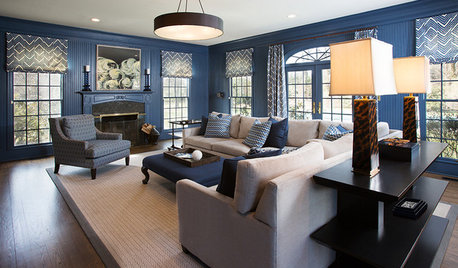
ROOM OF THE DAYRoom of the Day: Moody Blue Update for a Family Room
Comfort, function and style bring this room up to par for a stately Georgian home on Long Island’s Gold Coast
Full Story
FUN HOUZZHouzz Quiz: What's Your Decorating Style?
Answer these 9 questions to find out what decorating style suits you best
Full Story
chickencoupe
stockergal
Related Professionals
Canton Landscape Architects & Landscape Designers · Magnolia Landscape Contractors · Louisville Landscape Contractors · York Landscape Contractors · Las Vegas Landscape Contractors · Eugene Landscape Contractors · Decatur Accessory Dwelling Units · Louisville Accessory Dwelling Units · Bartlesville Accessory Dwelling Units · Martinsburg Accessory Dwelling Units · Aurora Accessory Dwelling Units · Champaign Accessory Dwelling Units · Youngstown Accessory Dwelling Units · Kennewick Accessory Dwelling Units · Montréal Accessory Dwelling UnitsOkiedawn OK Zone 7
luvncannin
scottokla