

Sunlight penetration percents for trees
11 years ago
Sort by:Oldest
Comments (8)
Related Stories
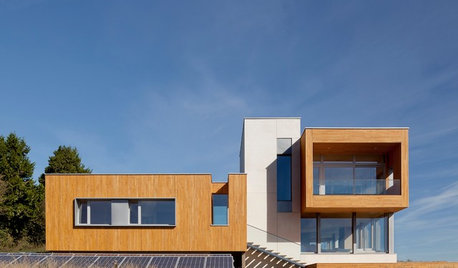
GREEN BUILDINGSunlight Used Right: Modern Home Designs That Harness Solar Power
Embracing passive heating principles through their architecture, siting and more, these homes save energy without skimping on warmth
Full Story
GARDENING GUIDESWhen and How to Plant a Tree, and Why You Should
Trees add beauty while benefiting the environment. Learn the right way to plant one
Full Story
GARDENING GUIDESSpring Citrus Care Reaps Months of Sweet Rewards
Learn how to tend citrus trees in spring and ways to preserve their delicious fruit
Full Story
GREEN BUILDINGLook to the Sun for More of Your Home's Lighting
Manage sunlight with design-savvy windows, solar tubes and skylights to save energy and show your home's beauty
Full Story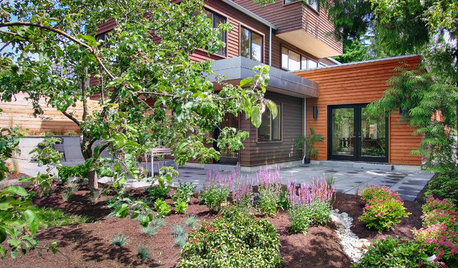
HOUZZ TOURSHouzz Tour: A Seattle Home Reaches for High Sustainability
Tapping into rainwater, sunlight and natural ventilation, a Washington state home gets both green cred and a gorgeous look
Full Story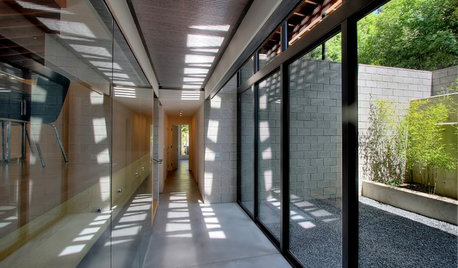
ARCHITECTUREDesign Workshop: How to Borrow Light
You can save energy by using glass walls, windows and skylights to bring sunlight into dark areas of your home
Full Story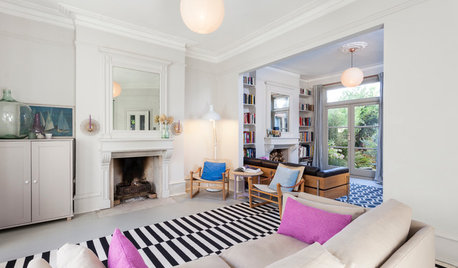
DECORATING GUIDESMy Houzz: Light Emerges in a Dark Victorian House
A designer freshens up her family’s period home by opening rooms to sunlight and decorating it in light, bright colors
Full Story
LANDSCAPE DESIGNWarm Up Your Home With an Evergreen Windbreak
Plant tall trees for more warmth in winter, serenity in summer and good looks all year long
Full Story
HOUZZ TOURSHouzz Tour: Modern Treetop Living in Sydney
Encouraging connections and calm, this Australian family home among the trees is all about subtlety
Full Story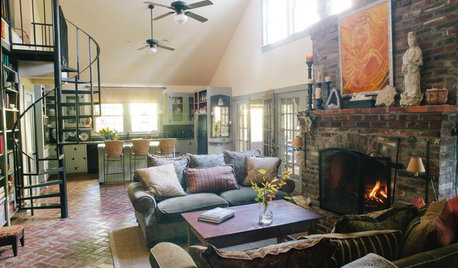
HOUZZ TOURSMy Houzz: Cottage Comforts in the Louisiana Woods
Part secluded retreat, part party central, this cabin hidden among the trees is all good design
Full Story
gardengal48 (PNW Z8/9)
Adam BalosOriginal Author
Related Professionals
Oxford Landscape Architects & Landscape Designers · Spartanburg Landscape Architects & Landscape Designers · Winona Landscape Architects & Landscape Designers · Akron Landscape Architects & Landscape Designers · Tucson Landscape Architects & Landscape Designers · Eugene Landscape Architects & Landscape Designers · Wenatchee Landscape Architects & Landscape Designers · Evanston Landscape Architects & Landscape Designers · Jackson Landscape Architects & Landscape Designers · Muskegon Landscape Contractors · Lewiston Landscape Contractors · Fayetteville Decks, Patios & Outdoor Enclosures · Davenport Decks, Patios & Outdoor Enclosures · Aurora Decks, Patios & Outdoor Enclosures · Salt Lake City Decks, Patios & Outdoor EnclosuresYardvaark
Adam BalosOriginal Author
ishcountrygal
Adam BalosOriginal Author
ishcountrygal
Adam BalosOriginal Author