Software
Houzz Logo Print
matt_conner88

A Real Silly Question

11 years ago

Hey everyone! So I was planning on sowing some seeds out in the yard today and when I got out there and realize if I start digging (literally bringing the grass up to get to the soil) then my ground is going to be uneven lol. I guess I could just make a hole deep enough for whatever seed I am planting but then won't that only bring up one plant? I have all of these ideas on how I want my backyard set up that I have been thinking about all winter long and now the time is here and I encounter this small problem. Any recommendations would really be great. This is my first year having a yard to actually plant in and I'm excited. Thanks everyone

Comments (10)

  • 11 years ago

    Very nice, thoughtful answer, agarden!

    Matt Conner thanked rhizo_1 (North AL) zone 7
  • 11 years ago

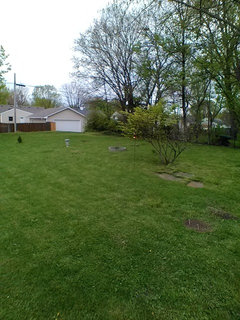
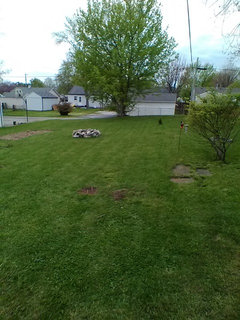
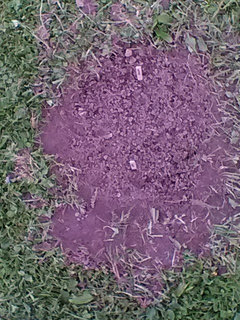
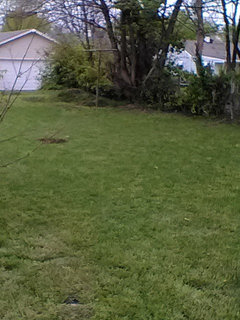
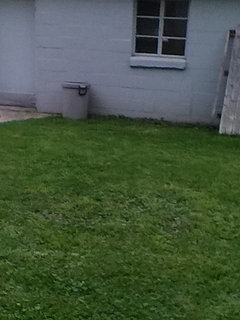
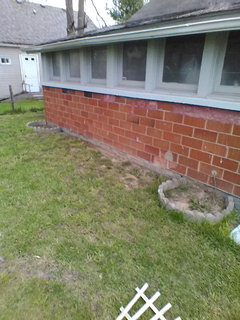
    Hi. Thanks for the great reply. I am mostly planting perennials I do have a few annuals however (Morning Glories, Sun Flowers, Alyssum, Snap Dragons and Forget Me Nots). Then the perennials I have are ( Johnny Jump Up, Black Eyed Susan, Bleeding Hearts, HollyHocks, Primrose, Scarlet Sage, Columbine, Delphinium, Purple Coneflower, Shasta Daisy, Salvia, Yarrow, Belladonna, Mugwort, Maiden Pinks, Canterbury Bells, Lupines and Lilacs. I'm so new to all of this that I took most of my seedlings out today, not knowing about the process of hardening them off and needless to say I think some might have been damaged. I have seeds so I hope all is not lost. I am attaching pictures of my backyard along with one of the type of dirt I am working with (Not sure exactly what you would call it lol). I know that's quite a few plants to tackle in one year but I think the hardest part is just figuring out where they will grow best considering so many are partial shade. Anyhow, I am open to suggestions and again thank you for the advice :)


  • 11 years ago

    agardenstateof_mind, just wondering what are your thoughts on mulching the areas also instead of using compost? I assume I couldn't do this until I actually have plants coming up but thought I would see what you and everyone else thought about this also

  • 11 years ago

    Finished compost can be used as a mulch or can be turned in to the soil - it is the single best thing you can do for a garden, and it's free if you make your own. Adding composted organic matter to sandy soil will increase its ability to hold moisture and nutrients; adding it to heavy clay soil will lighten it, helping to relieve compaction and improving drainage.

    Mulch should only be used on top of the soil, as it has not yet decomposed (the decomposition process requires nitrogen, and if you turn the mulch in to the soil, it will take the nitrogen that your plants need, whereas if you just leave it on top, it can take the N (nitrogen) from the air.

    A good layer of mulch applied after the soil has warmed will help stabilize soil temperatures and moisture levels while also keeping down weeds. It can also lessen infection by soil borne diseases that are present in the soil and splash up during rains and/or overhead irrigation.

    Organic mulch (vs. stones or shredded rubber) is best, and there are many options - shredded autumn leaves, salt hay (the seeds won't germinate in your soil), shredded wood, bark, etc. You'll want to consider such things as appearance and cost. I use shredded leaves in most of my gardens since we have an abundant supply and they eventually break down, enriching the soil. For my high-visibility gardens in front of my house, however, I like to splurge on shredded hardwood mulch when I can, as it does look nicer.


    Matt Conner thanked agardenstateof_mind
  • 11 years ago

    From the photo I cannot tell what kind of soil you have, but here's an easy test you can do ... and if you have children, they'll love helping. It's called the "jar test."

    Take a straight-sided jar (Mason, Ball, mayonnaise, etc.) and fill about halfway with your soil. Fill almost the rest of the way with water. Now add a drop or two of liquid soap/detergent. (This last is optional, just makes the layers clearer.)

    Now, screw on the cap securely and shake until well mixed, then set it down. You'll see the sand begin to settle out immediately. Silt will take a bit longer - maybe an hour or a couple. The clay will settle out last, taking up to several hours. Organic matter will float or settle on top of the clay.

    You will be able to see clearly the proportions of sand, silt and clay in your soil.

    A nice, friable, sandy loam is preferable - a mix of sand, silt and clay with a generous amount of decomposed organic matter - that resembles chocolate cake. See, plants aren't so different from us after all ;-)

    Matt Conner thanked agardenstateof_mind
  • 11 years ago

    Thanks again for all the help. I guess I better test the soil to see exactly what I am working with lol. Would any kind of manure be ok to use? I assume I just work it into the soil?

  • 11 years ago

    If using manure, be sure it is thoroughly and properly composted. (I got a free load of 3-year-old horse manure a few years ago and thought the weed seeds would have been spent ... no such luck.)

    Some people till amendments like compost and manure into the soil, I've gone over with the "no till" folks, just minimally working in amendments and letting the soil organisms and micro-organisms do the rest. If the soil in your planting site is badly compacted, you might have to be a bit more aggressive, though.

    What a lovely big yard! Lots of space to plant, but I hope you have a plan, even a rough sketch, of what is going where.

    Morning glories and forget-me-nots will re-seed like crazy. Johnny jump-ups, columbine and coneflower will also re-seed, and mugwort will spread by underground runners. You can minimize re-seeding by removing spent flowers/flower clusters as soon as they have died, before they've set seed. This isn't very practical with morning glory, however.

    Remember that most perennials are going to take a few years to reach full size and flowering, and when they do flower, it will be for 4-6 weeks. The rest of the season, the leaves - their color, texture, size and shape - will contribute to your garden design.

    It looks like you have a succesion of bloom planned. That's great not only for our pleasure, but for sustaining beneficial insects like butterflies, honeybees, native solitary bees, and the many insect predators and parasites that keep the bad guys in check.


  • 11 years ago

    Thanks for the information. That's weird about Morning Glories re-seeding themselves. I grew a plant last year and it didn't come back and as far as I know no off shoots did either. I wish they would have though! I waited until September however to put it in the ground because we moved. I wonder if that played a factor in it not re-seeding?


  • 11 years ago

    If it had time to flower, maybe the seeds didn't have a chance to mature before your first frost set in? I had one years ago and am still getting a few volunteers every summer. Apparently the seeds can be viable, but dormant, for several years.


    Matt Conner thanked agardenstateof_mind
Sponsored