Software
Houzz Logo Print
sara82lee

black spot already :(

11 years ago

Two of my roses already have a little bit of black spot. I've sprayed them each week - twice if it was rainy - since they started putting out leaves. I was determined to keep that away this year - last year was really bad!


Ugh.

Comments (31)

  • 11 years ago

    What are they Mulched with?


  • 11 years ago
    last modified: 11 years ago

    I pulled out all of the mulch last year. They have no mulch now.

  • 11 years ago
    last modified: 11 years ago

    Try 2 inches of compost and try not to let the leaves get wet. The disease spores are in your leaves and on the surface of the soil. Pine straw is a good mulch.

  • 11 years ago

    Thanks. I'll try it.

  • 11 years ago

    More important, what are you spraying with?


  • 11 years ago
    last modified: 11 years ago

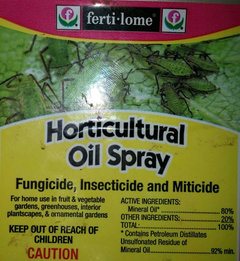
    What the people at my local garden center recommended to me.


  • 11 years ago

    If the roses are in SE Virginia, it's most likely only a chemical fertilizer will work. Depending on the type of rose, most will get BS regularly without spraying. You should get one of the ones that Cecily mentioned and spray them once a week until the BS stops, then every 2-3 weeks after that.

    In hotter climates, oil spray will burn the leaves.


  • 11 years ago

    When you get BS is totally dependent on the weather conditions. Something you have no control over. Warm days and cool nights and damp conditions are the perfect growing weather for BS spores. Even with a good spray program it's not always possible to avoid getting BS completely. Don't beat yourself up over it. It happens to everyone.

  • 11 years ago
    last modified: 11 years ago

    I agree. Don't use that oil spray. It won't do anything to help blackspot (might kill aphids though). But you don't want to spray them with any kind of oil because it can literally fry your plants. Use the Bayer Advanced disease control (a liquid you mix into a garden sprayer and spray twice a month). You can get it at any lowes or Home Depot. You're going to see much better results once you start using the right spray. :)

  • 11 years ago

    No one has mentioned the dangers associated with and the precautions that they feel should be followed if you select the particular spray that he/she has recommended. Nor have they asked anything about you, your family, and your neighbors. Such as: do you have small children, pets, are you pregnant or have the ability to become pregnant, source of your drinking water, etc.

    The link below is to a rather complete discussion of various viewpoints on the possible dangers of tebuconazole based blackspot sprays of the type that some people have recommended in this thread:

    http://forums2.gardenweb.com/discussions/1645288/best-overall-product

  • PRO
    11 years ago

    Horticultural spray is good, best to apply two applications in the winter when the plant is dormant for disease, you can use on bugs. Is your plant getting enough afternoon sun? Also, roses don't need a lot of water. They grow like weeds if you just water deeply once a month. www.Vintagegardens.com might be a good resource for you, it was for me.

  • 11 years ago

    All rose sprays and chemicals have instructions and precautions on the labels. This forum is meant to help those grow better roses, the product Sara was using was useless for black spot, many of us choose to spray and enjoy the benefits by using the correct ones, sharing what works, and following the directions. Life has its risks, there would be a whole lot of hungrier people if not for chemicals, you can't bake a cake without directions, you can get cancer from the carpet in your new car, the air we breathe etc. spraying fungicides is a choice......

  • 11 years ago

    SoFL, as far as I know, Home Depots don't carry the Bayer Advanced Disease control. But Lowe's does. I work for HD and had to go to the "competitor" for my Bayer's, lol.

  • 11 years ago

    Horticultural Spray is NOT the BEST choice for controlling Black Spot....

  • 11 years ago

    And true, steve, carpeting is a petroleum based product. I've known people who were highly allergic to carpeting, even brand new samples.

  • PRO
    11 years ago

    My bad. Pure Neem Oil is what I us in my garden. So, if you are looking for a healthy alternative give it a try. www.dyna-gro.com

  • 11 years ago

    At the risk of boring those who've heard this story before, when I was 15, my parents saw fit to have our living-room floor covered with a fabulous new innovation - pesticide-impregnated carpet (I believe the salesman told them it would prevent it from being devoured by moths... )

    I woke one morning, a few weeks later, virtually paralysed and and unable to walk, with bizarre neurological symptoms. I recovered enough to go to school, but have struggled with this same illness ever since - currently (almost 50 years later) house/couch-bound. When my sister returned from University that year, she too became mysteriously ill, and has often struggled similarly throughout her life. Apparently, the blood-brain barrier is less well-developed in the young, so all the poison goes straight to the brain.

    I beg those who believe nothing like this could happen to them or their children, pets, etc, to think very carefully indeed, before using any such chemicals in your home or garden. You may get nice roses now, but are they really worth risking ruining your children's lives for?

    Unfortunately, the long-term effects on the birds, bees and other inoffensive folk who grace your garden with their presence, may not be known until it's too late to save them...

    Comtesse

  • 11 years ago

    I got the combination of horticultural oil and sulphur from Home Depot. I was planning to use it this weekend. I thought I spray around the rose area to kill bs that may be in the soil. So, this is not a good idea? The weekend weather should reach 20 degrees Celsius this weekend.

  • 11 years ago

    Dormant oil should be used when your rose is dormant. Once it starts actively growing, use fungicide.


  • 11 years ago

    Even if you killed all the spores in the ground, more would come in. Roses get black spot. It's worse in some areas than others. It's worse on some roses than others. You can't get rid of it, you can only keep it from infecting your roses by spraying the roses.


  • 11 years ago
    last modified: 11 years ago

    I don't think there is any point in treating the soil. In a climate that favors blackspot, all roses will get blackspot except for the few varieties that are resistant (ask here for suggestions for your particular area).

    The options are:

    1. Let them defoliate. Varieties that are tough and winter-hardy will survive this treatment. Most varieties sold at the garden center will not.

    2. Spray an effective synthetic fungicide. Those containing tebuconazole or propiconazole will provide complete control without burning foliage if used every two weeks.

    3. Spray a fungicide considered "organic." These risk burning, must be applied more often, and do not provide full control, but can prevent full defoliation. The options include plain wettable sulfur, oil, oil plus bicarbonate, and a variety of copper products labelled for use on roses. Copper can burn in cool, drizzly weather, and the others can burn in hot weather. Sulfur must not be combined with oil.

  • 11 years ago

    I think the above answer from Michael pretty much sums it up perfectly. It's up to the gardener to decide which method they prefer. Nobody said growing roses was easy lol. (Well plenty of retailers say it, but the are trying to sell you roses). Anything that has a competetive aspect is not easy, otherwise there would be no competition.

    Now on the other hand, some roses are more "easy care" than others (usually those are the ones with less attractive blooms, but not always).

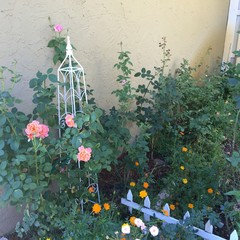
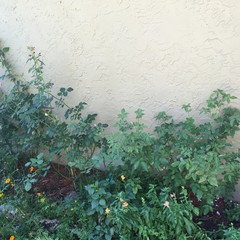
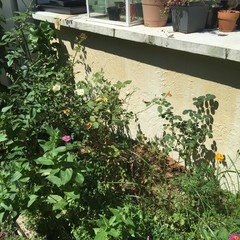
    One thing that has worked wonders in my garden was planting my roses against the house where they get covered by the small eve of the roof. They still get plenty of sun, but only get wet in the windiest of storms. It also seems to protect them from the morning dew a bit. This is complete luck on my part. I just noticed my "wall roses" get MUCH LESS black spot. I also noticed they get less condensation in the morning and less rain on the leaves etc so just a thought.

  • 11 years ago

    Photos: see the wall roses and how healthy they are

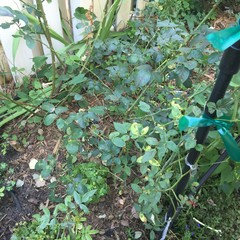
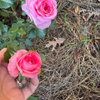
    Compared to the non-wall roses...dismal


  • 11 years ago

    Yes I realize that last pic is next to a wall, but it's a short wall and offers no eve or protection.

  • 11 years ago

    SoFl, that's interesting. Blackspot spores require prolonged wetting to germinate, so protection from rain via an overhang can largely eliminate blackspot. On the other hand, it can cause severe problems with spider mites. Apparently not for you, though.

  • 11 years ago

    lets hope it stays that way. Lol

  • 11 years ago
    last modified: 11 years ago

    Thanks to everyone for the education. I'm going to look into some alternatives to my oil spray. I've been using it to try to control the cercospora on my hydrangea as well - it will have lost all its leaves by July and won't bloom at all if I don't get that under control ... Perhaps one of the other recommendations would be better for that as well.

    I really don't have many other garden issues, not much problem with bugs, slugs, etc. - there are some but not so many that they do tons of damage. Maybe I just have plenty of the good bugs to keep things balanced.

    Anyway, I guess if fungus is my only significant problem, I'm happy. And I'm grateful for the education y'all have shared.

  • 11 years ago
    last modified: 11 years ago

    I also agree on using Bayer, Spectracide Immunox is also good but it's hard to find. I have tried potassium bicarbonate and soap in a spray bottle with limited success, it works well on PM though. BS is most active in high humidity and temps between 65-80F, when the temps get to 85F it goes dormant. It only takes 7 hours for the spores to germinate, that's why it's best to spray right after it rains.

    Black Spot

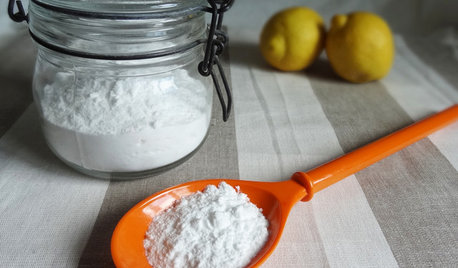
    BTW: potassium bicarbonate is non-toxic so it's safe to use on fruits and vegetables.

  • 11 years ago

    Ok I guess I will return the horticultural/sulphur back to the store then. I have not been using anything for years but thought I try something this year. Thanks for the info.