

Soil for raised bed citrus?
11 years ago
Sort by:Oldest
Comments (4)
Related Stories

GARDENING GUIDESGrow a Beautiful Garden in Alkaline Soil
Got alkaline soil? Learn how to manage it and the many beautiful plants that will thrive in this ‘sweet’ soil
Full Story
GARDENING GUIDES10 Solutions for Soggy Soil
If a too-wet garden is raining on your parade, try these water-loving plants and other ideas for handling all of that H2O
Full Story
GARDENING GUIDESHow to Pick a Mulch — and Why Your Soil Wants It
There's more to topdressing than shredded wood. Learn about mulch types, costs and design considerations here
Full Story
GARDENING GUIDESGardening Solutions for Heavy Clay Soils
What’s a gardener to do with soil that’s easily compacted and has poor drainage? Find out here
Full Story
FARM YOUR YARDHow to Get Good Soil for Your Edible Garden
The nutrients in your soil feed the plants that feed you. Here are tips on getting it right — just in time for planting season
Full Story
GARDENING GUIDESHow to Stop Worrying and Start Loving Clay Soil
Clay has many more benefits than you might imagine
Full Story
GARDENING GUIDESThe Poop Scoop: Enrich Your Soil With Good Old Manure
Get over the ick factor already — this natural super-ingredient for soil has so many benefits, you'll wonder why you ever went chemical
Full Story
GARDENING GUIDESGet the Dirt on Your Garden’s Soil
Understand how your soil supports your plants so you can ensure your garden’s success
Full Story
GARDENING GUIDESHouzz TV: Make a Worm Bin for Rich Soil and Happy Plants
A worm-powered compost bin that can fit under a sink turns food scraps into a powerful amendment for your garden. Here’s how to make one
Full Story
GARDENING GUIDESGardening Solutions for Dry, Sandy Soils
Has your desert or beachy site withered your gardening creativity? Try these ideas for a beautiful, easy-care landscape
Full Story
Sponsored
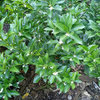
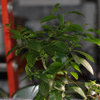
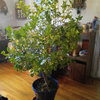
BarbJP 15-16/9B CA Bay Area
UserOriginal Author
Related Professionals
Ocala Landscape Architects & Landscape Designers · Florence Landscape Architects & Landscape Designers · Owensboro Landscape Architects & Landscape Designers · Mankato Landscape Architects & Landscape Designers · Milwaukee Landscape Architects & Landscape Designers · Magog Landscape Architects & Landscape Designers · Savannah Landscape Contractors · New Haven Landscape Contractors · Yuba City Landscape Contractors · Joplin Home Builders · Zanesville Home Builders · Corpus Christi Home Builders · Yuba City Home Builders · Saint George Home Builders · Helena Home BuildersUserOriginal Author
BarbJP 15-16/9B CA Bay Area