Software
Houzz Logo Print
segbert3

Shade Gardening

11 years ago

We are planting our very first garden from scratch. We want to plant all perennials that are shade tolerant (filtered sun ~5-6 hrs per day) and hardy (we have a large dog too!). A few we have looked at are hostas, ferns, azalias, lenten rose, cranesbill geraniums, hydrangea to name a few. Any recommendations and best places to buy would be greatly appreciated. Thank you!

Comments (19)

  • 11 years ago

    In the shaded areas of my yard, I've had good luck with Nandinas, Turk's Caps, Hostas, and Lilly Turf.

  • 11 years ago

    What part of Texas? East, Central, South, Coastal, Panhandle, or West?

  • 11 years ago

    North- live in the DFW area .

  • 11 years ago

    Dang, I knew you were going to say Dallas. :) I wish I knew more about that area. I would check the Lady Bird Johnson Wildflower NPIN database. That's the ultimate source I always turn to when in doubt.

  • 11 years ago
    last modified: 11 years ago

    Yes - if you start on the LBJWC Texas-North Central Recommended list, you can select light requirements (or other factors) and the site will stay within the initial collection even though our region itself can no longer be selected or shown through the filters. That's how it currently works, anyway... will likely change again with some future update. A lot of what we grow in Dallas is on that list.

    Azaleas, hydrangeas (including oakleaf), and some ferns do best in soil that is a bit more acidic/neutral than the slightly alkaline clays found around much of Dallas. Some cultivars do fine here and are even recommended by local botanical/arboretum folks, but will need more bed prep than native or well adapted plants with a tolerance for the higher pH blackland prairie clay. The reblooming Encore azaleas are popular and believe their grower's bed prep instructions for acid favoring plants in north central Texas are among the best - I'd ignore other sites that suggest the native soil should not be mixed in with the amendments. We're on a hill, so their recommendation to raise the soil 15" for drainage is not needed by the folks growing them on our block, but might be an issue if your lot does not have much slope.

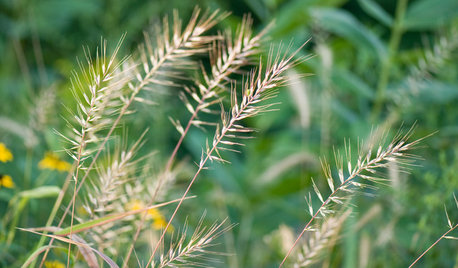
    Most of the plants on jolenaweb's linked list do well in Dallas with much less bed preparation, in fact we're growing at least ten of them. Probably wouldn't have a Dallas shade garden without the columbines (especially the yellow) and pigeon berries.... or Turk's cap, American beauty berry, and inland sea oats where there is room. The purple leaf cultivars of lyre leaf sage are especially nice for some additional year-round color. Texas Betony (Stachys coccinea) is another of our favorites for partial shade that is not on that list.

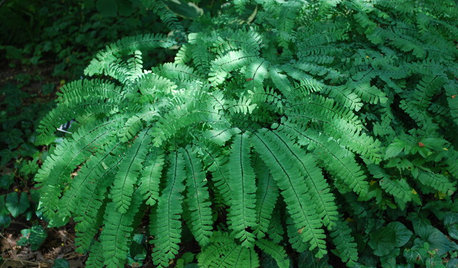
    A good set of the best ferns for the area can be found at the start of this Steve Huddleston presentation. Huddleston is the senior horticulturist at the FWBG and has a good book on the best plants for north central Texas - Dallas public library has a copy.

  • 11 years ago
    last modified: 11 years ago

    I am going to keep my mouth shut because I am not from your area and I look at the plants that you listed as soon to be dead plants in my area. I did grow Oakleaf Hydrangia in my Austin yard successfully. I have never lived in Blackland Prairie clay. I was right on the Balcones Fault when I lived in Austin so it was close. One should be cognizant in this wet year that water rationing will be back if it is gone now. Austin just got reduced to Stage 2 from Stage 3. It is a fact of life here and many of the plants listed on your list will need routine deep irrigation even in a wet summer..

  • 11 years ago

    To follow up on Wantonamara's comment, I would just recommend sticking with plants native to the Dallas area. They will be guaranteed to grow better than anything else. Texas native plants have been surviving droughts and storms for thousand of years and they know what to do. They will also help wildlife which is in danger of disappearing.


    As for xeriscaping, it all depends on your property. Some properties are located at bottoms of hills or near creeks. Some divert tons of rainwater from their roofs and driveways and the neighboring streets into their yards. You'll have to look closely to see how damp your soil is and whether you're looking for a cactus or a water lily.

  • 11 years ago
    last modified: 11 years ago

    Should you decide on wood ferns or inland sea oats, I have some plants to share. I live in Copper Canyon which is north of Dallas and south of Denton.

  • 11 years ago

    I am not a purist about Natives but it is a good place to start and there are many well adapted non natives that are not invasive. There lies the type rope walk that we dance.

  • 11 years ago

    I would like to add that these wood ferns are native. I grew up in a rural area east of Austin. For a number of years a peat bog was harvested for commercal use, and the little company operated out of my home town. These ferns grew along the banks of the peat area and are quite beautiul, although they do spread. When I moved some with me some 23 years ago to the property I now live on, I had no shade and this was the middle of June. I planted them in full sun and much to my surprise, not only did they survive, but also spread................so they adapt easily. I now have them in both sun and shade.

  • 11 years ago

    I just heard quoted today that 90% of insects that subsist on plants can only eat native plants. I've also read that 95% of North American birds raise their young insects. And since the Bumblebee collapse, we know that 90% of plants need a pollinator to reproduce.

    Basically, native plants, insects, other animals, soil chemistry, air quality, water, and climate are all tied together like a tangled web. Once you start plucking pieces out of it, it all starts falling apart.

  • 11 years ago

    Bumble bees love my Salvia chiquita and I think that is a South american salvia. The scout butterflies adore KR bluestem ( from Eurasia)I still don't like it. I am wary of absolutist statements on the web.

    " I've also read that 95% of North American birds raise their young insects."??????? what does this mean?

    @Carrie. The southern shield fern is tough fern. so is the Wavy cloak ferns. The chelanthes family has several interesting species in it.

    http://www.wildflower.org/plants/result.php?id_plant=THKU

    http://www.wildflower.org/plants/result.php?id_plant=ASSI9

    http://www.wildflower.org/plants/result.php?id_plant=CHLA2


  • 11 years ago
    last modified: 11 years ago

    Well... suppose it's fair that an oblique reminder of our "water hog" reputation should come from a person living off of collected rain water. :-)

    As folks have been forced to harden their lawns and landscaping due to the recent watering restrictions, another change that has been afoot is the step up in drip watering systems installed to stabilize slab (foundation) movement on our clay soils. Far from a trend yet, but likely much more common in years ahead - and more effective/efficient as better sensors and zoning are incorporated. A side effect is that the foundation beds are able to support plants with moderate water needs and have heard they may even become too moist for more xeric plantings. Our neighbors grow beautiful mophead hydrangeas (among their native columbines) off of their foundation irrigation on the well shaded north side of their house. I would invest hours only to watch them die, so know better than to even try - but appreciate that they can grow them.

  • 11 years ago

    See Tallamy's books and research on the link between native plants, insects, and birds.

  • 11 years ago

    Guilty as charged about the rainwater. I am not calling y'all water hogs! I was just trying to say that if one is planning a garden, one has to also plan for water rationing and what that means wherever you are. It is best to plan for it at the beginning of the process. I am heartened by what I see happening in Austin and San Antonio. I have not been to Dallas and would have nothing to compare it to. I think the hardening of our yards have brought new realities to the whole environment of the yard. Out west in western urban areas, some people are all alarmed at the huge negative influence that all the gravel mulched yards are having on the Urban tree canopy. I think High Country Gardens has an article on it. It is interesting to learn about the drip irrigation of the slab. (I guess, no one is having to do that right now.) I have a wet zone myself . It is where the greywater comes out. Zonal gardening planning is what xeriscaping is all about.

  • 11 years ago
    last modified: 11 years ago

    Wantonamara, Agree future water scenarios are always good to consider before planting in Texas. Wish we had a conversation about them back when we first planted our fence, pool, and alley beds.... and possibly avoided much of their reworking through the dry years since the 2011 blast furnace.

    "Moisture equilibrium" under and around foundations in Texas clay is not a new issue, but seems most recent coverage has been in (foundation/irrigation) marketing and news fluff pieces inspired by the drought. A decent layperson's overview of the factors and locations in Texas is: Maintenance of Existing Foundations on Expansive Clay Soils.

  • 11 years ago

    Definitely 2011 was a great wake-up call to all of us in Texas that we can never take water for granted again. I've never seen things the same since. Hopefully California is learning from their experience now, too.

Sponsored
River Mill Construction
Average rating: 5 out of 5 stars2 Reviews
Delaware County's Customer Focused General Contractor