

Can Bug-On-Bug Violence Protect Crops Without Collateral Damage?
11 years ago
Sort by:Oldest
Comments (5)

Related Stories

GARDENING AND LANDSCAPINGBid Bad Garden Bugs Goodbye and Usher In the Good
Give ants their marching orders and send mosquitoes moseying, while creating a garden that draws pollinators and helpful eaters
Full Story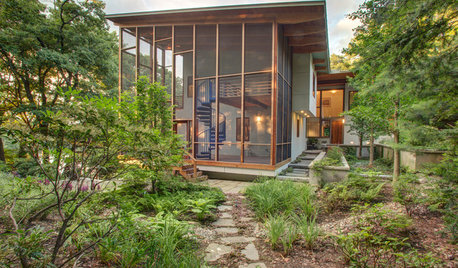
GARDENING AND LANDSCAPINGBreezy and Bug-Free Modern Porches
Screening keeps pests out of these diverse porches across the U.S., while thoughtful designs keep them visually appealing
Full Story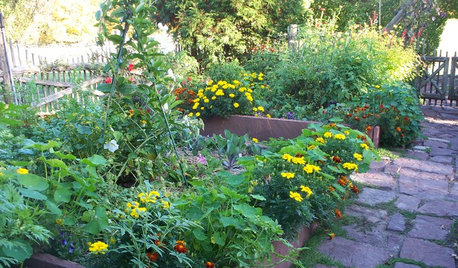
GARDENING GUIDESOrganic Matters: Thwart Insect Pests With Trap Crops
Add a few sacrificial plants to your garden to lure insects away from the harvest
Full Story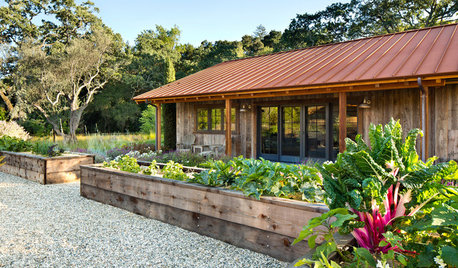
EDIBLE GARDENSHow to Grow Your Own Sweet Summer Crops
This guide will help any gardener get started on growing the freshest warm-season veggies and berries for summer
Full Story
EDIBLE GARDENSSummer Crops: How to Grow Squash
Almost foolproof and with cheerful flowers, squash comes in a wide range of varieties to plant in spring
Full Story
DECORATING GUIDES12 Ways to Cool Your Home Without Air Conditioning
If your summer energy bill is leaving you hot under the collar, consider these savvy alternate strategies for cooling down
Full Story
LIFEThe Polite House: How Can I Kindly Get Party Guests to Use Coasters?
Here’s how to handle the age-old entertaining conundrum to protect your furniture — and friendships
Full Story
UPHOLSTERYThe Perks and Perils of Reupholstering Old Furniture
Secondhand upholstered pieces can add character to a room, but beware of bugs, snakes and hidden costs
Full Story
PETS5 Finishes Pets and Kids Can’t Destroy — and 5 to Avoid
Save your sanity and your decorating budget by choosing materials and surfaces that can stand up to abuse
Full Story
LIFEHow Your Landscaping Can Keep Burglars Away
Prevent home break-ins with strategic landscaping and good practices instead of menacing — and maybe less effective — measures
Full Story
seamommy
User
Related Professionals
Baltimore Landscape Architects & Landscape Designers · Kansas City Landscape Architects & Landscape Designers · Riverside Landscape Architects & Landscape Designers · Bozeman Landscape Architects & Landscape Designers · Medford Landscape Architects & Landscape Designers · Salt Lake City Landscape Architects & Landscape Designers · Hagerstown Landscape Contractors · Sedalia Landscape Contractors · Grand Forks Landscape Contractors · Scranton Landscape Contractors · Colorado Springs Landscape Contractors · New Braunfels Stone, Pavers & Concrete · Edison Stone, Pavers & Concrete · Phoenix Stone, Pavers & Concrete · Cornwall Stone, Pavers & Concretebostedo: 8a tx-bp-dfw
Cosmo
s8us89ds