

Pollinators in the garden!
11 years ago
Featured Answer
Sort by:Oldest
Comments (13)
 11 years ago
- 11 years ago
Related Professionals
Selma Landscape Architects & Landscape Designers · Fort Smith Landscape Architects & Landscape Designers · Poughkeepsie Landscape Architects & Landscape Designers · Missoula Landscape Architects & Landscape Designers · Honolulu Landscape Architects & Landscape Designers · Montgomery Landscape Contractors · Saint Marys Landscape Contractors · Tucson Landscape Contractors · Augusta Flooring Contractors · Bowling Green Flooring Contractors · Lexington Flooring Contractors · Norfolk Flooring Contractors · Scranton Flooring Contractors · Oxnard Flooring Contractors · Edmonton Flooring Contractors 11 years agolast modified: 11 years ago
- 11 years ago
 10 years ago
- 10 years ago
- 10 years ago
- 10 years ago
- 10 years agolast modified: 10 years ago
- 7 years agolast modified: 7 years ago
- 7 years ago
- 7 years ago
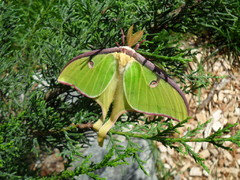
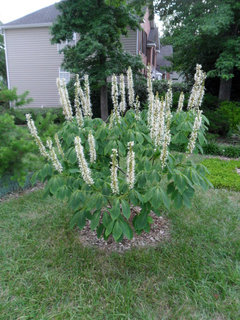
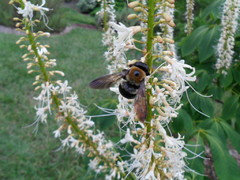
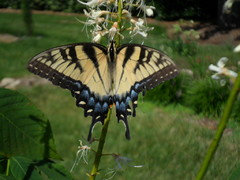
Related Stories
NATIVE PLANTSPlant These Fall-Flowering Natives in Early Summer for Pollinator Love
These 3 groups of plants will support masses of beneficial insects come autumn
Full Story
GARDENING GUIDESGreat Design Plant: Heliopsis Helianthoides, a Pollinator Favorite
Plant smooth oxeye in eastern U.S. gardens for its bright, sunny flowers and upright form
Full Story
FLOWERS AND PLANTSCalico Aster Is a Shade-Loving Pollinator Nirvana
Plant Symphyotrichum lateriflorum, an eastern U.S. native, in summer for fall blooms that scores of wildlife species will love
Full Story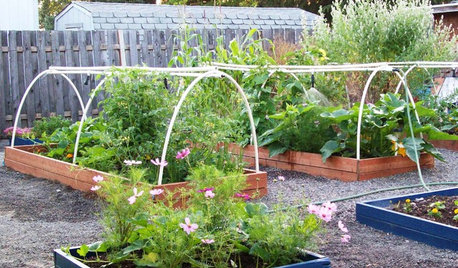
BENEFICIAL INSECTSAttract Pollinators for a Productive Edible Garden
You can lure bees, butterflies and birds into your yard with the right flowers and nesting spots
Full Story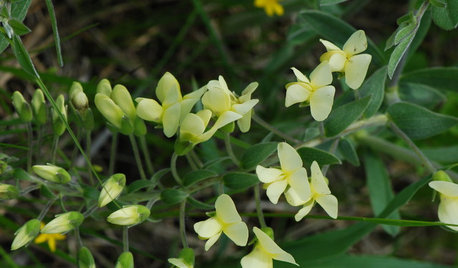
FLOWERS AND PLANTSPlant Baptisia Bracteata for Blooms Pollinators Will Love
Longbract wild indigo is great in dry soil, and its spring flowers attract butterflies and bumblebees
Full Story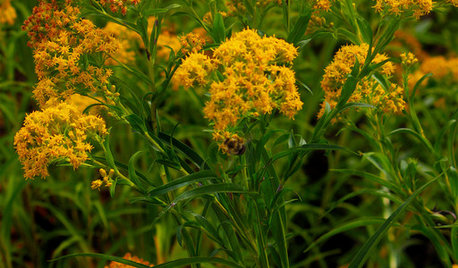
FLOWERS AND PLANTSThis Sunny Yellow Flower Helps Fall Pollinators and Landscapes
Oligoneuron riddellii’s distinct grass-like leaves and bright flowers jazz up the garden in the upper Midwest and Central Plains
Full Story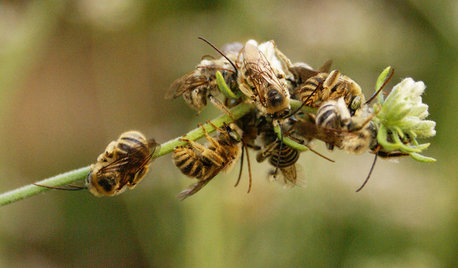
GARDENING GUIDESGreat Design Plant: California Buckwheat Pleases Pollinators
Beneficial insects go wild for this drought-tolerant plant’s summer flowers, while seed heads feed critters foraging in the cold
Full Story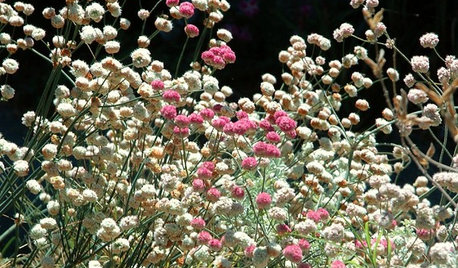
GARDENING GUIDESGreat Design Plant: Eriogonum Nudum, a Summer Oasis for Pollinators
Naked buckwheat is a bee and butterfly magnet with an easy nature, a tough constitution and profuse pom-pom flowers in summer
Full Story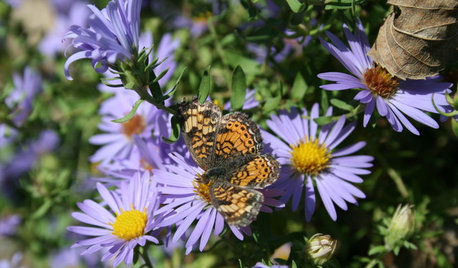
GARDENING GUIDESGreat Design Plant: Smooth Aster, the Wonder Pollinator
An insect nirvana with lovely near-blue petals, this low-maintenance aster strives to please
Full Story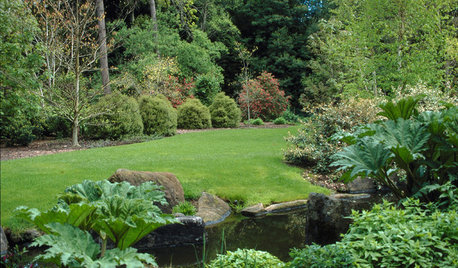
GARDENING GUIDESYou Don't Need Prairie to Help Pollinators
Woodlands, marshes, deserts — pollinators are everywhere
Full Story
trianglejohnOriginal Author