

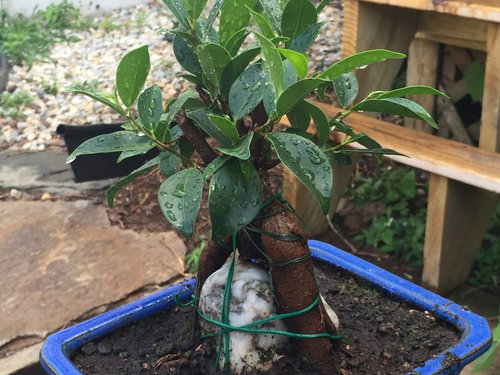
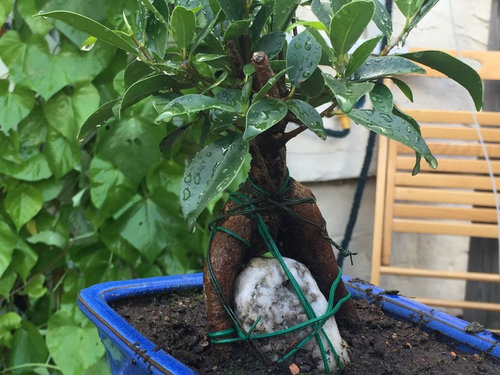
Ficus bonsai tree
11 years ago
Sort by:Oldest
Comments (5)
Related Stories

ARTThe Beauty of Bonsai — Living Art, Rooted in Harmony
Create your own emblem of nature's balance with an art form dating back 1,000 years
Full Story
HOUZZ TOURSHouzz Tour: Eclectic Chilean Home Embraces Trees
Ficus trees star in the interior courtyard of this Santiago house, which celebrates its design history, quirks and mix of styles
Full Story
SIDE YARD IDEASNarrow Trees for Tight Garden Spaces
Boost interest in a side yard or another space-challenged area with the fragrance and color of these columnar trees
Full Story
GARDENING GUIDES5 Best-Behaved Trees to Grace a Patio
Big enough for shade but small enough for easy care, these amiable trees mind their manners in a modest outdoor space
Full Story
Rooting for Indoor Trees
Houseplants tend to get all the glory indoors, but trees deserve their place in the sun — and in your living room, your entryway, your ...
Full Story
HOUSEPLANTSSee How Fiddleleaf Fig Trees Can Liven Up Your Decor
The tropical houseplant with big green leaves adds a cheerful and striking design element to rooms
Full Story
HOLIDAYS10 Ways Your Christmas Tree Can Live On After the Holidays
Learn how to recycle your Christmas tree and reap benefits for the environment
Full Story
TREESHow to Use Trees Inside
Bring nature close by integrating the beauty of trunks and trees — even smaller leafy trees — into your home
Full Story
SPRING GARDENING7 Spectacular and Practical Spring-Flowering Trees
Put on a beauteous show in the garden with a landscape tree awash in flowers — just do your homework first
Full Story
FARM YOUR YARDIf You Have Room for Only One Fruit Tree ...
Juice up a small garden with one of these easier-care or worth-the-effort fruit trees for a mild climate
Full Story
Sponsored
breathnez
tapla (mid-Michigan, USDA z5b-6a)
Related Professionals
Montgomery Landscape Architects & Landscape Designers · Cherry Hill Landscape Architects & Landscape Designers · Chico Landscape Architects & Landscape Designers · Dalton Landscape Contractors · Lexington Landscape Contractors · Athens Landscape Contractors · Philadelphia Landscape Contractors · Houston Landscape Contractors · Grand Island Landscape Contractors · Portland Landscape Contractors · Kahului Landscape Contractors · Terre Haute Custom Closet Designers · Toms River Custom Closet Designers · Killeen Custom Closet Designers · Lagrange Custom Closet Designersken_gray8721Original Author
tapla (mid-Michigan, USDA z5b-6a)
ken_gray8721Original Author