

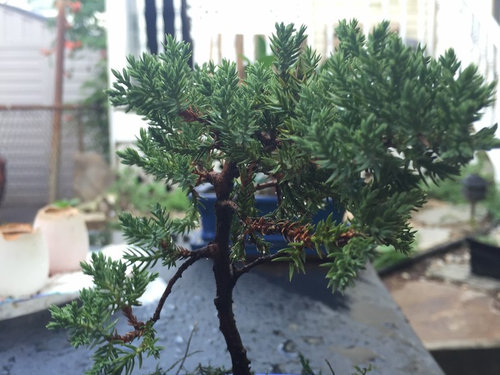
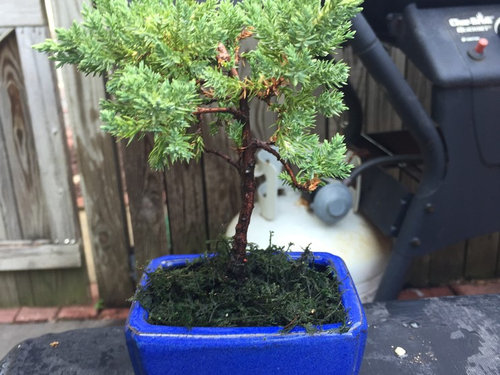
Japanese Juniper wiring
11 years ago
last modified: 11 years ago
Sort by:Oldest
Comments (3)
Related Stories
PLANTING IDEASThese Aren’t Your Grandparents’ Junipers
Dislike junipers? Maybe it’s time to discover new varieties and new uses for this garden workhorse
Full Story
GARDENING GUIDESGreat Design Plant: Creeping Juniper Holds Its Ground
Add texture and evergreen interest to a layered garden with this low-maintenance, good-looking ground cover
Full Story
FURNITUREModern Icons: The Eames Wire Base Table
Simple modern table is light and versatile enough for every room in the house
Full Story
GARDENING GUIDESGreat Design Plant: Juniperus Squamata ‘Blue Star’
Need some blues in your garden? Discover Blue Star juniper
Full Story
GARDENING GUIDESGreat Design Plant: Juniperus Conferta ‘Golden Pacific’
‘Golden Pacific’ shore juniper shines in sun or partial shade
Full Story
ARTThe Beauty of Bonsai — Living Art, Rooted in Harmony
Create your own emblem of nature's balance with an art form dating back 1,000 years
Full Story
GARDENING GUIDES5 Best-Behaved Trees to Grace a Patio
Big enough for shade but small enough for easy care, these amiable trees mind their manners in a modest outdoor space
Full Story
GARDENING GUIDES8 Deer-Resistant Elegant Evergreen Shrubs to Plant This Fall
Who knew that such beautiful shrubs could be deer-resistant?
Full Story
PLANTING IDEASStretch the Budget, Seasons and Style: Add Conifers to Your Containers
Small, low-maintenance conifers are a boon for mixed containers — and you can transplant them to your garden when they’ve outgrown the pot
Full Story
GARDENING GUIDESGreat Design Plant: Strawberries for All Seasons
An edible carpet? It's possible with a mass planting of this tough ground cover
Full StorySponsored

Columbus Design-Build, Kitchen & Bath Remodeling, Historic Renovations
tapla (mid-Michigan, USDA z5b-6a)
ken_gray8721Original Author
Related Professionals
Cape Coral Landscape Architects & Landscape Designers · Panama City Landscape Architects & Landscape Designers · Savannah Landscape Architects & Landscape Designers · Bakersfield Landscape Architects & Landscape Designers · Mission Viejo Landscape Architects & Landscape Designers · Toronto Landscape Architects & Landscape Designers · Athens Landscape Contractors · Marietta Landscape Contractors · Portland Landscape Contractors · Cowansville Landscape Contractors · New Orleans Custom Closet Designers · Georgetown Custom Closet Designers · Kankakee Custom Closet Designers · Clearlake Custom Closet Designers · Calgary Custom Closet Designerstapla (mid-Michigan, USDA z5b-6a)