

Finally, Black Swallowtail!
11 years ago
Sort by:Oldest
Comments (11)
Related Stories
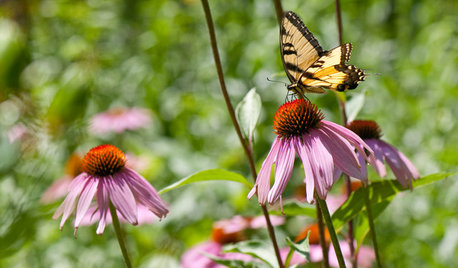
GARDENING GUIDESEntice Eastern Tiger Swallowtails With Summer Flowers
Grow nectar-rich native bloomers and larval host plants for these endearing butterflies
Full Story
COLOR10 Pair-Ups for Black in the Kitchen
Combine black with other colors to add drama, polish and modernity. It also can make a kitchen look more spacious
Full Story
COLORWake Up Your Woodwork With Black
Strike a dramatic note with black window frames, shelves, stairs and more, making features stand out or blend in
Full Story
COLOR11 Reasons to Paint Your Ceiling Black
Mask flaws, trick the eye, create drama ... a black ceiling solves a host of design dilemmas while looking smashing
Full Story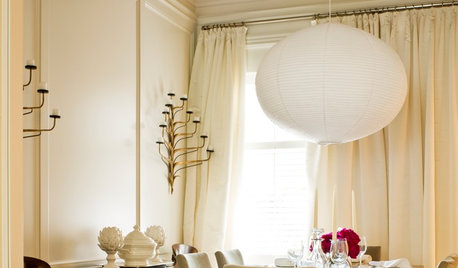
COLOREvery Room Needs a Little Bit of Black
‘I’ve been 40 years discovering that the queen of all colors was black.’ — Pierre-Auguste Renoir
Full Story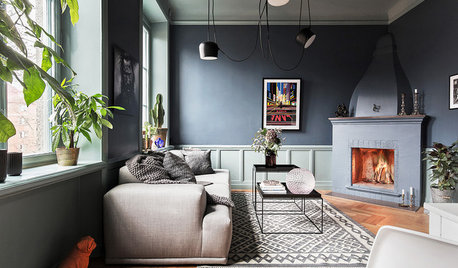
DECORATING GUIDESWhat Goes With Black Walls?
Once seen only in teenagers’ bedrooms, black these days is chic and showing up everywhere. Learn which colors are its perfect partners
Full Story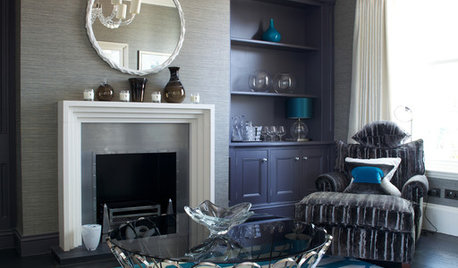
FLOORSDrama’s Afoot With Striking Black Floors
Be bold. Be brave. Drench your floors in black for a memorable interior scene
Full Story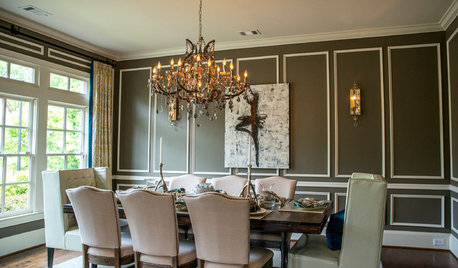
BLACKHow to Decorate With Brown, Black — or Both
Black is best for engineered materials; brown works great for textures — and more designer tips for working with these two classic colors
Full Story
EXTERIOR COLOROn Trend: Bold and Black Exterior House Color
All-black and coal-gray exteriors make a nonconformist statement on homes of any style and size
Full Story
KITCHEN DESIGN10 Smashing Black Kitchens
Looking for something different from an all-white kitchen? Think about going stylishly dark instead
Full Story
Sponsored
Tom zone 9b Florida
kaboehm (zone 9a, TX USA)
Related Professionals
Florence Landscape Architects & Landscape Designers · Alexandria Landscape Architects & Landscape Designers · Annapolis Landscape Architects & Landscape Designers · San Marcos Landscape Architects & Landscape Designers · Poughkeepsie Landscape Architects & Landscape Designers · Hudson Landscape Architects & Landscape Designers · Anchorage Landscape Architects & Landscape Designers · New London Landscape Contractors · Albany Landscape Contractors · Oshkosh Landscape Contractors · Dover Home Builders · Tampa Home Builders · Des Moines Home Builders · Amherst Home Builders · Watertown Home BuildersLiz
MissSherry
Tom zone 9b Florida
docmom_gwOriginal Author
docmom_gwOriginal Author
Tom zone 9b Florida
docmom_gwOriginal Author
Tom zone 9b Florida
docmom_gwOriginal Author