Software
Houzz Logo Print
curlyqlou

Abandoned garden beds - need fix up suggestions

11 years ago
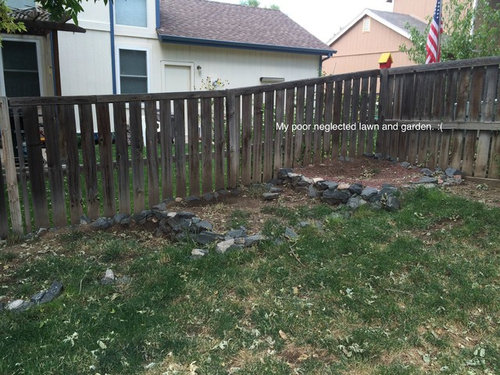
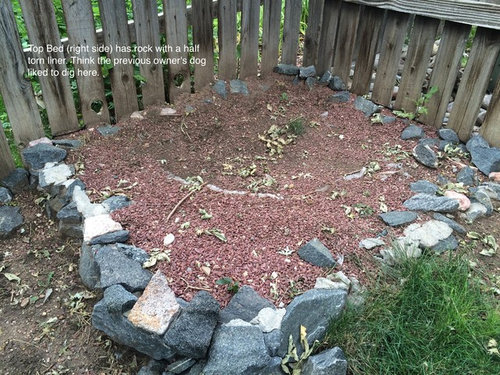
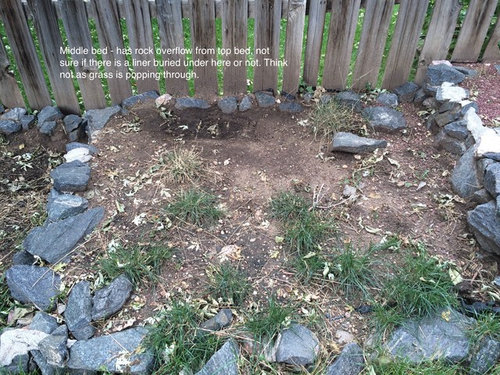
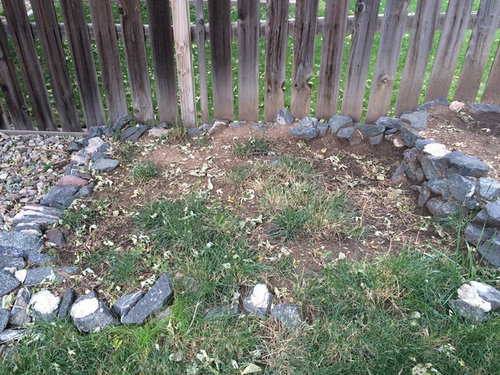
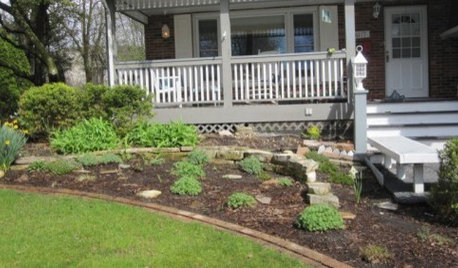
I just bought my first home, and I think it has a lot of potential for great gardening, but some of the garden beds have been sadly abandoned, and are in an awful state of disrepair. There is a 3-section tiered area in a corner of my yard that I'd like to fix up and (hopefully) grow flowers in them. I'm looking for suggestions on what to do to break up and prep the soil (which is very hard), remove the rock mulch (or should I just mix it in?), and wondering if I should build up the rock retainers around them a bit more, or if they are sufficient as-is. The lowest bed (on the left) especially seems to be sprouting a lot of grass from the yard. Obviously, I can remove the grass that's in there, but how do I stop new grass from intruding once I plant my flowers? I considered pulling out all the rock retainer and replacing it with paversnot sure how much work that would be, or if it's even a good idea. Some of the rock retaining walls seem to be plastered together with concrete, but some seems like just loose rock.


These particular beds sit in a fairly shady corner, and I would like to experiment with shade perennials, some of which would be planted this fall, and some next spring. I live in Colorado (zone 5), where there are not a ton of options for shade-loving, flowering perennials. The garden stores here always sell the same stuff, so an online search has led me to Primrose, Helleborus and Himalayan Poppies. I've never planted Helleborus or the Poppies, but they look interesting, and are apparently hardy in a colder climate. Finding a good match for shade vs. sun plants is always a challenge here in Colorado. Since we are at high altitude, even though a plant may not get sun all day, the sunlight it does get is very intense. Many plants that say "full sun" seem to burn out if they really are planted in full sun areas here. I'd be open to other flower suggestions, but not interested in veggies.


Any ideas or suggestions are welcome. Thanks!


Comments (4)

  • 11 years ago

    Disclaimer...I almost always try to do things with minimal environmental impact, but if push comes to shove, I'll bring out herbicides.


    I would suggest treating the area with some cheap clear shampoo (2 TBs per gallon of water) and follow with a good soaking of water. That should loosen the soil enough to allow you to pull the grass out and fork through to mix the soil. I would also live with the beds 'as is' for a year to see if I actually want flower gardens in this area of the yard. Maybe just neaten the area by stacking the loose stone back into a wall until. Amend with a few bags of good compost per bed and resign yourself to manually pulling the grass that sprouts up. As for leaving the gravel or removing it, it depends on how much is there. I would be comfortable with leaving an inch of gravel mixed in with the native soil and amendments, but would consider much more than that as too much unless I planned and alpine type garden.


    I can't begin to advise on plant choices, our climates are just too different.

  • 11 years ago

    I would certainly remove as much of the stone edging/retaining wall as possible and reset after weeding and cleaning out the beds - it is not well laid and looks extremely haphazard. Unfortunately, a rock border or edging is not all that effective at keeping turf grass from migrating into the planting area. And mixing a lot of different hardscape materials - like using pavers as a border with the rock 'walls' - promotes a rather disjointed and messy appearance as well. You might want to try installing a rigid edging material on the outside (lawn side) of the rocks to prevent this. If installed properly, this sort of edging material is virtually invisible.

    To lighten/loosen your hard soil and encourage better plant growth, I'd also suggest adding a good amount of compost or composted manure to the planting areas.

    That area does not look all that shady to me - what's creating the shade? Something we can't see? Areas that do not receive direct sunlight can still offer a lot of indirect light, which can be quite bright. I'd prefer to reserve many planting suggestions until I knew exactly what kind of shade we are talking about, how long for and from what.

    Forget the poppies. They are only able to grow well in a few isolated locations in the US - Alaska, parts of the PNW and some areas of coastal New England. And even in these select locations, they are not easy plants to grow. They will NOT grow in CO so save your money - they are far too expensive to experiment with! Also, most primroses are water lovers and are best suited to a moist, woodland location close to a water source - doubt they would be happy in CO's summer dryness.

    The hellebores could work. They really do not require heavy shade (actually prefer a bit of early day sun) and are quite drought tolerant once established. Other shade or part shade perennials you could consider are hostas, bleeding heart (Dicentra species), columbine, coral bells (heuchera), campanula, and ferns.

  • 10 years ago

    I would not mix the rock and pavers - if I rebuild these walls I would use all pavers, and get rid of the rock completely. There are some other small beds that are already lined with pavers, so I think it would match better.

    As for shade - there are number of tall trees (which you can't see in the photos) that block the sun from hitting these beds very much. These beds are on the east side of the house, so they get some slight dappled sunlight in the morning, and in the afternoon the house completely shades the area.

    Thanks for the flower suggestions. As for the poppies, I have seeds - not full plants. I'll give 'em a shot, I know they are not likely to do much, but I didn't spend a bunch of money on full plants, so if they don't make it, such is life. I have considered Bleeding Hearts, and do have some Columbine already. Ferns and Hostas don't really interest me - I prefer flowering plants. If I were to go for foliage-only plants, I would probably lean more towards Coleus - I like colorful stuff.

  • 10 years ago

    I'm always amazed that people like your former owner think that a row of rocks will stop the spread of grass. That's like using a tarp full of holes to protect something from the rain. Rocks used that way actually cause more work than they save. There are much better uses for rocks in the garden than edging.

    Mike

Sponsored