

Adding flowers to a grassy slope
11 years ago
Sort by:Oldest
Comments (6)
Related Stories
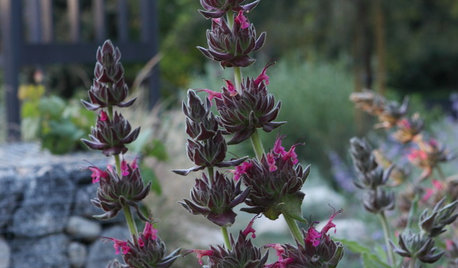
FLOWERS AND PLANTSHummingbird Sage Lures Wildlife With Its Sweet, Fruity Fragrance
This native California ground cover thrives with little water on grassy slopes, under trees or in patio containers
Full Story
LANDSCAPE DESIGN11 Design Solutions for Sloping Backyards
Hit the garden slopes running with these bright ideas for terraces, zones, paths and more
Full Story
GARDENING AND LANDSCAPINGSteeply Beautiful Slope Retention
Don't let things slide or give in to sandbags and cement. These slope retention ideas will keep your landscape hitting the high notes
Full Story
LANDSCAPE DESIGNHow to Design a Great Garden on a Sloped Lot
Get a designer's tips for turning a hillside yard into the beautiful garden you’ve been dreaming of
Full Story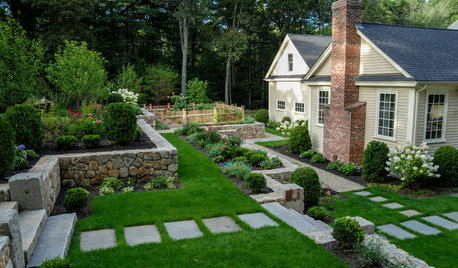
LANDSCAPE DESIGN10 Creative Ways to Work With a Sloped Lot
A slanted yard may be challenging, but it also provides opportunities for beauty and fun
Full Story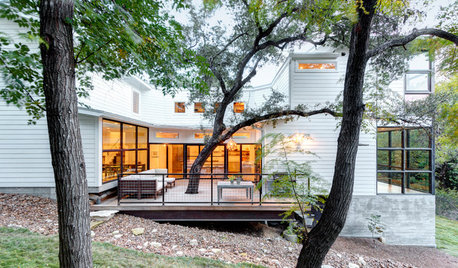
ECLECTIC HOMESHouzz Tour: Problem Solving on a Sloped Lot in Austin
A tricky lot and a big oak tree make building a family’s new home a Texas-size adventure
Full Story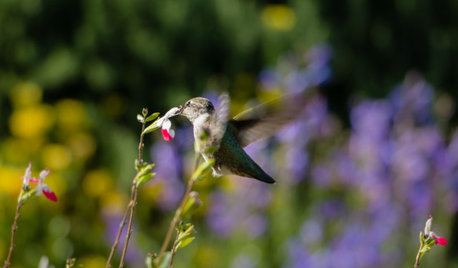
GARDENING GUIDESAttract Hummingbirds and Bees With These Beautiful Summer Flowers
Roll out a welcome mat for pollinators to keep your landscape in balance and thriving
Full Story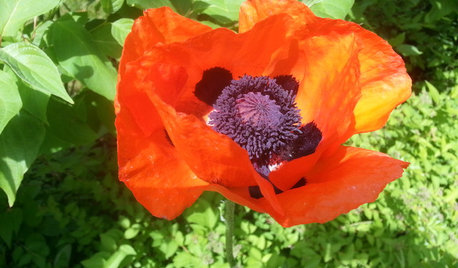
GARDENING GUIDESBeautiful Flowers and Foliage From Dedicated Backyard Gardeners
From lawn daisies to topiaries, Houzz users share their backyard beauties
Full Story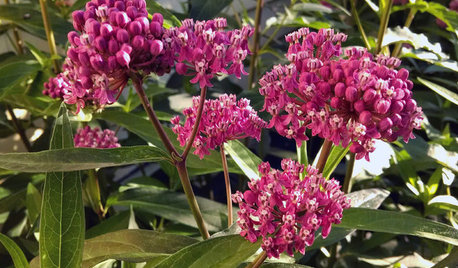
GARDENING GUIDESOh, Deer! 10 Native Flowers That Stand Up to the Herds
Keeping a garden amid hungry deer can be hard, but these plants should fare well
Full Story
GARDENING GUIDESFlower Shows Sow Ideas for Your Garden
There’s much design inspiration to be gathered at garden shows. Here are some ideas to start you off
Full Story
Sponsored
wisconsitom
User
Related Professionals
Daytona Beach Landscape Architects & Landscape Designers · Gainesville Landscape Architects & Landscape Designers · San Francisco Landscape Architects & Landscape Designers · Niles Landscape Contractors · Modesto Landscape Contractors · Valdosta Home Builders · Hays Home Builders · Aberdeen Home Builders · Fort Worth Home Builders · Traverse City Home Builders · Omaha Home Builders · Cleveland Home Builders · Bennington Home Builders · Orange County Home Builders · Spokane Home Builderswantonamara Z8 CenTex
wisconsitom
wantonamara Z8 CenTex
wantonamara Z8 CenTex