

Zucchini stew KILLS!
11 years ago
Featured Answer
Sort by:Oldest
Comments (6)
 11 years ago
- 11 years ago
Related Professionals
Hartford Landscape Architects & Landscape Designers · Albany Landscape Contractors · Sacramento Landscape Contractors · Seattle Landscape Contractors · Tacoma Landscape Contractors · Forrest City Stone, Pavers & Concrete · Little Rock Stone, Pavers & Concrete · Jacksonville Stone, Pavers & Concrete · Memphis Stone, Pavers & Concrete · San Marcos Stone, Pavers & Concrete · Lafayette Stone, Pavers & Concrete · Kearney Stone, Pavers & Concrete · Salinas Stone, Pavers & Concrete · Portland Stone, Pavers & Concrete · York Stone, Pavers & Concrete- 11 years ago
- 11 years agolast modified: 11 years ago
 11 years agolast modified: 11 years ago
Related Stories
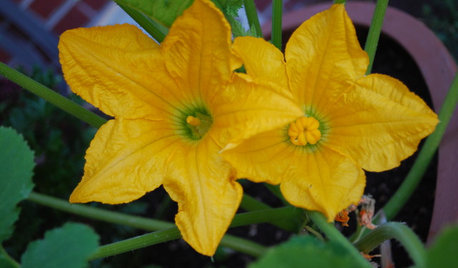
EDIBLE GARDENSSummer Crops: How to Grow Squash
Almost foolproof and with cheerful flowers, squash comes in a wide range of varieties to plant in spring
Full Story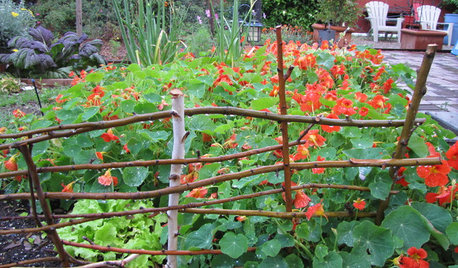
GARDENING AND LANDSCAPINGEdible Flowers Offer a Sweet Taste from the Garden
Flowers that beautify the landscape can also pretty up the plate or sweeten a spread
Full Story
LIFETracing the Deep Roots of Design
Are our design choices hardwired? Consider the lasting appeal of forms from the hunter-gatherer life
Full Story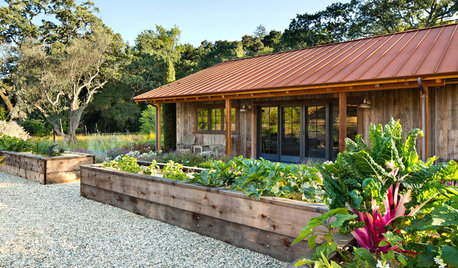
EDIBLE GARDENSHow to Grow Your Own Sweet Summer Crops
This guide will help any gardener get started on growing the freshest warm-season veggies and berries for summer
Full Story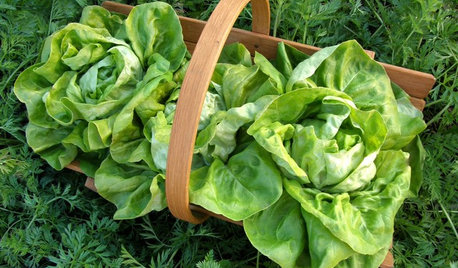
GARDENING GUIDES10 Easy Edibles for First-Time Gardeners
Focus on these beginner-friendly vegetables, herbs, beans and salad greens to start a home farm with little fuss
Full Story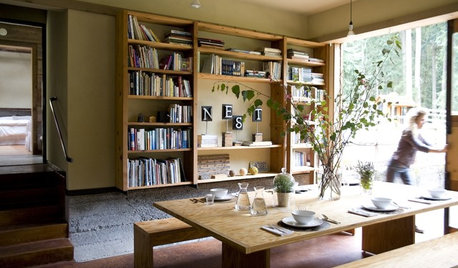
LIFETable Manners for Modern-Day Dining
Elbows and cell phones? Maybe. Forgetting to say 'thank you'? No way. Our mealtime etiquette guide takes the guesswork out of group dining
Full Story
FEEL-GOOD HOMESimple Pleasures: Make Do and Mend
Experience the satisfaction of fixing, repurposing and creating things yourself around the home
Full Story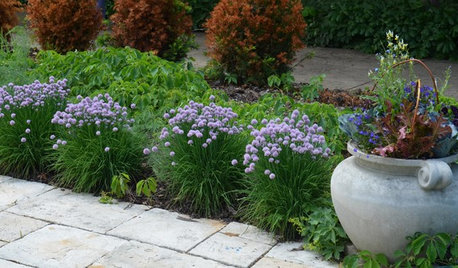
GARDENING GUIDESEdible Plants That Double as Ornamentals
Try growing these tasty plants with your ornamentals for an attractive garden and fresher meals
Full Story
KITCHEN DESIGNHouzz Call: What’s Cooking in Your Kitchen?
Most of us turn to recipes, videos and culinary shows when we cook. Where do you set your cookbook, tablet or TV screen?
Full Story
CURB APPEAL7 Ways to Create a Neighborly Front Yard
Foster community spirit by setting up your front porch, paths and yard for social interaction
Full Story
Sponsored
More Discussions
rgreen48