Software
Houzz Logo Print
leekle2mane

Fungusmungus

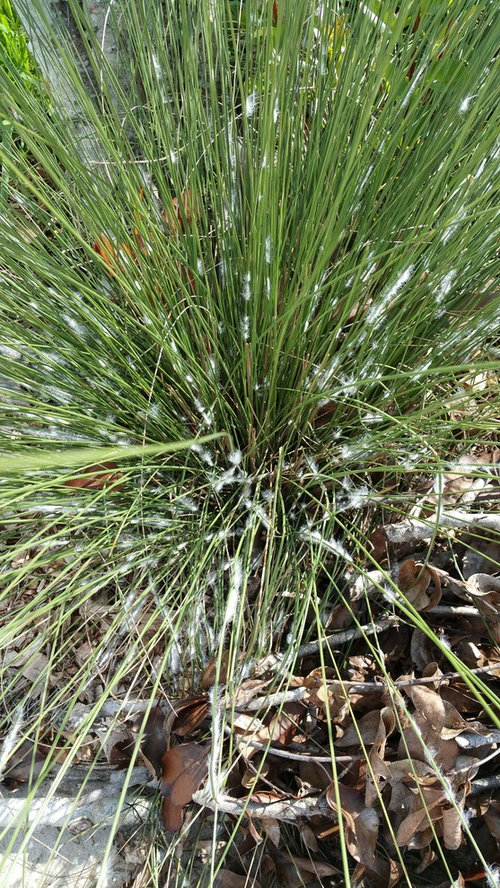
I have something that has been growing on my Muhly grass since spring.
It persists whether the weather is wet or dry. I could just grab my
bottle of neem oil and start spraying, but I would like to know just
what it is I am dealing with here. Is it a fungus or something else? I
will note that all the clumps pictured below have had snails on them
through this year, so perhaps this has something to do with their slime
trails?


Comments (15)

  • 11 years ago

    Hmmmm....I think I'd first try to determine if it's animal or fungal. By animal, I mean some kind of cottony scale insect or something like that. If fungal, well then that is the mycellium we're seeing. Michael, if you run your fingers and thumb along a mass of that stuff, is there squishy stuff inside, as in insect bodies? Or is it all of one substance? If the latter, then it must be a fungal pathogen of some kind. I will say no more as I certainly am no expert on southern ornamental grasses.

    BTW, showing my age here-anyone else remember the kid's card game-Animal, Fish, or Bird?

    +oM

  • 11 years ago

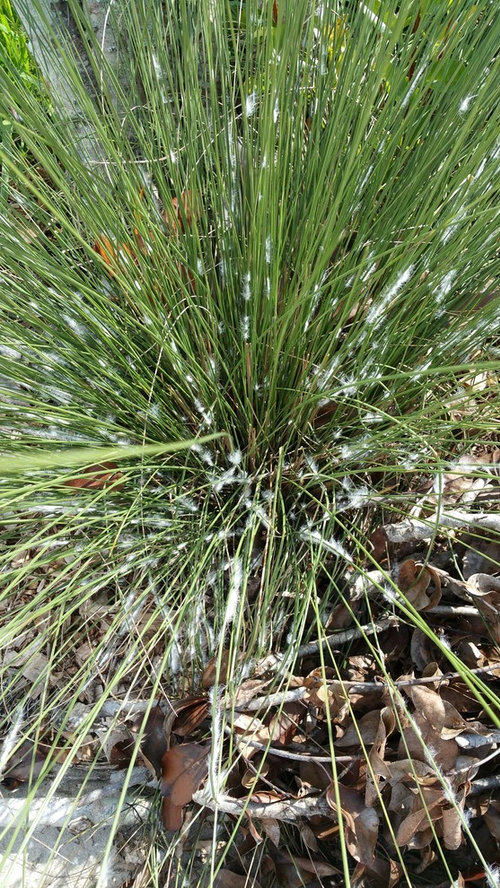
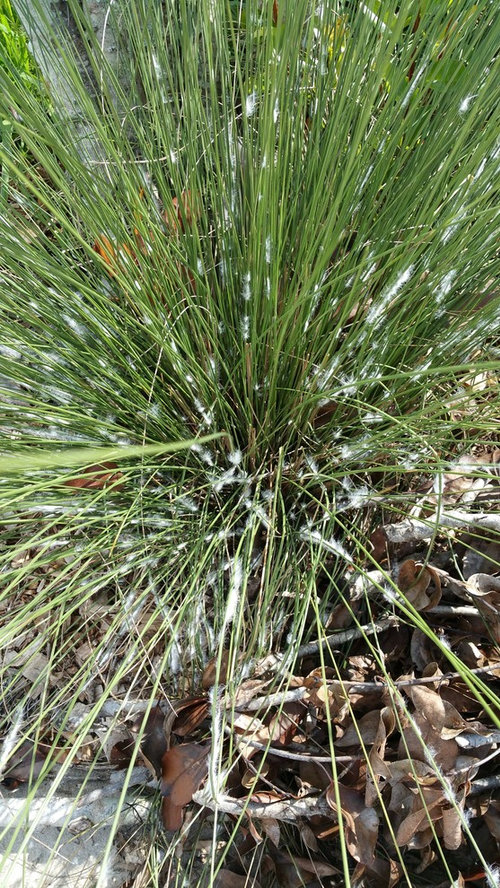
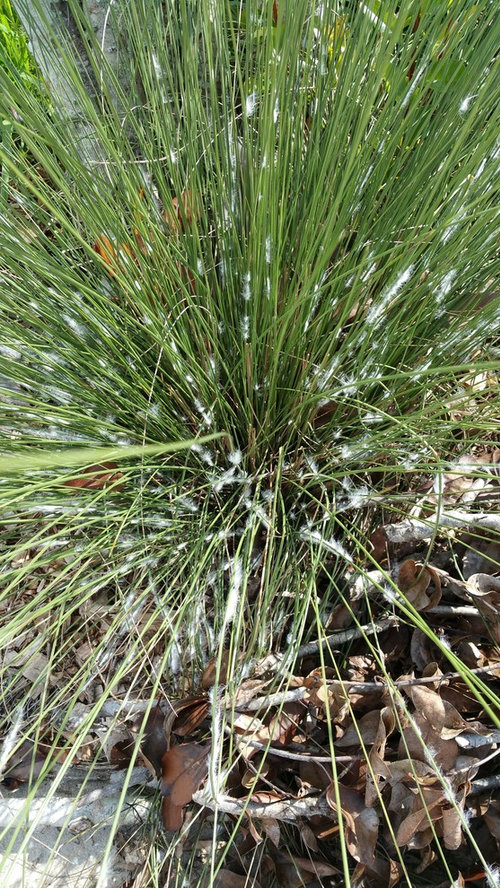
    I just noticed that all four images are the same. When I get home I will have to edit and correct that issue. Apparently uploading multiple images in one go doesn't work well on Houzz.

  • 11 years ago

    Stemmatomerinx acircula is very destructive. It destroyed most of my muhlygrass bed before I was able to eradicate it.

  • 11 years ago

    Malathion is the only answer a couple T, in a tank sprayer add water, may take 2 sprayings depending on weather, like rain etc.

  • 11 years ago

    I get this stuff on my muhly every year. I assumed in was in the scale family. I've never treated it and it has never gotten out of control nor caused death of a plant. I guess if it got too far out of control I would have done something. Good luck with your muhly michael

  • 11 years ago

    I wish aputernut had said malathion was one possible control, rather than the only one. This is surely not so. For that matter, the whole issue with mealy bug and other scale-type insects is delivering the toxic agent to the insects under those cottony or waxy protections. Not a very sophisticated take on things, I'm afraid. And malathion, like all organophosphate insecticides, is a non-discriminatory nerve toxin. If that's your thing, go for it, but I'd sure do some research before buying some of that smelly crap. I'd start by looking into smothering agents like oils, soaps to get the material to penetrate, etc. Not saying that would work-I don't live in FL and certainly don't grow that grass. But there's simply got to be a better way.

    +oM

  • 11 years ago

    Oils and soaps work for a lot of things, but you have to be careful here. Do it on the wrong day and either the sun fries the plant or the rain washes it away before it has had a chance to do it's thing. I have better results from soap and oil in the cooler months. For now I just cut back the grasses by half and put the cut pieces in a bucket of soapy water. And now I am slowly using soap and water to get rid of the rest. I am not big on pesticides when it can be avoided.

  • 11 years ago

    Yes, all pest control products have their idiosyncrasies. That's why it's important to read the label. Even up here, we must also take into account that oils will dissolve the glaucous (waxy) coating on "blue" plants and will cause foliar death if applied under improper conditions. But that is not in any way saying these products are not useful. I should think a careless person could do infinitely more damage with the malathion if they were the type to not bother reading the label.

    BTW, mealy bug is only a greenhouse thing up here. You've just about got to be in the sub-tropics before they start to become outdoor pests. Yuck! I used to really hate dealing with under-glass Ficus, etc. with their loads of mealy bug. One of my all-time least favorite groups of insects.

    +om

  • 11 years ago

    Well, it seems I got some help with controlling my mealybugs over the past couple of days. Whether too hot and sunny or a high chance of rain, I haven't been able to spray with my oil and soap mixture too much. Then this morning, since we had a cold front come through last night, I decided to go out and spray. Only to find about half the mealybugs gone and my Muhly grass peppered with small, brownish ladybugs (about half the size of your standard ladybug). Yay nature.

  • 11 years ago

    Good deal. always wondered what, if any predatory insect would go after mealy. Yuck! and I don't say yuck about very many insect types.

    +oM

  • 11 years ago

    Oils and soaps don't seem to help me much with mealy bugs and scale. Not sure why... I know everyone swears by them on here. But my pests just seem to laugh off the sprays I use, until I finally have to break out something stronger or lose the plant.

    Am I using the wrong kind? I've tried neem oil at various strengths.

  • 11 years ago

    I use Neem Oil and Dawn dish soap (the original blue stuff) and mix the two in a spray bottle. It is not an instantaneous kill, but works at smothering and frying the softer bodied insects. The soap does two things, it helps to break up the chitinous shell of the insect and also acts as a suspension agent (not the word I am looking for, but it helps to keep the oil from just running off). Once the soap penetrates the chitin, the oil seaps in and begins to suffocate the insect. Add some sun and they get cooked as well. But the sun can also cook the plant sprayed with the oil as well if it is too sunny or too hot, so this is best used on cloudy days when chance of rain is low and temps are below 85F.

  • 11 years ago

    And though I mention it is for soft-bodied insects, I have had some luck with it against scale, though I have had to apply multiple times to get rid of them completely, something that is hard to do in summer.

    Here is a link that might be useful: White Oil Recipe

  • 11 years ago

    Thanks! I'll give that a try. I have scale and mealybugs everywhere here, and once I see just a few, within weeks they overwhelm most plants. I've been scraping them off by hand or resorting to neonicotinoids, which I'd rather avoid. Even with those I often softer-stemmed plants to them.

0
Sponsored
AIS Renovations
Average rating: 4.5 out of 5 stars15 Reviews
Custom Craftsmanship & Construction Solutions in Franklin County, Ohio