

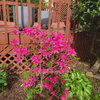
Does your azalea have seedlings growing under and around it?
11 years ago
Featured Answer
Sort by:Oldest
Comments (6)
 11 years ago
Related Professionals
Annapolis Landscape Architects & Landscape Designers · Hagerstown Landscape Architects & Landscape Designers · Dubuque Landscape Architects & Landscape Designers · Brooklyn Landscape Architects & Landscape Designers · Ithaca Landscape Architects & Landscape Designers · Bakersfield Landscape Architects & Landscape Designers · Reno Landscape Architects & Landscape Designers · Birmingham Landscape Contractors · Dayton Landscape Contractors · Los Angeles Landscape Contractors · Oshkosh Home Additions · Platteville Home Additions · Helena Home Additions · Missoula Home Additions · Vernal Home Additions- 11 years ago
- 10 years ago
- 10 years ago
- 10 years ago
Related Stories
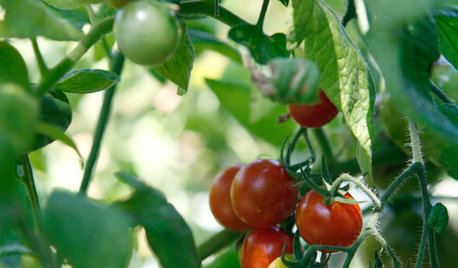
EDIBLE GARDENSSummer Crops: How to Grow Tomatoes
Plant tomato seedlings in spring for one of the best tastes of summer, fresh from your backyard
Full Story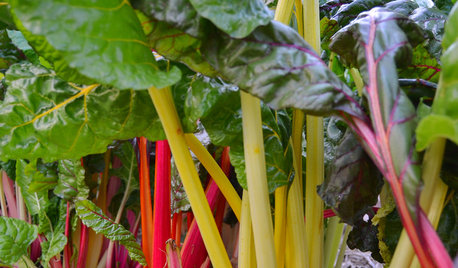
GARDENING GUIDESCool-Season Vegetables: How to Grow Chard
A year-round garden favorite with a colorful stem, Swiss chard comes into its own in early spring and in fall
Full Story
SUMMER GARDENINGHow to Grow Basil
Bright color, quick growth and endless uses for cooking make this summer annual a winner in the garden or a pot
Full Story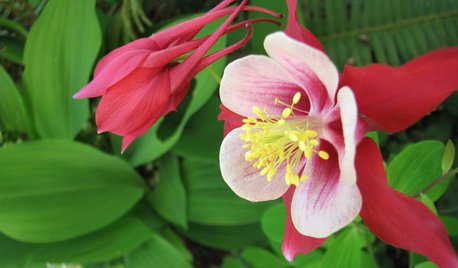
GARDENING FOR BUTTERFLIESGreat Design Plant: Columbine Grows Happily in Shade and Sun
Its ethereal beauty comes from complex forms and wide-ranging colors, but columbine’s benefits are highly attractive too
Full Story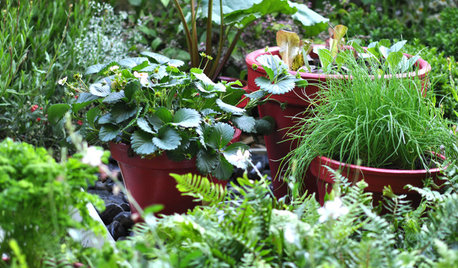
FARM YOUR YARDHow to Grow Vegetables in Containers
Get glorious vegetables and fruits on your patio with a pro’s guidance — including his personal recipe for potting mix
Full Story
WINTER GARDENINGExtend Your Growing Season With a Cold Frame in the Garden
If the sun's shining, it might be time to sow seeds under glass to transplant or harvest
Full Story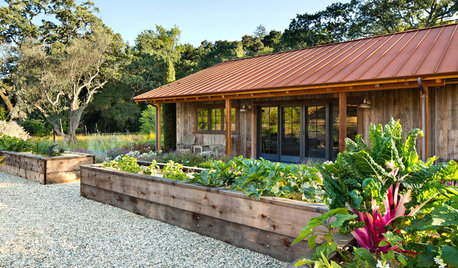
EDIBLE GARDENSHow to Grow Your Own Sweet Summer Crops
This guide will help any gardener get started on growing the freshest warm-season veggies and berries for summer
Full Story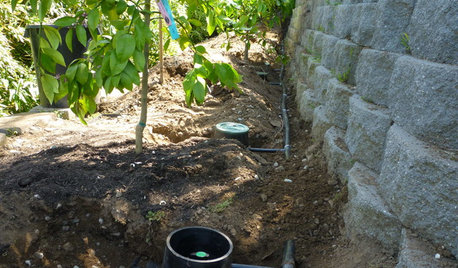
EARTH DAYGrow a Beautiful Garden With Ecofriendly Greywater
Reducing home water waste means lower bills and a healthier planet. Here's how to set up a greywater home irrigation system that can help
Full Story
GARDENING GUIDESGreat Design Plant: Grow Blueberries for Their Fruit and More
Eastern gardeners should consider growing blueberry plants for their delicious fruits, bee-friendly spring blooms and brilliant fall foliage
Full Story
GARDENING GUIDESWhat Kind of Roses Should You Grow?
Want to add the beauty of roses to your garden? Find out which ones, from old-fashioned to modern, are right for you
Full Story
More Discussions
coppice