

Please help, I've never budded a rootstock before...
11 years ago
Featured Answer
Sort by:Oldest
Comments (7)
 11 years ago
 11 years ago
Related Professionals
Tallahassee Landscape Architects & Landscape Designers · Indianapolis Landscape Architects & Landscape Designers · Hannibal Landscape Architects & Landscape Designers · Sacramento Landscape Architects & Landscape Designers · Lafayette Landscape Contractors · Beatrice Landscape Contractors · Salem Landscape Contractors · Cambridge General Contractors · Cape Girardeau General Contractors · Fort Worth General Contractors · South Sioux City General Contractors · Lebanon General Contractors · Oxnard General Contractors · Clovis General Contractors · Chatham General Contractors- 11 years ago
 11 years agolast modified: 11 years ago
- 11 years ago
- 11 years ago
Related Stories
CONTAINER GARDENSPatio-Perfect Berry Bushes Like You’ve Never Seen
Small enough for pots but offering abundant fruit, these remarkable bred berries are a boon for gardeners short on space
Full Story
HOME OFFICESQuiet, Please! How to Cut Noise Pollution at Home
Leaf blowers, trucks or noisy neighbors driving you berserk? These sound-reduction strategies can help you hush things up
Full Story
LIFEYou Said It: ‘I’m Never Leaving’ and More Houzz Quotables
Design advice, inspiration and observations that struck a chord this week
Full Story
DECORATING GUIDESThe Dumbest Decorating Decisions I’ve Ever Made
Caution: Do not try these at home
Full Story
FEEL-GOOD HOME12 Very Useful Things I've Learned From Designers
These simple ideas can make life at home more efficient and enjoyable
Full Story
EXTERIORSHelp! What Color Should I Paint My House Exterior?
Real homeowners get real help in choosing paint palettes. Bonus: 3 tips for everyone on picking exterior colors
Full Story
MOST POPULARSo You Say: 30 Design Mistakes You Should Never Make
Drop the paint can, step away from the brick and read this remodeling advice from people who’ve been there
Full Story
COLOR10 Color Combos You Never Thought Would Work
Orange and blue? Purple and green? Yes and yes. Unlikely pairings can look great if you do them right
Full Story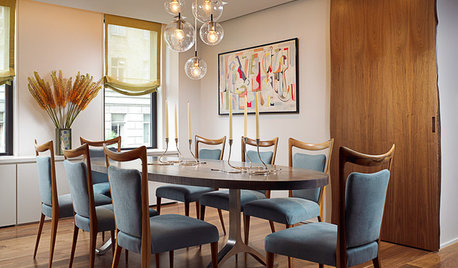
HOW TO PHOTOGRAPH YOUR HOUSE7 Pro Lighting Tips for Budding Home Photographers
Learn how to control daylight and artificial light to get high-quality home photos even if you're just starting out
Full Story
GARDENING GUIDESGreat Design Plant: Ceanothus Pleases With Nectar and Fragrant Blooms
West Coast natives: The blue flowers of drought-tolerant ceanothus draw the eye and help support local wildlife too
Full Story
More Discussions
luxrosaOriginal Author