

Citrus mulch, best types?
11 years ago
Sort by:Oldest
Comments (3)

Related Stories

GARDENING GUIDESHow to Pick a Mulch — and Why Your Soil Wants It
There's more to topdressing than shredded wood. Learn about mulch types, costs and design considerations here
Full Story
GARDENING GUIDESHow to Keep Your Citrus Trees Well Fed and Healthy
Ripe for some citrus fertilizer know-how? This mini guide will help your lemon, orange and grapefruit trees flourish
Full Story
GARDENING GUIDESSpring Citrus Care Reaps Months of Sweet Rewards
Learn how to tend citrus trees in spring and ways to preserve their delicious fruit
Full Story
GARDENING GUIDESNew Ways to Think About All That Mulch in the Garden
Before you go making a mountain out of a mulch hill, learn the facts about what your plants and soil really want
Full Story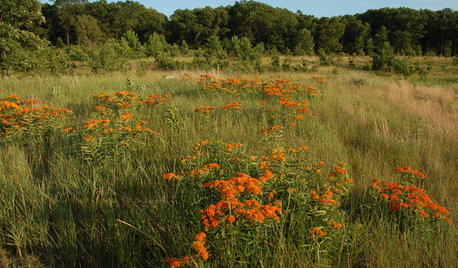
GARDENING GUIDESThe Art of Green Mulch
You can design a natural garden that doesn’t rely on covering your soil with wood and bark mulch
Full Story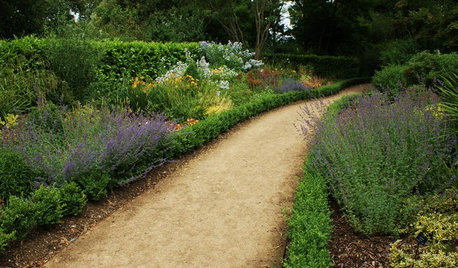
LANDSCAPE DESIGN5 Gravel and Stone Types for a Rockin' Landscape
Give your garden design some textural bam with pebbles, granite, river rocks and other permeable materials
Full Story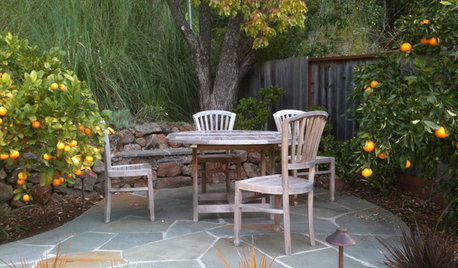
GARDENING AND LANDSCAPINGCrazy for Fruit Trees
Whether a single citrus or a mini apple orchard, even the smallest landscape space can bear deliriously delicious fruit
Full Story
GARDENING GUIDESGarden Myths to Debunk as You Dig This Fall and Rest Over Winter
Termites hate wood mulch, don’t amend soil for trees, avoid gravel in planters — and more nuggets of garden wisdom
Full Story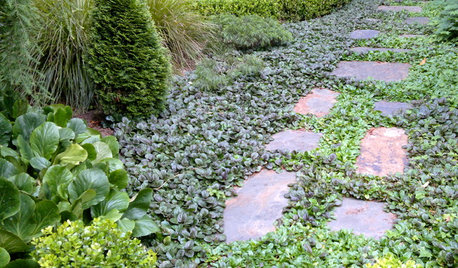
GROUND COVERSGround Force: 10 Top Ground Covers for Your Garden
Protect your soil from weeds and drought this summer with a living mulch of ground covers
Full Story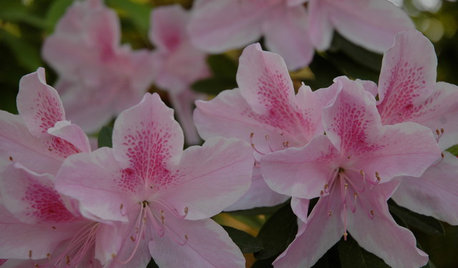
GARDENING GUIDESTexas Gardener's November Checklist
Planting and protecting are top priorities in the garden this month, so master the mulch and get those trees and shrubs in the ground
Full Story0

karlosveloces
myermike_1micha
Related Professionals
Decatur Landscape Architects & Landscape Designers · Houma Landscape Architects & Landscape Designers · Pensacola Landscape Contractors · Wichita Falls Landscape Contractors · Waterloo Landscape Contractors · Fergus Falls Landscape Contractors · Lebanon Landscape Contractors · Wheeling Landscape Contractors · Jackson Landscape Contractors · Vincennes Home Builders · Columbia Home Builders · Raleigh Home Builders · Leominster Home Builders · Montrose Home Builders · Twin Falls Home BuilderscitrusaddictOriginal Author