

Using water conditioner for plants?
10 years ago
Featured Answer
Sort by:Oldest
Comments (11)
- 10 years ago
Related Professionals
Galveston Landscape Architects & Landscape Designers · La Crosse Landscape Architects & Landscape Designers · Hilo Landscape Architects & Landscape Designers · Anchorage Landscape Architects & Landscape Designers · Wichita Landscape Contractors · Asheville Landscape Contractors · Lawrenceburg Landscape Contractors · Georgetown Landscape Contractors · Amarillo Landscape Contractors · Chambersburg Interior Designers & Decorators · Galveston Interior Designers & Decorators · Minneapolis Interior Designers & Decorators · Albany Interior Designers & Decorators · Riverton Interior Designers & Decorators · Cowansville Interior Designers & Decorators- 10 years ago
 10 years ago
 10 years agolast modified: 10 years ago
 5 years ago
 4 years agolast modified: 4 years ago
- last year
- last year


Related Stories
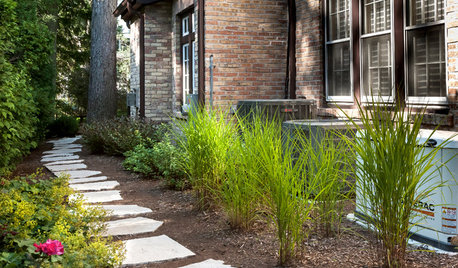
MOST POPULAR5 Ways to Hide That Big Air Conditioner in Your Yard
Don’t sweat that boxy A/C unit. Here’s how to place it out of sight and out of mind
Full Story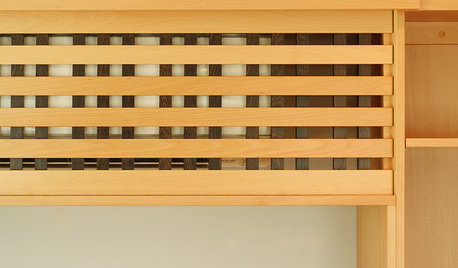
DECORATING GUIDES10 Ways to Hide That Air Conditioner
Feeling boxed in designing around your mini-split air conditioner? Try one of these clever disguises and distractions
Full Story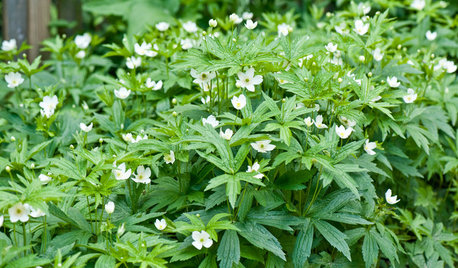
GARDENING GUIDESGreat Design Plant: Anemone Canadensis Adds Pizzazz to Water’s Edges
Plant Canadian anemone along pond, lake or stream edges for a splash of white flowers in late spring
Full Story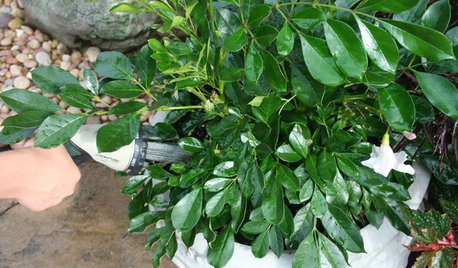
CONTAINER GARDENSContainer Garden Basics: How and When to Water Potted Plants
Confused about soil moisture, the best time to water and what watering device to use? This guide can help
Full Story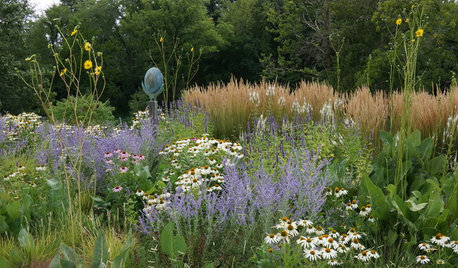
GARDENING GUIDES6 Gorgeous Plant Combos With Low-Water Ornamental Grasses
Use a variety of plant heights, textures and sizes, as well as leaves and flowers in varying colors, for a pleasing design
Full Story
LANDSCAPE DESIGNThe 7 Best Plant Types for Creating Privacy and How to Use Them
Follow these tips for using different kinds of plants as living privacy screens
Full Story
GARDENING GUIDES8 Unthirsty Plants Help You Save Water in Style
Spend less effort and money on your landscape with drought-tolerant and native plants that liven up your yard
Full Story
PLANTING IDEAS7 Stunning Plant Combinations for Low-Water Gardens
Find inspiration in these beautiful drought-tolerant companion plantings
Full Story
SAVING WATERGreat Plants for Lush, Low-Water Gardens
Water restrictions making your garden look washed out? Give it living color with unthirsty grasses, flowers and succulents
Full Story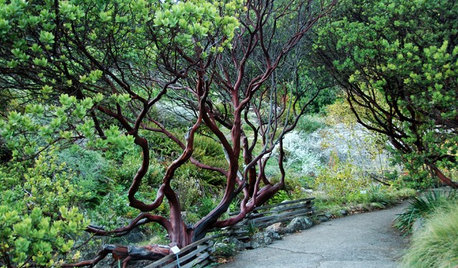
GARDENING FOR BUTTERFLIESGreat Design Plant: Parry Manzanita Stands Out in Low-Water Gardens
Make a dramatic architectural statement and feed wildlife in woodlands and more with Arctostaphylos manzanita
Full Story
jane__ny