

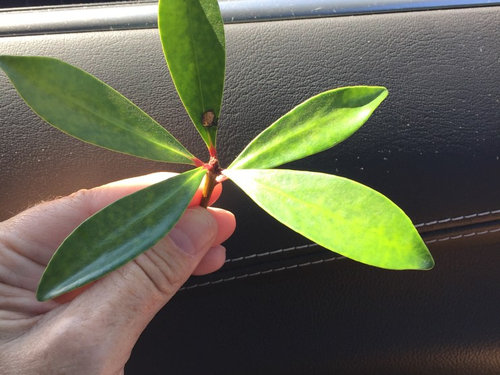
Can you identify this shrub?
10 years ago
Featured Answer
Sort by:Oldest
Comments (12)
 10 years ago
- 10 years ago
Related Professionals
Augusta Landscape Architects & Landscape Designers · Portsmouth Landscape Architects & Landscape Designers · Evanston Landscape Architects & Landscape Designers · Pine Bluff Landscape Contractors · Evansville Landscape Contractors · Rolla Landscape Contractors · Atlantic City Landscape Contractors · Lawrenceburg Landscape Contractors · Canton Landscape Contractors · Reno Landscape Contractors · Greenville Home Builders · Zanesville Home Builders · Johnson City Home Builders · Utica Home Builders · Provo Home Builders- 10 years ago
 10 years agolast modified: 10 years agoVivian Bosworth thanked Dave in NoVA • N. Virginia • zone 7A
- 10 years ago
- 10 years ago
- 10 years ago
- 10 years agolast modified: 10 years ago
- 10 years ago
- 10 years agolast modified: 10 years ago
- 10 years ago

Related Stories
FLOWERS AND PLANTS10 Essential Shrubs for Mid-Atlantic Gardens
Easy-to-grow mid-Atlantic native shrubs celebrate the character of the region
Full Story
GARDENING FOR BIRDSBackyard Birds: How to Identify Two Common Woodpeckers
Downy and hairy woodpeckers have similar coloration and behavior. But there are two big differences that separate them
Full Story
GARDENING GUIDESHow to Prune Your Flowering Shrubs for the Best Blooms
Less is often more when it comes to properly pruning flowering shrubs. Here’s what to do and why
Full Story
TREESHow to Buy Healthy Trees and Shrubs
A healthy young plant with a strong form is more likely to do well in your yard. Here’s what to look for at the nursery
Full Story
GARDENING GUIDES7 Ways to Rethink the Shrub
These versatile plants can do more than frame your home’s foundation or line an entry walk
Full Story
LANDSCAPE DESIGNHow Low Can Hedges Go? Discover Unusual Garden Borders
Short enough to step over, high enough to be a stretch ... check out these radically different hedge styles and tell us your opinion
Full Story
FENCES AND GATESA Deer Fence Can Be Decorative as Well as Protective
You need a monster-size fence to shelter your garden from deer, but it doesn’t have to look like a monstrosity
Full Story
GARDENING GUIDES4 Ways Gardens Can Go Beyond Aesthetic Beauty
Our landscapes can play an even more meaningful role if we rethink their purpose
Full Story
LIFEHow Your Landscaping Can Keep Burglars Away
Prevent home break-ins with strategic landscaping and good practices instead of menacing — and maybe less effective — measures
Full Story
INSPIRING GARDENSWhat We Can Learn From Longwood Gardens’ New Meadow
Sustainability, ecology, native plant communities ... this public garden is brimming with lessons on horticulture for home gardeners
Full Story
gardengal48 (PNW Z8/9)