Software
Houzz Logo Print
maigue_jp07

Curling & Turning Green

10 years ago
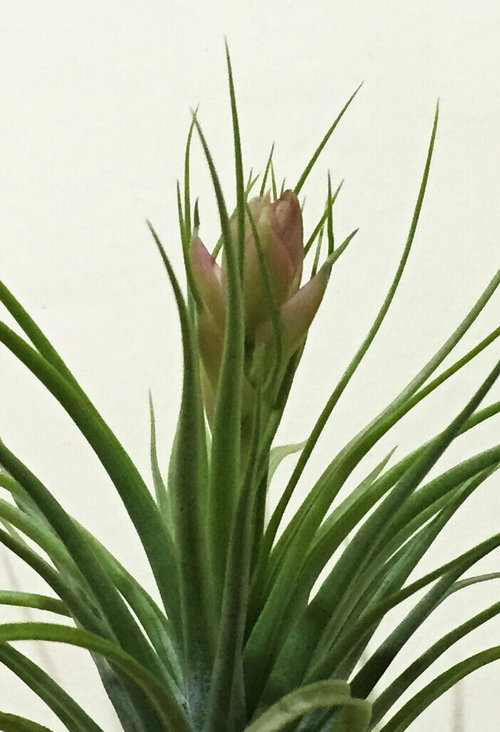
guys help me please.

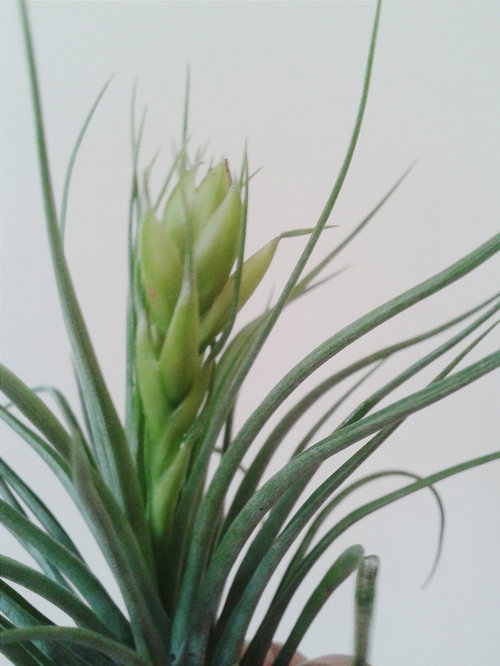
the t. stricta that I bought 3weeks ago that is already in spike seemed to stop growing at all. what i mean is that the spike never got taller anymore and the color pink turned to green!

before photo:

today photo:

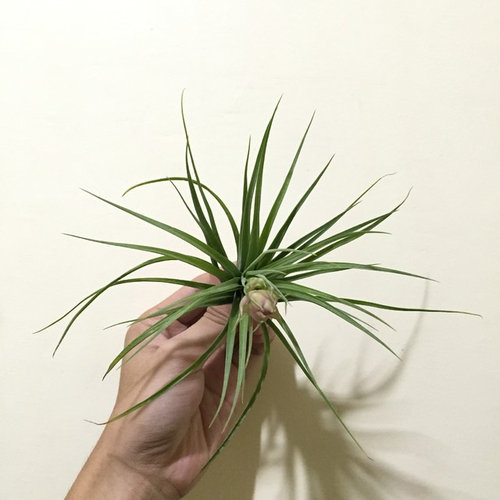
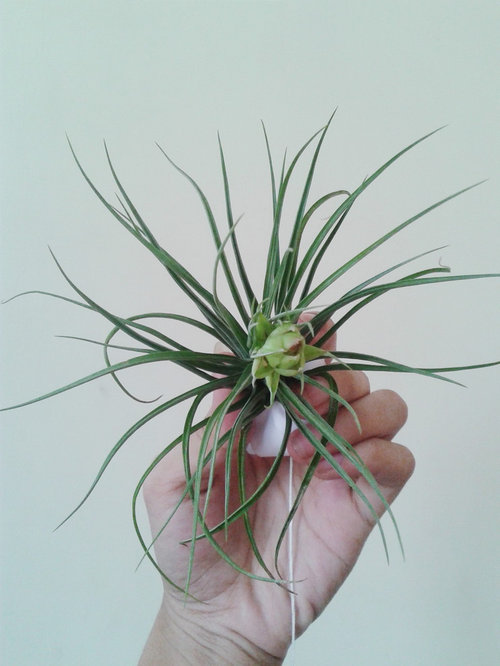
I'm really worrying now cause I also noticed that the leaves are now all curled up!

before:

now:

all my tillies are hanged 1 ft away from the window and I mist the strictas every other day until they get drippy and dunk them for 30mins weekly. The window is a jalousy window and is covered with some kind of screen mesh (to avoid insects from entering). The plants recieve sunlight for like 2-3 hours every morning and the rest is just like filtered reflected light from outside but it's still bright.

am I doing something wrong? All my other tillies seems to be fine except for my two strictas.

and oh, the water I use for misting and dunking is a mixed rainwater and banana infused water (i place cut banana peel in a bucket of 48hr standing tap water and leave it it for a day and filter it to remove debris)

they say that banana is good for tillies that's why I use banana infused water.

is it bad? what am I doing wrong? pls help!

Comments (12)

  • 10 years ago

    My first soft-gray stricta bloomed as one would expect and I enjoyed it (though I don't collect Tillandsias for their flowers). Another bloomed at the same time... well, it developed a stalk but the flower head just got slightly pink then eventually shriveled away. The plant itself remains okay. This year, about the same, another plant and only one bloom and nothing to show off. However, the plants are doing fine and multiplying so maybe my next batch of flowers from these plants will actually look like flowers.

    On the other hand, I have some ionanthas, one of which I think is a rubra, turning red and flowering, and that's nice.

    So, Paul, I think you are doing all the right things (including the clever banana peel water idea, for the potassium) and the plant itself looks okay to me, so don't worry too much.

    Paul Maigue, PH thanked debbyabq
  • 10 years ago

    thanks guys :)

    that was really helpful.

    I thought it was dehydrated but then I'm scared to prolong the time of it being in water because it might rot. Turns out it's actually normal. haha

  • 10 years ago

    I live in such a dry climate -- "12% humidity? No wonder I'm sweating!" "95 degrees? Yeah, but it's a *dry* heat" -- that I have to keep myself from maybe overspraying or otherwise overwatering Tillandsias. I tend to think, oh, I'll soak these for an hour a week and put them back in their baskets and they'll dry off quickly. Actually, that's often the case! I think however that I lost my butzii to some kind of mold... I don't know that I'll try them again.

    But take today: it's rainy and cool out. I think the humidity is quite high (just checked, 87%, but it's also 51F degrees). If it were warmer, I'd gather up a lot of the tillies and put them out in the rain, but not today. We all live in different climates with different challenges, and it's good for us to expand our minds to see what's happening around us.

    So, Paul, I think you are conscientious and can detect what your Tillandsia(s) need in the way of watering, light and temperature. They are quite flexible plants. :)

    Paul Maigue, PH thanked debbyabq
  • 10 years ago

    yeah I actually killed my tenuifolia from overwatering this week :(

    the rot spreaded like crazy and in just a day, my plant got all mushy.

    maybe i'll cut back the watering (weekly dunking) to just misting them every other day to avoid another rot since our wheather here got all loony. Yesterday, it rained really heavy, and now, the sky was really really clear that it was freaking hot. And I bet tomorrow will be rainy again -_- *sigh*

    anyways, thank you so much for the help guys! really appriciated it.


    and oh btw, another problem, one of the leaves of my bulbosa became black and had a brown patch on it. It didn't seem like rot because it was kinda crispy. I have two bulbosas and they are both watered together, and the other one seems ok, but the other one had the black patches on it's leaves. what could be the problem? :(

    i don't want my bulbosa to die. please help.

  • 10 years ago

    I think tenuifolia, which is found across South America and the West Indias, like more water, but even then maybe could be overwatered. If you still have it, set it aside in an airy place with medium light and let it rest a bit. I've tended to underwater those I've had, and now that I have only one, I dip it in water at least daily. I just stopped and did that now. It is small, and its outer, older leaves are brown, but inner, newer leaves are green, so maybe it is happy and will grow some more :)

    I don't know what to say about black bulbosa, especially since the other one seems okay. I'd separate them though, just in case the unfortunate one has something that could spread to the unaffected one. I first wondered if it could be too much sun, but both would show the effects, and the effects would probably be the plant turning red-ish. If you inspect the "black" closer and it seems to be dark red instead, that may be a sign of, oh, impending bloom?

    Paul Maigue, PH thanked debbyabq
  • 10 years ago

    thanks debby. but the yesterday, i checked my bulbosas and both of them had the black patches now!

    it's really black and it looks really dry and rough.

    i posted it yesterday with a pic.

    http://forums.gardenweb.com/discussions/3457476/dying-bulbosas?n=1

    i hope they'll get better.

  • 10 years ago

    This site needs a "sad" button... I note in your link that Gonzer suggests cutting back on watering and let the plant catch humidity from the air. If you don't already, perhaps use some string (like dental floss) or fishing line or not-copper wire (or rubber- or plastic-coated wire) and hang the plants up pointing down (which I think they like in the wild anyhow). That way they'll be sure to get air. They are tough and may recover if not babied... which is tough for humans not to do!

    Paul Maigue, PH thanked debbyabq
  • 10 years ago

    Also another thing that will help is sort your tillandsia by color white, silver, green that way you wont over water. The lighter the colors require less water than green.

    Paul Maigue, PH thanked hotdiggetydam
  • 10 years ago

    I was looking through a back issue of the Bromeliad Society newsletter from around 1970, and in an article on Tillandsia growing, a fellow commented that Bulbosas take a long time to grow... so once you get the watering under control, it may be a while before you see positive results (like new growth), but don't give up, Tillandsias are quite the survivors!

    Paul Maigue, PH thanked debbyabq
  • 10 years ago

    re was this garden show I attended yesterday and I asked one of the sellers (airplants) if how often do they water their bulbosa here in PH, and she said that they mist them every other day. Guess I'll do the same.


    anyways, thank you so much guys!

  • 10 years ago

    If she is local (lives in your area), that may be good advice, especially if her plants looked good :) That thought has made me go collect a number of mine (bulbosas, caput medusa, several others) for a brief soak then I'll hang them back in my south-facing window. I'm sure our air here in Albuquerque is a lot drier than your air, and we're moving into Fall so the air is cooler in my apartment, too. It gives plants a challenge and exercise :)

    Paul Maigue, PH thanked debbyabq
Sponsored
Schlabach Woodworks
Average rating: 5 out of 5 stars21 Reviews
Franklin County's Reclaimed Wood Professionals