

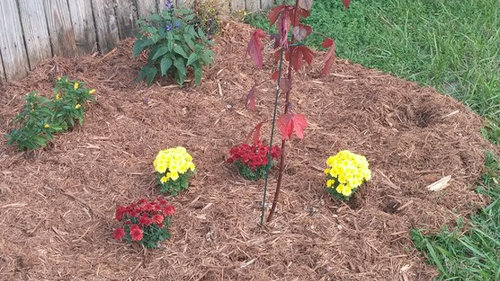
Weed fabric ?
11 years ago
Featured Answer
Sort by:Oldest
Comments (10)
 11 years ago
 11 years ago
Related Professionals
Springfield Landscape Architects & Landscape Designers · West Palm Beach Landscape Contractors · Florence Landscape Contractors · Pittsburgh Landscape Contractors · Bronx Landscape Contractors · Pine Bluff Kitchen Remodelers · Tallahassee Kitchen Remodelers · Pittsburg Kitchen Remodelers · Louisville Kitchen Remodelers · Cape Girardeau Kitchen Remodelers · Rocky Mount Kitchen Remodelers · Corpus Christi Kitchen Remodelers · Fort Worth Kitchen Remodelers · North Adams Kitchen Remodelers · Janesville Kitchen Remodelers- 11 years ago
 11 years ago
 10 years ago
- 10 years ago
- 10 years ago
- 10 years ago
- 10 years ago

Related Stories
GARDENING GUIDESTackle Weeds the Natural Way
Instead of dousing your yard with chemicals to wipe out weeds, let time and nature work their magic via smothering and solarization
Full Story
UPHOLSTERYFabric Focus: Cozy, Carefree Cotton
Here’s why you should consider making cotton king in your home decor
Full Story
DECORATING GUIDESDandelions Pop Up in Home Décor
Creative wall treatments, textiles and lights are elevating the embattled weed to art
Full Story
GARDENING GUIDES7 Ecofriendly Gardening Ideas That Also Cut Chore Time
Spend less time weeding, less money watering and more moments just sitting back and enjoying your healthy garden
Full Story
GARDENING GUIDESLush, Foodie Abundance in a Small Urban Garden
This modest backyard garden provides its owner with fruit and vegetables all year round, thanks to an innovative low-maintenance approach
Full Story
SAVING WATERHouzz Call: Are You Letting Go of Your Lawn?
Many facing a drought are swapping turf for less thirsty plantings. If you’re one of them, we’d like to hear about it
Full Story
LANDSCAPE DESIGNGarden Walls: Dry-Stacked Stone Walls Keep Their Place in the Garden
See an ancient building technique that’s held stone walls together without mortar for centuries
Full Story
PATIOSPatio Details: Simple Materials Make for a Sophisticated Space
Low water bills and minimal maintenance are just part of the beauty of this handcrafted backyard deck and patio
Full Story
OUTBUILDINGSMy Houzz: Simply Escapist in Santa Cruz
Thrifty furnishings and a romantic willow tree turn a backyard cabin into a comfy, unpretentious hideaway
Full Story
LANDSCAPE DESIGNEnjoy the Romance of Dining in a Classic Gravel Garden
Here’s what to consider when it comes to installing, styling and maintaining a DIY-friendly gravel patio
Full Story
Sponsored
wisconsitom