Software
Houzz Logo Print
curdle1

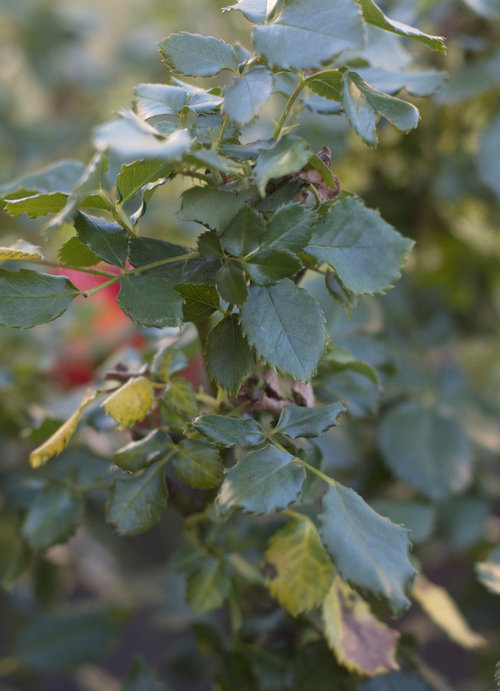
Is this thrip damage or...?

Sadly thrips discovered the garden about two years ago.

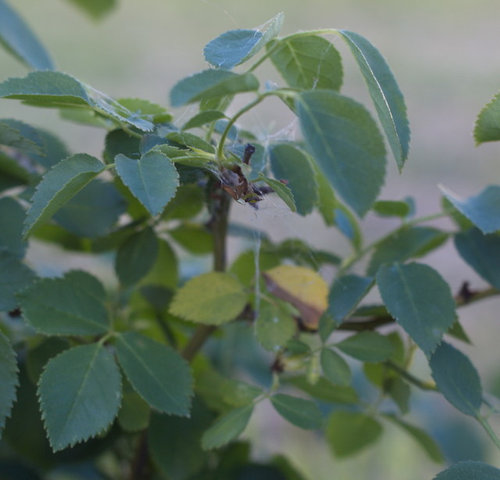
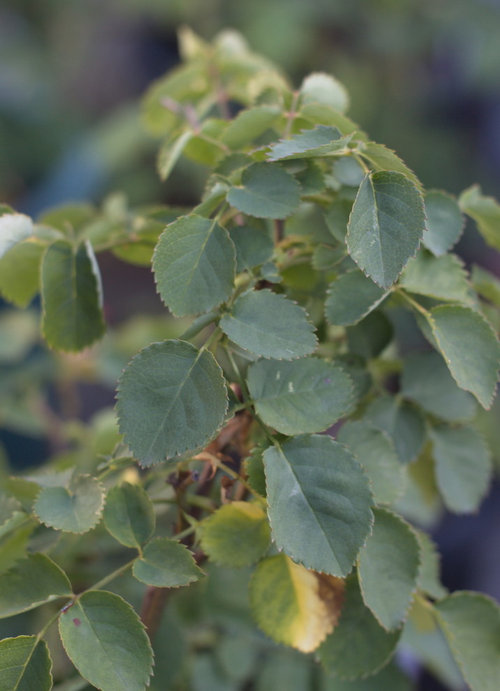
But there's also weird growth patterns that I'm not sure are the thrips. The roses are growing in a weird clumpy kind of way...Lots of leaves, close together, but not much in the way of branches or stems- and often not resulting in a flower. I googled around, and thought possibly dwarf spring disease, but it doesnt look precisely like those pics either. About %50 of the roses are affected.

Some things to take into account; all roses are in pots, they are different varieties and ages. I dont spray anything - all roses were pruned at their appointed time, then fertilised with Sudden Impact for roses.

Its just getting to the end of spring here (Melbourne Australia) Weather wise its been a bit uneven -a couple of unseasonally early blasts of nasty hot weather but pretty good rain wise.( was also wondering if it wasnt just the stop start nature of the warm days, but i havent noticed it in any neighbourhood gardens)


Not sure if theres any more information I should mention, so here are the pics.

BTW the spider webby stuff you see isnt spidermites..the spiders seem to love all the hidey holes - they have taken up residence in several roses.

Thankyou in advance for any ideas..I am starting to get worried I may have to start rose culling...

Comments (15)

  • 10 years ago

    It doesn't look like thrips. I get this on many of my roses in the spring. I think it's just old wood/tissue that doesn't have the strength to bloom. I usually just cut it off. I've thought about dwarf spring disease, but it doesn't look that bad.


  • 10 years ago

    This doesn't look like Thrips damage. From my experience with both the common thrips and the chili thrips, they attach young growth and stunt the growth. Regular thrips would concentrate on blooms where chili thrips would have given you severely deformed and stunted growth. This looks like fertilizer growth where one of the elements is higher than others. Try a fertilizer balanced for bloom production and see if that helps. Also, thin out the leaves where they've grown in clusters and cut back any blackened stems.

  • 10 years ago

    The tips of the rose stems look burnt and wilted. It maybe rose midge damages. You can google it to see if the conditions match your rose symptoms. But I am not sure that rose midges are present in Australia.

  • 10 years ago

    Agree with buford. Your roses look normal. I wouldn't even trim these stems off unless they start to die back . Even though no flowers are coming from these canes they still photosynthesise for the plant and will help the plant to produce strong basal shoots. Old canes don't usually flower well and I trim them off in winter.

  • 10 years ago
    last modified: 10 years ago

    I think it looks normal also...Because I also get that at times and it turns out to be nothing to get alarmed about...

    BUT if the rose bush stops flowering or does not flower well and you have burnt stem tips consider the rose midge...

  • 10 years ago

    I wish my leaves looked that good!

  • 10 years ago

    Rose midge!!!!! 2nd photo, 100% sure. I have been treating my roses all season for rose midge.

  • 10 years ago

    Summer, how can you tell that it's midge?

  • 10 years ago
    last modified: 10 years ago

    The burnt tip in the 2nd photo. :-)

    Karen was right about it too.

  • 10 years ago

    Thanks guys! I don't think its the fertiliser as its recommended by the rose society here, specifically for bloom, and seems to have all the right proportions of goodies.

    I had a look at rose midge pics online ( yes, we do get them here) for comparison purposes- and it really does look a lot like what's going on - right down to the poor twisted blasted buds. Its been so sad; I had a few really early blooms that were gorgeous, and between the thrips and the midges, its been a bit of a washout since then. Going outside after a nice rain and seeing what the midges have left of what should be a brilliant spring flush draped over the rose leaves like manky old tissues is not fun.

    Good idea to trim off the stunty bits, eventually, as they don't really look strong enough to support much decent further growth, but i'll wait til at least after summer, as the canes will need all the shade they can get. A lot of the "extra" leaves are starting to die off by themselves anyway.

    Hmm..a lot of forum posters recommend Bayer advanced but that doesn't seem to be available in Aus, as far as I can see. A local rose seller suggests Diazinon as a soil drench and Mavrik as a spray at 10 day intervals. Well, at least the fact they're in pots means I wont have to drench the rest of the garden soil.

    Thanks to everyone for advice and ideas:)


  • 10 years ago
    last modified: 10 years ago

    Diazinon was one of the most effective controls of midge before it was banned in the USA due to bird kills--they would mistake the granules as food. A liquid drench wouldn't have that issue. By control, it allowed exhibitors to bring plenty of roses to rose shows, even though there were obvious signs in the garden that no matter what the exhibitor tried, the midge could not be eradicated. Keep in mind that exhibitors grow too many roses, which limits the use of labor intensive controls.

  • 10 years ago

    Also Bioneem works regarding to some research if you spray every 10 days, I couldn't keep up with the spray. The midge also might be in the soil near the pots too. I treated my whole yard, still couldn't kill them all. Will start over the treatment early next spring. Good luck to your roses.

  • 10 years ago
    last modified: 10 years ago

    Rose midge will also cause that bunching of leaves. As the midge destroys one lateral, another begins to grow. When the new midge hatch they will go for that tender new growth then the process begins again.This leaves a look of too many leave in one spot. In case you are interested this is what worked and did not work for me. This is my opinion only everyone must do what right for them.

    My 2nd year was the worst for midge. Out of hundreds of roses there where no blooms anywhere. This was more than 12 years ago when many nasty pesticides were still available. I did what was recommended. I gathered 3 different chemicals with different modes of action to keep them from developing resistance to one pesticide. I sprayed every seven days for one cycle. Then every ten days till the end of year. Even missed the fireworks in July with my family as it was spray day. At the end of the year I removed 2 inches of soil from around and under bush.

    The following season I held my breath waiting to see how it went. They came back all of the previous was for nothing. There weren't as many it's true but not gone and surely those that survived would now be immune to what I had used the year before.That was the last time I used any chemicals in the garden.

    Two years later we had a very droughty year with no rain from spring to fall. Spider mites covered the roses the ground full of cracks. The surprise was there was no rose midge. It seemed as thou they need moisture or something that year had dined on them.

    Rose midge stayed gone from here until two years ago. I'm now experimenting with pulling back any ground cover from affected roses to allow the ground to dry, Also placing a barrier fabric down around the entire canopy of rose so that the midge larvae can't reach the soil. Plus removing any buds that begin to bend. Barrier fabric is much easier to do with hybrid teas than a big shrub. Please take this as just another opinion not at all meant to sound like the only way. Just how it went for me.

  • 10 years ago

    Oh Henry, don't you sleep in on Sat's? :-) There aren't many things we can use to against hard to kill midge these days......