

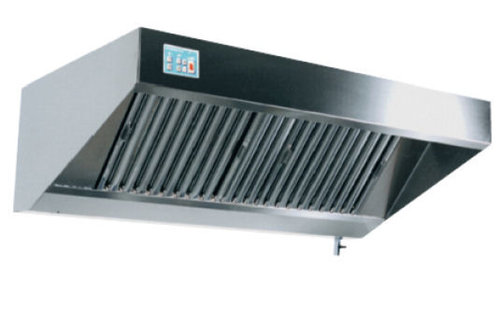
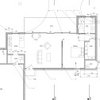
Vent hood mounted on ceiling?
10 years ago
Sort by:Oldest
Comment (1)

Related Stories
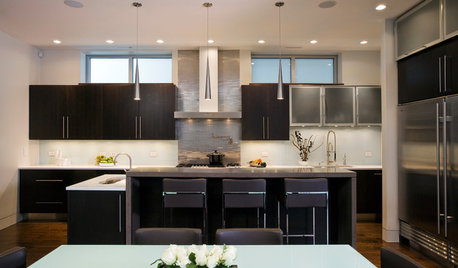
SHOP HOUZZShop Houzz: Bestselling Range Hoods and Vents
Shop our most popular range hoods and vents to modernize your kitchen
Full Story0
BATHROOM DESIGNShould You Get a Recessed or Wall-Mounted Medicine Cabinet?
Here’s what you need to know to pick the right bathroom medicine cabinet and get it installed
Full Story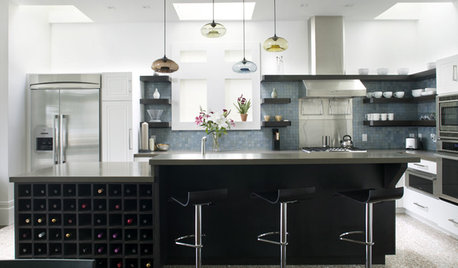

KITCHEN DESIGNHow to Choose the Right Hood Fan for Your Kitchen
Keep your kitchen clean and your home's air fresh by understanding all the options for ventilating via a hood fan
Full Story
KITCHEN APPLIANCESThe Many Ways to Get Creative With Kitchen Hoods
Distinctive hood designs — in reclaimed barn wood, zinc, copper and more — are transforming the look of kitchens
Full Story
KITCHEN DESIGNWhat to Know When Choosing a Range Hood
Find out the types of kitchen range hoods available and the options for customized units
Full Story
KITCHEN APPLIANCESWhat to Consider When Adding a Range Hood
Get to know the types, styles and why you may want to skip a hood altogether
Full Story
KITCHEN DESIGNWood Range Hoods Naturally Fit Kitchen Style
Bring warmth and beauty into the heart of your home with a range hood crafted from nature's bounty
Full Story
KITCHEN DESIGNA Cook’s 6 Tips for Buying Kitchen Appliances
An avid home chef answers tricky questions about choosing the right oven, stovetop, vent hood and more
Full Story
KITCHEN DESIGN8 Industrial-Luxe Kitchen Hood Styles
Make a Statement with Show-Stopping Metal Range Hoods
Full Story
kaseki
Related Professionals
Sedalia Kitchen & Bathroom Designers · Fort Dodge Kitchen & Bathroom Designers · Riverside Kitchen & Bathroom Designers · Helena Kitchen & Bathroom Designers · Edmonton Kitchen & Bathroom Designers · Little Rock Bathroom Remodelers · Clarksburg Bathroom Remodelers · Leominster Bathroom Remodelers · Grand Junction Bathroom Remodelers · Bozeman Bathroom Remodelers · Beckley Kitchen Remodelers · Muncie Kitchen Remodelers · Oneonta Kitchen Remodelers · Lubbock Kitchen Remodelers · Odessa Kitchen Remodelers