

Random question about rose rosette disease
10 years ago
Sort by:Oldest
Comments (9)
Related Stories

GARDENING GUIDESNew Ways to Think About All That Mulch in the Garden
Before you go making a mountain out of a mulch hill, learn the facts about what your plants and soil really want
Full Story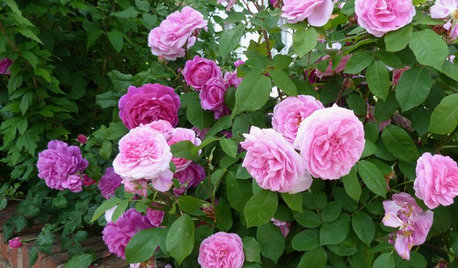
GARDENING GUIDESWhat Kind of Roses Should You Grow?
Want to add the beauty of roses to your garden? Find out which ones, from old-fashioned to modern, are right for you
Full Story
PAINTINGWhat to Know About Milk Paint and Chalk Paint — and How to Use Them
Learn the pros, cons, cost and more for these two easy-to-use paints that are great for giving furniture a vintage look
Full Story
FUN HOUZZEverything I Need to Know About Decorating I Learned from Downton Abbey
Mind your manors with these 10 decorating tips from the PBS series, returning on January 5
Full Story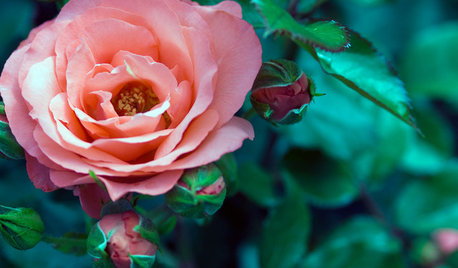
GARDENING GUIDESLearn the Secret to Bigger and Better Roses
Grow beautiful roses using both ordinary and unusual soil amendments
Full Story
GARDENING GUIDESGreat Design Plant: Knock Out Roses
As glorious as their high-maintenance kin for a fraction of the work, Knock Out roses make even beginners look like garden stars
Full Story
GARDENING GUIDESRoses: Crowning Touch of Gardens
Whether you're the Miss or Mister America of gardening or take a hands-off approach, roses can be a winning addition to your landscape
Full Story
GARDENING GUIDES6 Captivating Roses for an Alluringly Fragrant Garden
Perfume your garden with aromas from richly spicy to lightly sweet, without sacrificing an inch of color
Full Story
WINTER GARDENINGPruning Secrets for Exquisite Roses
Encourage gorgeous blooms year after year with this time-tested advice on how to prune your rosebush in winter for health and shape
Full Story
GARDENING GUIDES5 Sweet to Spirited Pink Roses for an Enchanting Garden
Whether you go demure or daring, there's a pink rose here to make you flush with garden pride
Full Story

Buford_NE_GA_7A
Patty W. zone 5a Illinois
Related Professionals
Wichita Landscape Architects & Landscape Designers · Enfield Landscape Architects & Landscape Designers · Kalispell Landscape Architects & Landscape Designers · Dothan Landscape Contractors · Atlanta Landscape Contractors · Fayetteville Landscape Contractors · Columbia Landscape Contractors · Florence Landscape Contractors · Sarasota Home Builders · Baltimore Home Builders · Toms River Home Builders · Minneapolis Home Builders · Olean Home Builders · Salinas Home Builders · Fairbanks Home Builderscatsrose
stillanntn6b
gibsongirl74Original Author
mad_gallica (z5 Eastern NY)
Buford_NE_GA_7A
stillanntn6b
Patty W. zone 5a Illinois