

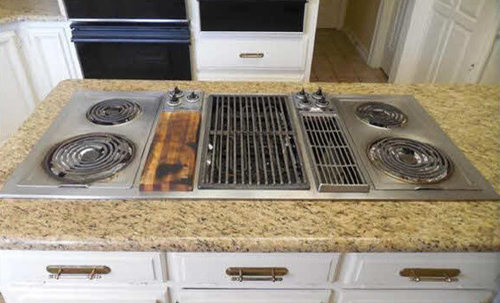
Do 47" gas cooktops exist?
10 years ago
last modified: 10 years ago
Sort by:Oldest
Comments (5)
Related Stories
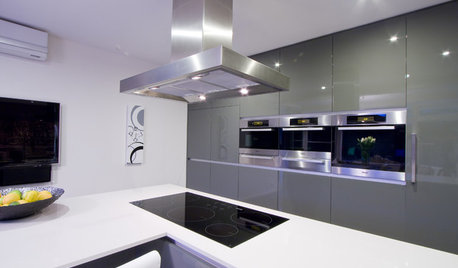
KITCHEN APPLIANCESFind the Right Cooktop for Your Kitchen
For a kitchen setup with sizzle, deciding between gas and electric is only the first hurdle. This guide can help
Full Story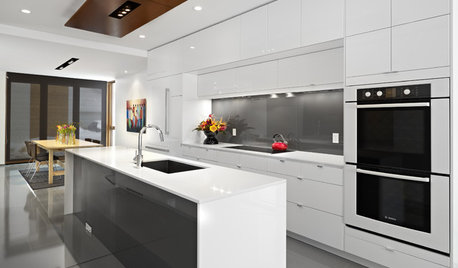
KITCHEN APPLIANCESFind the Right Oven Arrangement for Your Kitchen
Have all the options for ovens, with or without cooktops and drawers, left you steamed? This guide will help you simmer down
Full Story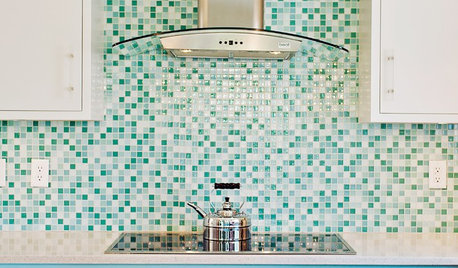
KITCHEN DESIGN9 Popular Stovetop Options — Plus Tips for Choosing the Right One
Pick a stovetop that fits your lifestyle and your kitchen style with this mini guide that covers all the basics
Full Story
KITCHEN DESIGNHow to Choose the Right Hood Fan for Your Kitchen
Keep your kitchen clean and your home's air fresh by understanding all the options for ventilating via a hood fan
Full Story
KITCHEN DESIGNHow to Find the Right Range for Your Kitchen
Range style is mostly a matter of personal taste. This full course of possibilities can help you find the right appliance to match yours
Full Story
KITCHEN APPLIANCESLove to Cook? You Need a Fan. Find the Right Kind for You
Don't send budget dollars up in smoke when you need new kitchen ventilation. Here are 9 top types to consider
Full Story
BASEMENTSRoom of the Day: Cheers to a Home Basement Brewery for Craft Beers
An engineer in Ottawa, Canada, turns his decades-long love of home-brewed beer into a basement project, then a side business
Full Story
KITCHEN WORKBOOKWhen to Pick Kitchen Fixtures and Finishes
Is it faucets first and sinks second, or should cabinets lead the way? Here is a timeline for your kitchen remodel
Full Story
SMALL KITCHENSThe 100-Square-Foot Kitchen: No More Dead Ends
Removing an angled peninsula and creating a slim island provide better traffic flow and a more airy layout
Full Story
SMALL KITCHENS12 Genius Design Moves for Small Kitchens
These space-enhancing tricks can make compact cooking zones look and feel larger
Full Story
homepro01
venmar
Related Professionals
Pine Bluff Kitchen & Bathroom Designers · Pittsburg Kitchen & Bathroom Designers · New London Kitchen & Bathroom Designers · Ottumwa Kitchen & Bathroom Designers · Watertown Kitchen & Bathroom Designers · Sheboygan Kitchen & Bathroom Designers · Toms River Bathroom Remodelers · Austin Bathroom Remodelers · Harrisburg Bathroom Remodelers · Orange County Bathroom Remodelers · Bend Bathroom Remodelers · Ogden Bathroom Remodelers · Decatur Kitchen Remodelers · New York City Kitchen Remodelers · Calgary Kitchen RemodelersTexGuy82Original Author
kaseki
User