

New Barrier Shrubs
10 years ago
Sort by:Oldest
Comments (5)

Related Stories
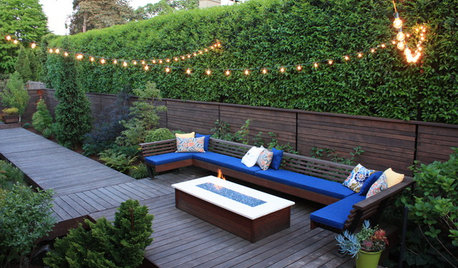
LANDSCAPE DESIGNDesign Your Landscape for Peace and Quiet
Block unwanted noise with plantings, barriers and water features for a more soothing outdoor experience
Full Story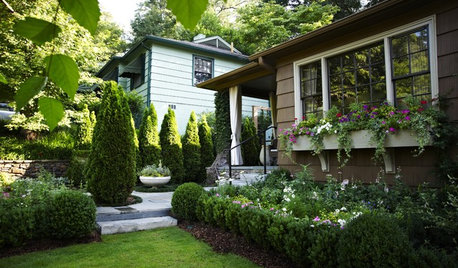
GARDENING GUIDES9 Low-Growing Hedges That Make Good Neighbors
Define garden areas or borders without blocking the view, with these evergreen shrubs that take kindly to trimming
Full Story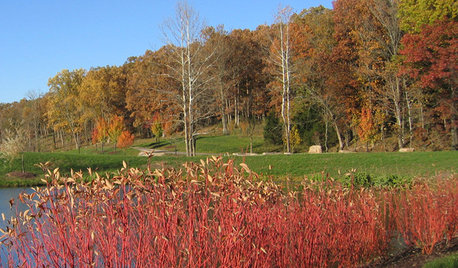
GARDENING GUIDESThese Hedges Can Add Interest to Your Winter Garden
Evergreen trees and shrubs provide structure and color in the winter months — and can attract wildlife too
Full Story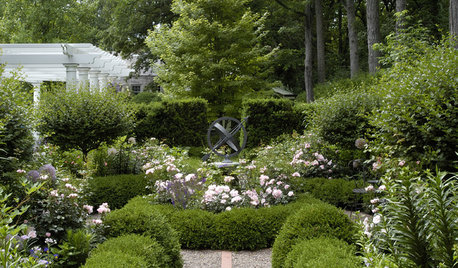
LANDSCAPE DESIGNDefine Your Garden Softly With Planted Borders
Why make things hard for your garden's edges? Embrace a softer side by trading brick and concrete for shrubs, grasses and ground covers
Full Story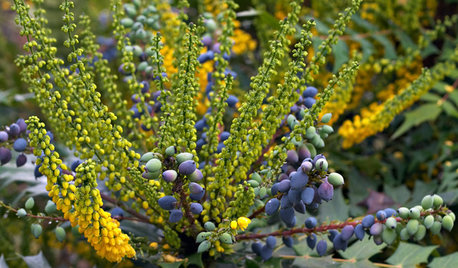
GARDENING FOR BUTTERFLIESGreat Design Plant: 'Charity' Oregon Grape
Giving nectar to hummingbirds and delicious berries to all, 'Charity' is a four-season garden delight that lives up to its name
Full Story
LANDSCAPE DESIGNGreat Design Plant: Paint the Summer Landscape With Desert Willow
If the vibrant flowers of this Southwestern native tree don't blow you away, the hummingbirds, fire resistance and low maintenance will
Full Story
GARDENING GUIDESRoses: Crowning Touch of Gardens
Whether you're the Miss or Mister America of gardening or take a hands-off approach, roses can be a winning addition to your landscape
Full Story
GARDENING GUIDESGreat Design Plant: Rhus Glabra
Smooth sumac provides powerful jolts of fall color and persistent fruit clusters that add interest through the winter
Full Story
PATIOSGet Backyard Privacy the Subtler, Stylish Way
Why settle for a hulking brick wall when plants, screens and other refined backyard dividers do the job with panache?
Full Story
GARDENING GUIDESGreat Garden Combo: 3 Wonderful Plants for a Deer-Resistant Screen
Protect your privacy and keep deer at bay with a planting trio that turns a problem garden area into a highlight
Full Story
rhizo_1 (North AL) zone 7
Dedra CraigOriginal Author
Related Professionals
Ottawa Landscape Architects & Landscape Designers · Manhattan Landscape Contractors · Dayton Landscape Contractors · Charleston Landscape Contractors · Dallas Landscape Contractors · Boston Landscape Contractors · Buffalo Landscape Contractors · Tacoma Landscape Contractors · Miami General Contractors · Branson General Contractors · Hilton Head Island General Contractors · Roswell General Contractors · Spokane General Contractors · Evanston General Contractors · Toronto General Contractorsgdpossehl
no1weedwitch
dottiecarrano