

Preventing drainage
10 years ago
Sort by:Oldest
Comments (5)

Related Stories
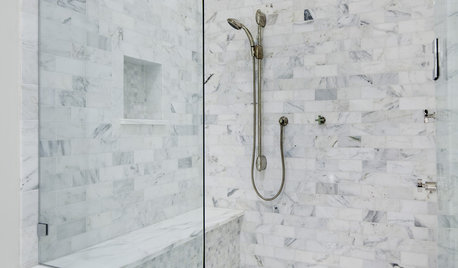
BATHROOM DESIGNConvert Your Tub Space Into a Shower — Waterproofing and Drainage
Step 4 in swapping your tub for a sleek new shower: Pick your waterproofing materials and drain, and don't forget to test
Full Story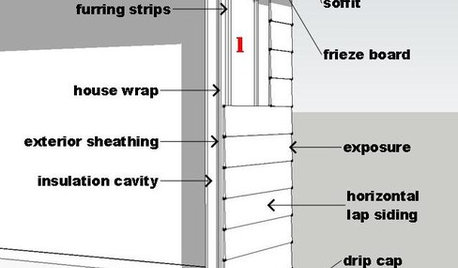
THE ART OF ARCHITECTUREArchitect's Toolbox: Rain Screens Up House Health
To thwart unwanted moisture and poor air quality in your home, think rain screens and drainage planes
Full Story
GREAT HOME PROJECTSHow to Give Your Driveway and Front Walk More Curb Appeal
Prevent injuries and tire damage while making a great first impression by replacing or repairing front paths
Full Story
MONTHLY HOME CHECKLISTSYour Fall Home Maintenance Checklist
Prep your house and yard for cold weather with this list of things to do in an hour or over a weekend
Full Story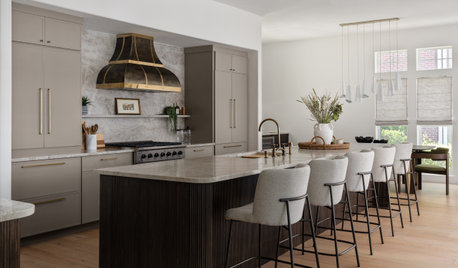
KITCHEN DESIGN10 Ways to Design a Kitchen for Aging in Place
Design choices that prevent stooping, reaching and falling help keep the space safe and accessible as you get older
Full Story
GARDENING AND LANDSCAPING7 Ornamental Grasses for Coastal Gardens
These hardy seashore plants evoke the ocean, sway in the breeze and help prevent sand erosion in the landscape
Full Story
FALL GARDENINGMake This Fall’s Garden the Best Ever
Learn the most important tip for preventing buyer’s remorse, plus get more valuable buying and planting advice
Full Story
LANDSCAPE DESIGNHow to Move Water Through Your Landscape
Swales, underground pipes or a mix of both: There’s more than one way to distribute water in the garden
Full Story
LANDSCAPE DESIGNDitch the Ordinary Ditch: Create a Realistic Dry Creek Bed
Here’s how to turn your water runoff system into an eye-catching accent for your landscape
Full Story
GARDENING GUIDES8 Materials for Raised Garden Beds
Get the dirt on classic and new options for raised vegetable and plant beds, to get the most from your year-round garden
Full Story
User
shuffles_gw
Related Professionals
Birmingham Landscape Architects & Landscape Designers · Elizabethtown Landscape Architects & Landscape Designers · Shreveport Landscape Architects & Landscape Designers · Kalispell Landscape Architects & Landscape Designers · Tacoma Landscape Architects & Landscape Designers · Vancouver Landscape Architects & Landscape Designers · Sarnia Landscape Architects & Landscape Designers · Queens Landscape Architects & Landscape Designers · Greensboro Landscape Contractors · Morgantown Landscape Contractors · Billings Landscape Contractors · Edmonton Landscape Contractors · Rome Kitchen Remodelers · Muskegon Kitchen Remodelers · Syracuse Kitchen RemodelersMichael AKA Leekle2ManEOriginal Author
User
User