

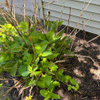
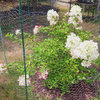
Climbing Hydrangea situation
10 years ago
Featured Answer
Sort by:Oldest
Comments (8)
Related Professionals
McComb Landscape Contractors · Vineland Landscape Contractors · Burlington Landscape Contractors · Champaign Landscape Contractors · Flagstaff Landscape Contractors · Eugene Landscape Contractors · Ogden Landscape Contractors · Everett Landscape Contractors · Vancouver Landscape Contractors · Amherstburg Landscape Contractors · Johnson City Design-Build Firms · Kirksville Design-Build Firms · Utica Design-Build Firms · Madison Design-Build Firms · San Diego Design-Build Firms 10 years ago
 10 years ago
- 10 years ago
- 10 years ago
- 10 years agolast modified: 10 years ago

Related Stories

GARDENING AND LANDSCAPINGHave a Ball With Hydrangeas
Even if you don't tinker with the hue by changing the soil, hydrangeas have an entertaining range of uses in all kinds of landscapes
Full Story
KNOW YOUR HOUSEStair Design and Construction for a Safe Climb
Learn how math and craft come together for stairs that do their job beautifully
Full Story
LANDSCAPE DESIGNRelish the Romance of a Slovenian Garden
Dappled with coneflowers and bursting with hydrangeas, a romantic European garden near the Julian Alps inspires enchantment
Full Story
GARDENING GUIDESCalifornia Gardener's June Checklist
Update your hydrangeas, catch up on tomatoes and more ways to enjoy your California garden in June
Full Story
LAWN ALTERNATIVESStop Fighting the Patchy Lawn!
Here are 3 situations where a garden may be a better idea than more turfgrass
Full Story
GREEN BUILDINGSalvaged Materials Triumph as All-Stars of Sustainability
When you save manufacturing energy and have a beautifully crafted home to boot, it's a win-win situation
Full Story
DECORATING GUIDESDecorate With Intention: Get Your Home Office Right
Help personality and productivity team up in a home office for a win-win situation
Full Story
REMODELING GUIDESContractor's Tips: 10 Things Your Contractor Might Not Tell You
Climbing through your closets and fielding design issues galore, your contractor might stay mum. Here's what you're missing
Full Story
VACATION HOMESHouzz Tour: Rock Climbers Create the Ultimate Mountain Getaway
Two friends build a vacation home in Australia’s Blue Mountains, where they can relax with others after a day of climbing
Full Story
GARDENING AND LANDSCAPINGPorch Life: 12 Ways to Beautify a Porch With Plants
Abundantly welcoming, plants rooted in pots, hanging in baskets or climbing up a trellis add life to porches
Full Story
tsugajunkie z5 SE WI ♱