

Fertilizer spikes too close?
10 years ago
Featured Answer
Sort by:Oldest
Comments (11)
 10 years ago
- 10 years ago
Related Professionals
Port Saint Lucie Landscape Architects & Landscape Designers · Portsmouth Landscape Architects & Landscape Designers · Bend Landscape Architects & Landscape Designers · Pittsburg Landscape Contractors · Rocky Mount Landscape Contractors · Murfreesboro Landscape Contractors · Dubuque Landscape Contractors · Kearney Landscape Contractors · Elmira Landscape Contractors · Missoula Landscape Contractors · Tacoma Landscape Contractors · Victoria Landscape Contractors · Decatur Home Additions · Saginaw Home Additions · Pocatello Home Additions- 10 years ago
- 10 years ago
- 10 years ago
- 10 years ago
- 10 years ago
- 10 years ago
- 10 years ago
- 10 years ago
Related Stories

GARDENING GUIDESGet on a Composting Kick (Hello, Free Fertilizer!)
Quit shelling out for pricey substitutes that aren’t even as good. Here’s how to give your soil the best while lightening your trash load
Full Story
GARDENING FOR BUTTERFLIESGreat Design Plant: Red Yucca Spikes Dry Spots With Color
Neither heat nor cold nor lack of water fazes this flowering succulent, which adds spiky texture to Southwestern landscapes
Full Story
FLOWERSKeep Your Garden on Point With Spikes of Purple
Tall purple blooms bridge color gaps, contrast round flower forms and make for intriguing masses in the landscape
Full Story
GARDENING GUIDESHow to Keep Your Citrus Trees Well Fed and Healthy
Ripe for some citrus fertilizer know-how? This mini guide will help your lemon, orange and grapefruit trees flourish
Full Story
GARDENING GUIDESRocky Mountain Gardener: What to Do in July
Keep the party going all summer long with smart watering methods and fertilizer. Get ready for next year and order bulbs now
Full Story0
GARDENING GUIDESPacific Northwest Gardener: What to Do in September
Put in cool-weather veggies, fertilize your lawn and tidy the garden this month before chilly weather arrives
Full Story
GARDENING GUIDESCommon Myths That May Be Hurting Your Garden
Discover the truth about fertilizer, soil, staking and more to keep your plants healthy and happy
Full Story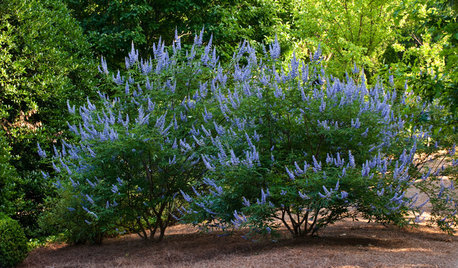
FLOWERS AND PLANTSVitex Agnus-Castus Fills Gardens With Fragrant Blooms and Foliage
Spikes of purple flowers adorn chaste tree’s aromatic foliage throughout the warm season in Southern gardens
Full Story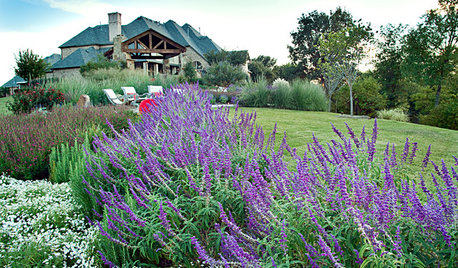
GARDENING GUIDESGreat Design Plant: Salvia Leucantha
Soft, velvety purple spikes gracefully arch over the gray-green foliage of Mexican bush sage in spring through fall in western U.S. gardens
Full Story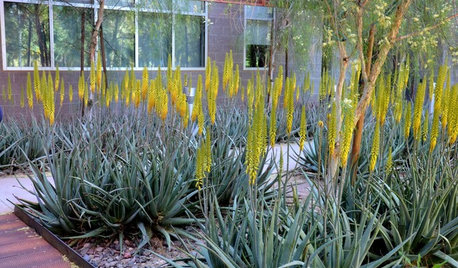
GARDENING GUIDESGreat Design Plant: Aloe Vera
Bright yellow flowering spikes decorate this popular aloe from late winter into spring, much to the delight of hummingbirds
Full Story




treebarb Z5 Denver