

Does full sun REALLY mean full sun?
10 years ago
Featured Answer
Sort by:Oldest
Comments (6)
 10 years ago
Related Professionals
Montgomery Landscape Architects & Landscape Designers · Baton Rouge Landscape Architects & Landscape Designers · Richmond Landscape Architects & Landscape Designers · Springfield Landscape Architects & Landscape Designers · Binghamton Landscape Architects & Landscape Designers · Coeur d'Alene Landscape Architects & Landscape Designers · Lawrenceburg Landscape Contractors · Detroit Landscape Contractors · Rochester Landscape Contractors · Durango Landscape Contractors · Missoula Landscape Contractors · Mobile Stone, Pavers & Concrete · Spartanburg Stone, Pavers & Concrete · North Adams Stone, Pavers & Concrete · Salem Stone, Pavers & Concrete 10 years ago
- 10 years ago
- 10 years ago

Related Stories

GARDENING GUIDES10 Drought-Tolerant Shrubs That Thrive in Full Sun and Reflected Heat
Got a hot spot in your garden where plants often die? Try these tough shrubs that add beauty while shrugging off the heat
Full Story
LIFEHouzz Call: What Does Summer Look Like at Your Home?
Kids, water, sunshine, backyards, cold drinks — share photos of what summer at home means to you
Full Story
DECORATING GUIDESHow to Use Full-Scale Decor to Make a Small Space Feel Bigger
With a less-is-more approach, even oversize furnishings can help a compact area seem roomier
Full Story
PRODUCT PICKSGuest Picks: 20 Full-of-Character Furnishings With Global Flair
Layer furniture, accessories and textiles with a worldly appeal to tell your own one-of-a-kind story
Full Story
REMODELING GUIDESContractor Tips: What Your Contractor Really Means
Translate your contractor's lingo to get the communication on your home project right
Full Story
LANDSCAPE DESIGNMysticism and Meaning Meet in an Ohio Artist’s Gardens
Step into landscape scenes rife with symbolism, inspired by math, philosophy and the stars
Full Story
LANDSCAPE DESIGNGreat Design Plant: Sun-Loving Bougainvillea Showers Yards With Color
Bring unbeatable vibrancy to a garden or wall with this unfussy and trainable shrub packed with colorful bracts
Full Story
GREEN BUILDINGLook to the Sun for More of Your Home's Lighting
Manage sunlight with design-savvy windows, solar tubes and skylights to save energy and show your home's beauty
Full Story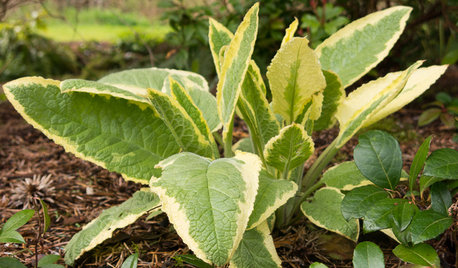
GARDENING GUIDESGreat Design Plant: Axminster Gold Comfrey for Sun or Shade
Plant this perennial for bold color that will light up shady spots, sparkle in the sun and add interest from spring until fall
Full Story
LANDSCAPE DESIGNGreat Design Plant: Sun-Loving Ninebark Puts on a Color Show
This tall, dark and handsome native shrub is equally at home in jeans and boots or in a suit and tie
Full Story
Sponsored
bossyvossy