

Do many Austins attract pests?
10 years ago
Featured Answer
Sort by:Oldest
Comments (9)
 10 years ago
 10 years ago
Related Professionals
Port Saint Lucie Landscape Architects & Landscape Designers · Houma Landscape Architects & Landscape Designers · Hartford Landscape Architects & Landscape Designers · Chico Landscape Architects & Landscape Designers · Baton Rouge Landscape Contractors · Spring Landscape Contractors · Victoria Landscape Contractors · Charlottesville Landscape Contractors · Gary Landscape Contractors · El Paso Landscape Contractors · Calgary Landscape Contractors · Tampa Home Builders · Alexandria Home Builders · Poplar Bluff Home Builders · College Station Home Builders- 10 years ago
- 10 years ago
 10 years ago
 10 years ago
- 10 years ago
 10 years ago
Related Stories
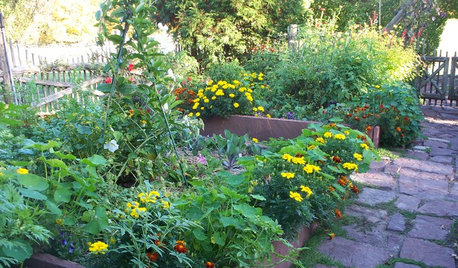
GARDENING GUIDESOrganic Matters: Thwart Insect Pests With Trap Crops
Add a few sacrificial plants to your garden to lure insects away from the harvest
Full Story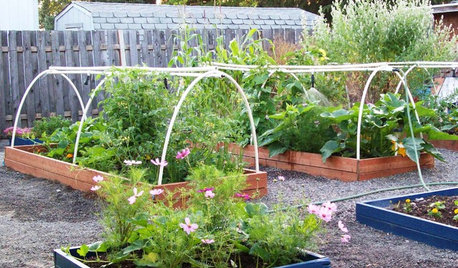
BENEFICIAL INSECTSAttract Pollinators for a Productive Edible Garden
You can lure bees, butterflies and birds into your yard with the right flowers and nesting spots
Full Story
GARDENING GUIDESThese Hummingbird-Attracting Native Plants May Surprise You
These flowers, vines and shrubs offer shelter and food supplies that keep hummingbirds around longer
Full Story
ARCHITECTUREWhat’s Fueling Austin’s Edgy Modern Architecture?
A look at the blossoming design scene in Texas’ capital city — and what’s behind all the experimentation
Full Story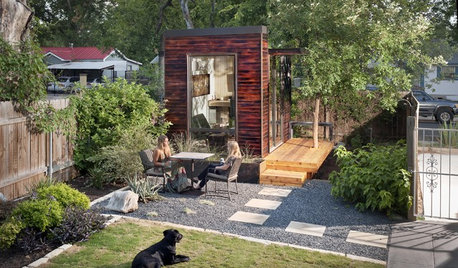
HOME OFFICESHouzz Tour: Ecofriendly Home-Office Shed in Austin
A new father finds work-life balance with a stylish home-office shed in the backyard
Full Story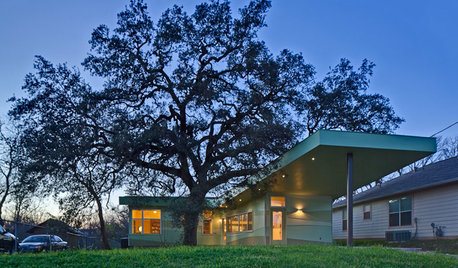
UNIVERSAL DESIGNHouzz Tour: Accessibility Meets Contemporary on an Austin Hilltop
Banish all thoughts of sterile schemes. This new build in Texas features universal design in warm, comfortable style
Full Story
LANDSCAPE DESIGNIn Austin, a Backyard Wall Provides More Than Privacy
Designers solve a common privacy problem — and create some unexpected play — with a clever screening solution
Full Story
ECLECTIC HOMESHouzz Tour: Problem Solving on a Sloped Lot in Austin
A tricky lot and a big oak tree make building a family’s new home a Texas-size adventure
Full Story
TRAVEL BY DESIGNTravel Guide: Austin, Texas, for Design Lovers
You'll find fantastic food along with incredible art and architecture in this capital city, deep in the heart of Texas
Full Story
HOUZZ TOURSMy Houzz: Austin Haven with Amazing Views
Natural materials, energy-efficient design and a screened-in porch take in a stunning hillside
Full Story


Rose Whisperer