

hood in the ceiling
10 years ago
Featured Answer
Sort by:Oldest
Comments (7)
 10 years ago
- 10 years ago
Related Professionals
Little Rock Kitchen & Bathroom Designers · Bloomington Kitchen & Bathroom Designers · Newark Kitchen & Bathroom Designers · Tucson Kitchen & Bathroom Designers · Bismarck Kitchen & Bathroom Designers · Savannah Bathroom Remodelers · Memphis Bathroom Remodelers · Plymouth Bathroom Remodelers · Scranton Bathroom Remodelers · Wausau Bathroom Remodelers · Southaven Kitchen Remodelers · Longview Kitchen Remodelers · Newburyport Kitchen Remodelers · Mission Viejo Kitchen Remodelers · Vancouver Kitchen Remodelers- 10 years ago
 10 years ago
- 10 years ago
- 10 years ago
Related Stories
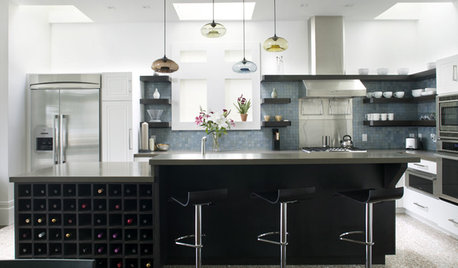

KITCHEN DESIGNHow to Choose the Right Hood Fan for Your Kitchen
Keep your kitchen clean and your home's air fresh by understanding all the options for ventilating via a hood fan
Full Story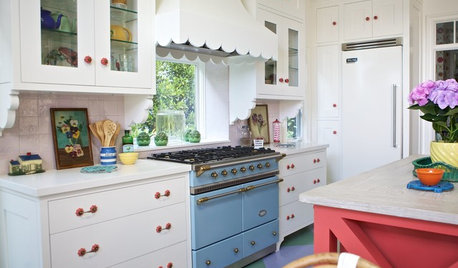
KITCHEN APPLIANCESThe Many Ways to Get Creative With Kitchen Hoods
Distinctive hood designs — in reclaimed barn wood, zinc, copper and more — are transforming the look of kitchens
Full Story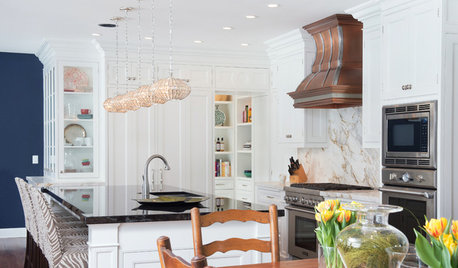
KITCHEN DESIGNWhat to Know When Choosing a Range Hood
Find out the types of kitchen range hoods available and the options for customized units
Full Story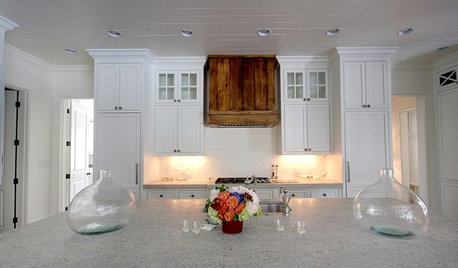
KITCHEN DESIGNWood Range Hoods Naturally Fit Kitchen Style
Bring warmth and beauty into the heart of your home with a range hood crafted from nature's bounty
Full Story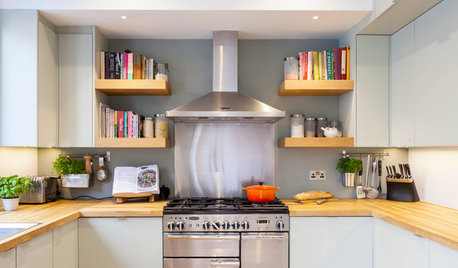
KITCHEN APPLIANCESWhat to Consider When Adding a Range Hood
Get to know the types, styles and why you may want to skip a hood altogether
Full Story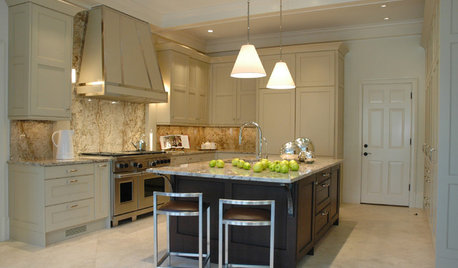
KITCHEN DESIGN8 Industrial-Luxe Kitchen Hood Styles
Make a Statement with Show-Stopping Metal Range Hoods
Full Story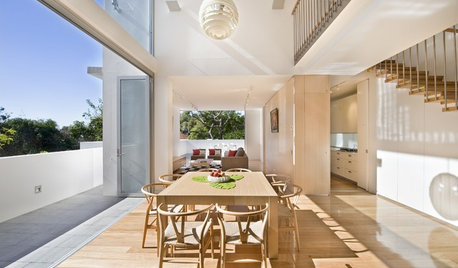
ARCHITECTUREAre Vaulted Ceilings Right for Your Next Home?
See the pros and cons of choosing soaring ceilings for rooms large and small
Full Story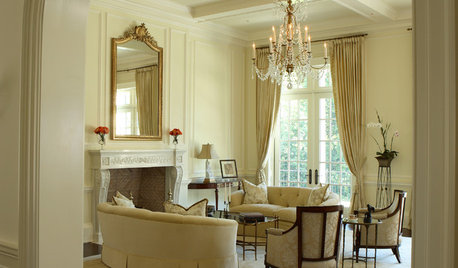
CEILINGSDesign Details: Cuckoo for Coffered Ceilings
Classic, Structural-Looking Ceiling Panels Set a Room Apart
Full Story
CEILINGSBreak Up a Bland Ceiling the Modern Way
Banish a boring drywall ceiling by using these techniques to create architectural interest
Full Story
kaseki