Software
Houzz Logo Print
nowyousedum

What is this?

10 years ago
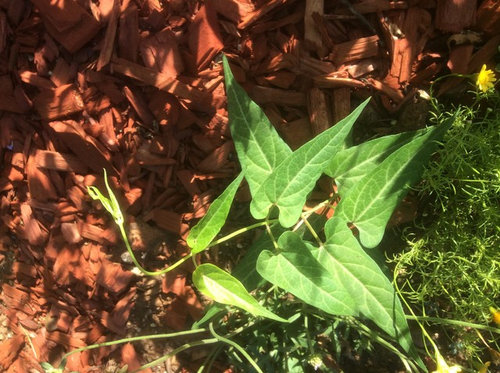
I thought this might be bindweed, but the leaves are more elongated. Can anyone identify this, please?

Comments (21)

  • 10 years ago

    I started to say I think it is, and then I thought about what I have growing, just like it. See it you think it is Honeyvine Milkweed

  • 10 years ago

    Thanks! It's outta here!

  • 10 years ago

    I wish we had that here. It is prettier than bindweed and I might let it stay around the garden's perimeter fence! Of course, it is easy for me to say that since it never once has appeared in our garden. I guess we are too far south or our soil is too alkline for it or something.

  • 10 years ago

    Our lawn desperately needs to be mowed, and it is standing 2 feet above everything else. I suppose we keep it mown most of the time, except along the fence.

  • 10 years ago

    I have that *bleep* in my yard. It will take over everything if you let it. Seems to be worse in drier years for me. I Roundup it every year, and every year it sneaks back in. Not as insidious as the Bermuda, but more stealth.

  • 10 years ago

    But it is prettier than Bermuda! I'm sure that if I actually had it here, I wouldn't want it, but I do have a peculiar fondness for some invasive plants. So many desirable plants struggle to survive here in the drought years that anything that can survive drought is welcome. This explains why we have a forest of four o'clocks growing in the sandy soil west of the garden, between the garden fence and the big pecan tree that shades its' west end. They are better than some of the weedy plants like bindweed , ragweed and greenbrier that used to grow there. I had to dig down 12-18" to dig up as much of the greenbrier as I could, and it still pops up in some places where I can't dig it out without damaging perennials. Bindweed is the invasive weed I fight the most as new plants pop up almost faster than I can pull them out.

  • 10 years ago

    UGH I HATE that stuff! Same as Rebecca....we have tried everything to kill it and it comes back!

  • 10 years ago

    pretend you are growing it for the monarchs...then you don't feel so bad that you can't kill it! It is in the milkweed family.


  • 10 years ago

    That's a great point and a geat way to turn a negative into a positive.

  • 10 years ago
    last modified: 10 years ago

    Frankly I don't think there is a chain link fence where it doesn't grow in the whole state (except maybe where Okiedawn lives) but it loves shrubs too, it likes to encase them in twinning loveliness. The thing is, when people talk about the serious shortage of milkweed for monarchs I always think of this prolific common vine and wonder how is that even possible? You cannot get rid of it and I always see the seeds floating about in late summer and fall as they spread far and wide in the wind looking for other chain link fences. We used to pick the pods and take out all the silky seeds, they make great boats and other things and the place we always found them was where else? On chain link fences.

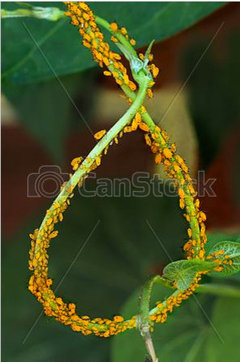
    And just like any milkweed, aphids just love them. I've never seen one yet that didn't have every stem maggoty with yellow aphids.

  • 10 years ago

    That crap killed a mature rosebush, split peony branches from the bush, and is a general nuisance for me. And don't bother trying to kill it, 5 more come to the funeral.

  • 10 years ago

    Just think of it as Okie Kudzu.

  • 10 years ago

    Just read this thread and it made me laugh. This plant is HATED around here.

  • 10 years ago
    last modified: 10 years ago

    Farmers and ranchers 'love' it too. The only positive thing is we can all rest assured the monarchs passing through Oklahoma are well supplied with milkweed. I've felt guilt-free on this issue for some time now since I don't like growing milk weed in spite of the 'Got Milkweed' promotion. I don't like seeing denuded plants eaten down to the nubbins that are also covered in aphids every year. Call me shallow but I really can't abide it. I only provide flowers because I figure the little guys can find plenty of milkweed vine to chomp away on and thats just whats invaded my own little neighborhood.

  • 10 years ago

    Dig one up. See if it has a little potato looking thing.

  • 10 years ago

    Plantemunn, are you trying to verify an ID?

    If its Honey Vine Milkweed good luck digging the root up because they grow six feet deep, I just googled it to see what the roots look like and read that. The biggest problem is, you usually don't notice you have it invading a shrub until its growing out the top and well established, they are sneaky things.

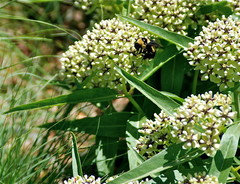
    Honey Vine Milkweed, this is how they always look when I see them.

  • 10 years ago

    texasranger, I feel really left out. I'm going to assume maybe the honeyvine plants don't like our highly alkaline soil or something because I've never seen one here in our county, and with all the wildfires I go to, I've been all over the county, although not necessarily at a time when I can stand around and look at the plants. Our soil pH tends to run around 8.0-8.2 and our water is highly alkaline as well.

    Those images of the aphids are stunning. I don't have many aphids here at all, and never in numbers like that.

    Dawn

  • 10 years ago

    My sister has a milkweed plant covered in aphids just like that. And she's in town, in Edmond. It's crazy.

  • 10 years ago
    last modified: 10 years ago

    hazel, I'm in OKC. I don't get many aphids because most of the natives aren't prone to getting them but oddly I've had them all over my Silver King Artemisia the last two springs. It doesn't seem like the kind of plant that would get them so I found it odd. Valerie Finnis Artemisia, Prowis Castle and the native sages like Sand Sage & Fringed Sage don't get them. The Silver King also got covered in lady bugs so it works out except the plants were deformed. I quit growing Butterfly Weed about 5 years ago because I got tired of looking at aphid infested plants. I've had two types of milkweed that don't get aphids. One was an Arizona Milkweed I bought from Bustani's but its not winter hardy, sure wish it was because I really liked the looks of it and Antelope Horns Milkweed. I wish the Antelope Horns would put out seed but it never has. I may have to break down and buy some.

    Here is a picture of Antelope Horns, it blooms in early spring attracting all kinds of pollinators but thats the only time.

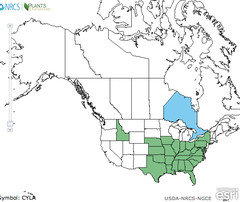
    Okiedawn, it must be the soil. I just googled it to see if its native that far south. It is. Looks like it covers the whole Central, SE & NE United States. Thats a lot of milkweed folks. The monarchs should be happy even if no one else is.


  • 10 years ago

    TR, It's not the only plant that dislikes alkaline soil. lol. So, we grow the ones that tolerate alkaline clay and don't worry about the others. We have tons of antelope's horns or green milkweed all over our county (I can't tell one from another, though I am sure there must be some way to tell them apart) and not a whole lot of the orange butterfly weed, though I'll see one here or there in areas with sandier soil.

    The antelope's horn and/or green milkweed simply fill some of the nearby cow pastures (the ones that never are sprayed with broadleaf weedkillers) and seem highly invasive in them, but at our place, we only have a handful scattered around. I've never seen aphids on any milkweeds here. Hmmm. I am starting to think we have an aphid shortage, though it is more likely we have predators that eat them. Right now the milkweeds (or the last time I paid attention to them) have open seed pods sending out the the fluffy white stuff that carries the seeds on the wind. They've been that way for about a month now, having bloomed early. If you want me to sneak into the neighbor's pasture and gather seed for you, just PM me your address through HOUZZ and I'll mail whatever seeds I can find to you. Hopefully they still have seeds in the pods because I've been canning tomatoes and pickles like a demented gardener who grows too much for the last month, and I may have missed the prime seed-gathering period.


    Dawn

Sponsored
Bella Casa LLC
Average rating: 5 out of 5 stars17 Reviews
The Leading Interior Design Studio in Franklin County